Peptide Calculator: Reconstitution & Dosage
Use this free peptide reconstitution and dosage calculator to convert a lyophilized vial amount and bacteriostatic water volume into an exact concentration, then translate your protocol dose and schedule into U-100 syringe units, draw volume (mL), full doses per vial, and multi-week vial supply.
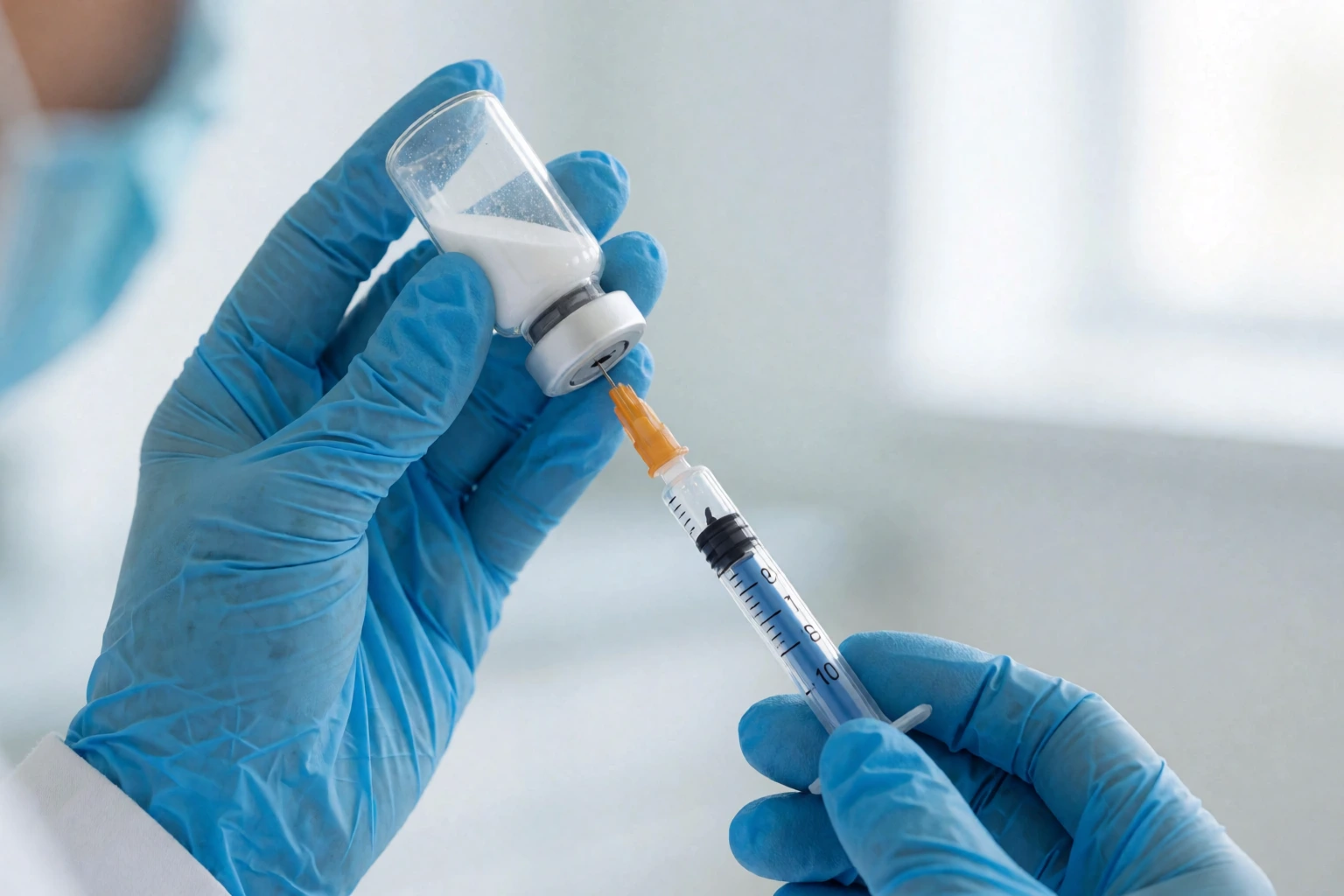 U-100 Scale · 100 Units = 1.0 mL
Peptide Reconstitution & Dosage Calculator
Convert a lyophilized peptide vial amount and bacteriostatic water volume into a reconstitution concentration, then translate your protocol dose and schedule into exact U-100 syringe units and multi-week vial supplies.
Reconstitution
Enter the peptide amount in the vial and the volume of bacteriostatic or sterile water you plan to add.
Concentration
How much peptide each mL of solution contains after mixing.
5 mg/mL
Your Dose & Schedule
Enter the dose from your protocol, select your dosing schedule, and pick the insulin syringe you are using.
100-unit (1 mL): marks every 2 units. Standard barrel for draws up to 100 units.
Your Draw & Reconstitution Plan
✓ Aligns cleanly on graduation markDraw to
Pull plunger seal to line 5
Volume
0.05 mL
Delivers 250 mcg
Doses per vial
20
Lasts 20 days (Once daily)
4-Week Schedule Supply
2 vials
28 doses · 2.0 mL BAC water
How to Reconstitute for Your Dosage Schedule
Once Daily- 1Equilibrate & Sanitize: Remove your 5 mg vial from freezer storage and allow it to equilibrate at room temperature for 15–20 minutes. Swab both stoppers with 70% isopropyl alcohol.
- 2Draw & Inject Diluent Down Wall: Draw 1.0 mL (100 units) of bacteriostatic water and inject slowly down the inside glass wall at a 45° angle to prevent foaming.
- 3Swirl Gently & Refrigerate: Gently swirl or roll until dissolved (do not shake). Your concentration is 5 mg/mL (50 mcg/unit). Label and refrigerate at 2–8 °C.
- 4Draw Your Scheduled Dose: For each 250 mcg injection, pull the plunger to 5 units (0.05 mL) on your U-100 syringe.
Supplies Needed by Schedule Duration
5 mg vial · 250 mcg/dose| Duration | Total Peptide | Vials Required | U-100 Syringes | BAC Water |
|---|
For educational and research calculations only. Always confirm calculations independently before use.
Interactive Peptide Reconstitution Simulator
Step through the five laboratory stages of reconstituting a lyophilized peptide vial and verify each technique checkpoint.
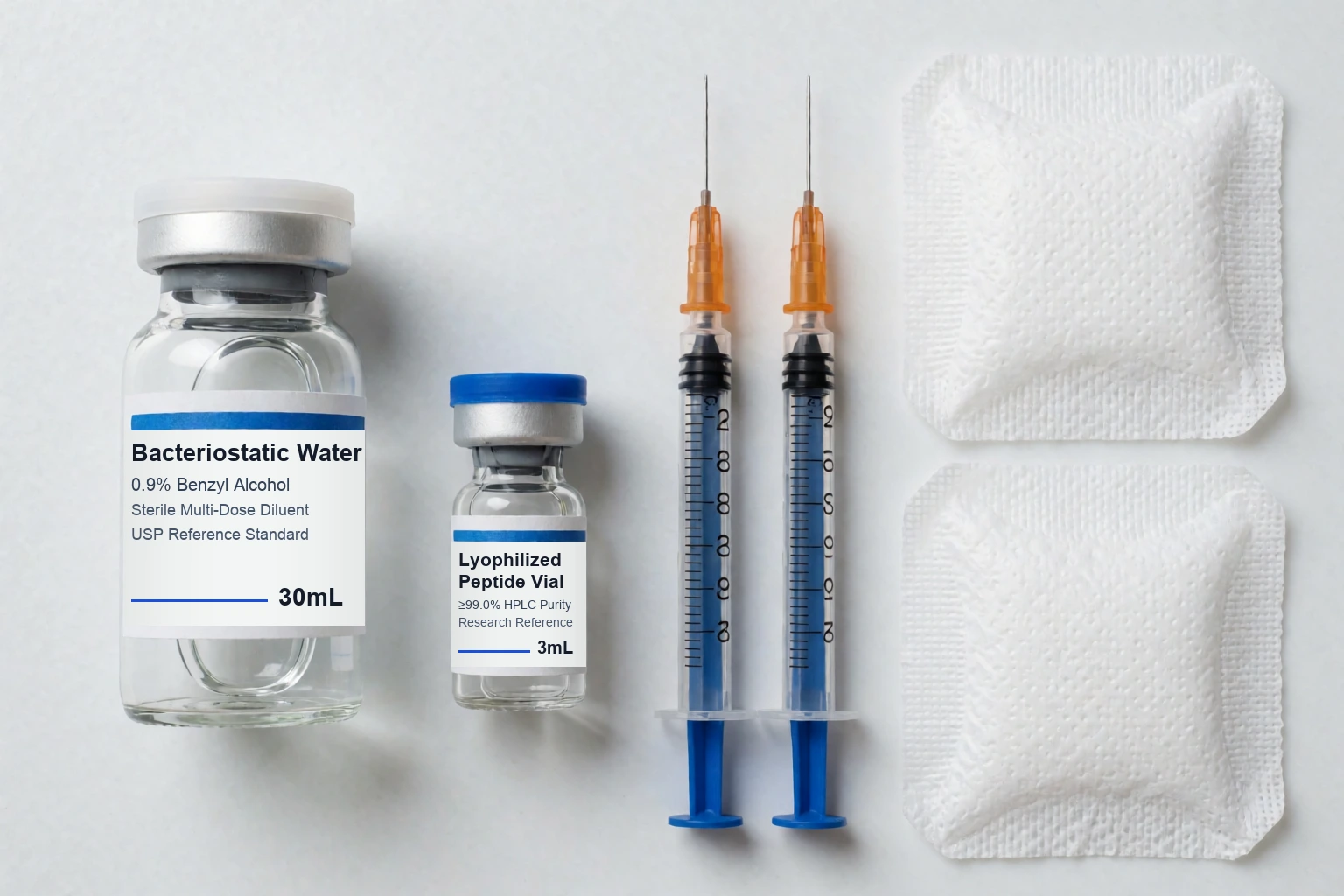 Step 01 · Preparation
Stage 1 of 5 · Preparation
Equilibrate Vial & Inspect Supplies
Remove the lyophilized peptide vial from freezer storage (−20 °C / −4 °F) and let it equilibrate at room temperature for 15–20 minutes before piercing the stopper.
Technique Check: Why allow a frozen lyophilized vial to reach room temperature before adding diluent?
U-100 Syringe Barrel & Graduation Comparison
All three U-100 barrels use the exact same unit scale (100 units = 1.0 mL, so 10 units = 0.10 mL on every barrel). Choosing a smaller barrel widens the physical distance between tick marks, improving accuracy for low-volume draws.[8,9]
| Syringe Barrel | Max Volume | Minor Tick | Major Line | Best Draw Range |
|---|---|---|---|---|
| 30-Unit U-100 | 0.30 mL | 0.5 or 1 unit | Every 5 units | Micro-draws (2 to 25 units) |
| 50-Unit U-100 | 0.50 mL | 1 unit | Every 5 or 10 units | Standard draws (5 to 45 units) |
| 100-Unit U-100 | 1.00 mL | 2 units | Every 10 units | Larger draws (10 to 100 units) & BAC water |
Accuracy Limits on Small Draws: Hospital pharmacy studies demonstrate that measurement error increases significantly when a drawn volume is less than 20% of the syringe’s total capacity or near the 1-unit mark.[9,10] When your calculated draw is under 6 units, either use a 30-unit (0.3 mL) barrel or increase the bacteriostatic water volume during reconstitution so each dose measures 10–20 units.
5 mg Vial Reconstituted With 2 mL Water
How the four dosage equations connect vial mass, diluent volume, and syringe units:
- 1. Concentration = 5 mg ÷ 2 mL = 2.5 mg/mL2.5 mg/mL equals 2,500 mcg per mL. Because 1 U-100 unit is 0.01 mL, each unit holds 25 mcg.
- 2. Target Dose = 250 mcg ÷ 1,000 = 0.25 mgConvert micrograms to milligrams by dividing by 1,000.
- 3. Volume to Draw = 0.25 mg ÷ 2.5 mg/mL = 0.10 mLDivide target dose by concentration to find the liquid volume per injection.
- 4. Syringe Units = 0.10 mL × 100 = 10 UnitsPull the plunger seal to the 10-unit line on any U-100 syringe. The 5 mg vial provides 20 full doses.
With 1 mL of water, concentration doubles to 5 mg/mL and the same 250 mcg dose equals 5 units. With 3 mL, concentration is 1.67 mg/mL and the draw is 15 units.
Complete Reference Index · 113 Protocols
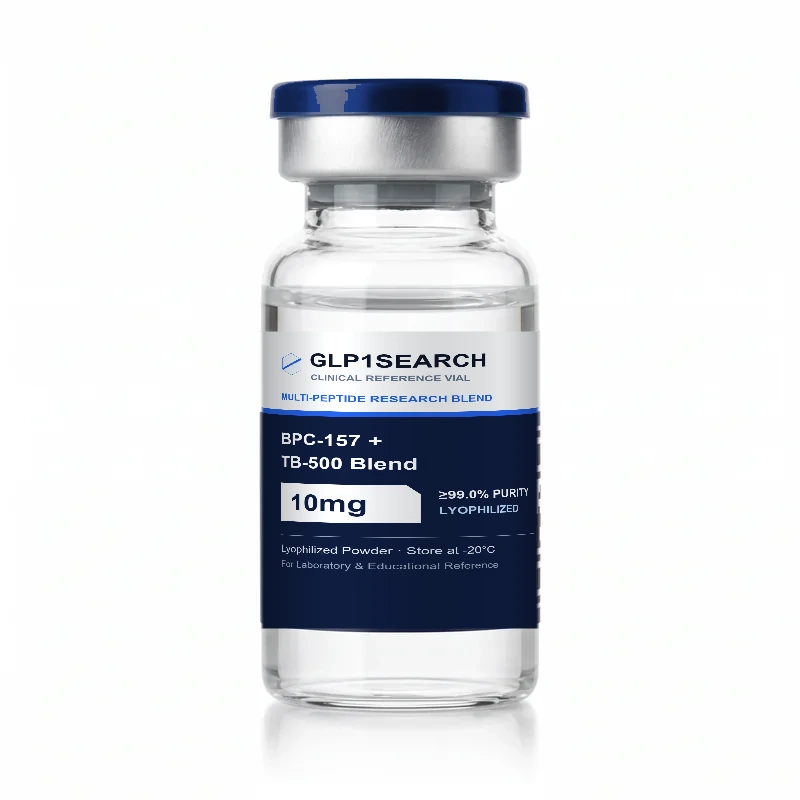
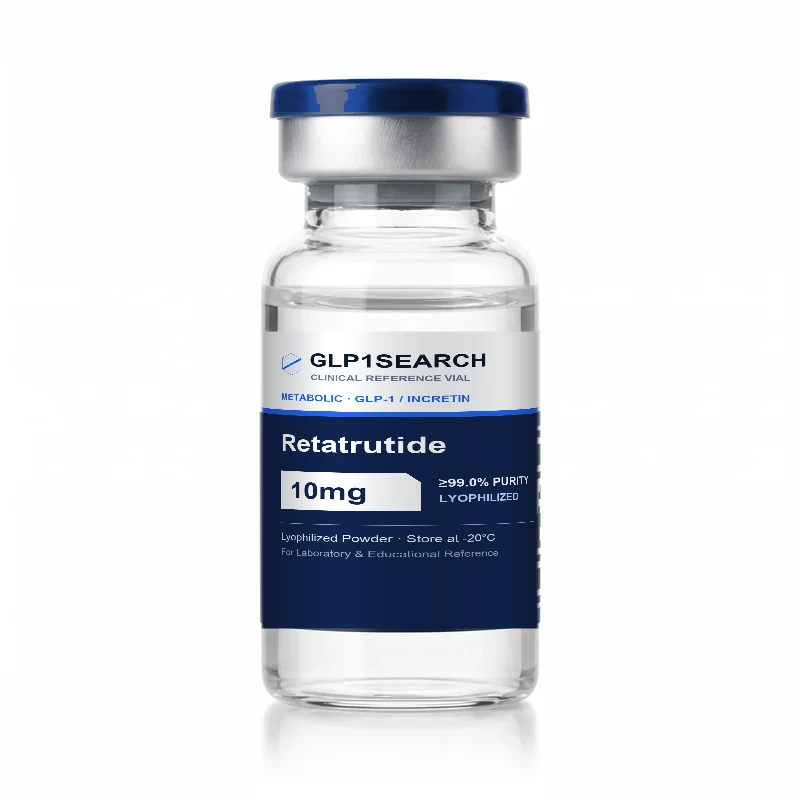
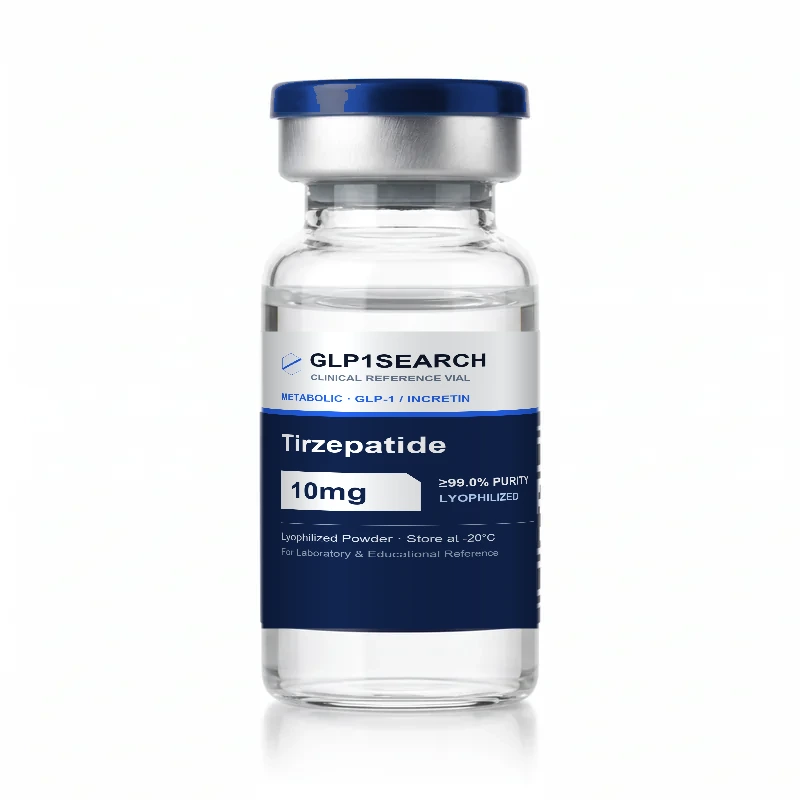
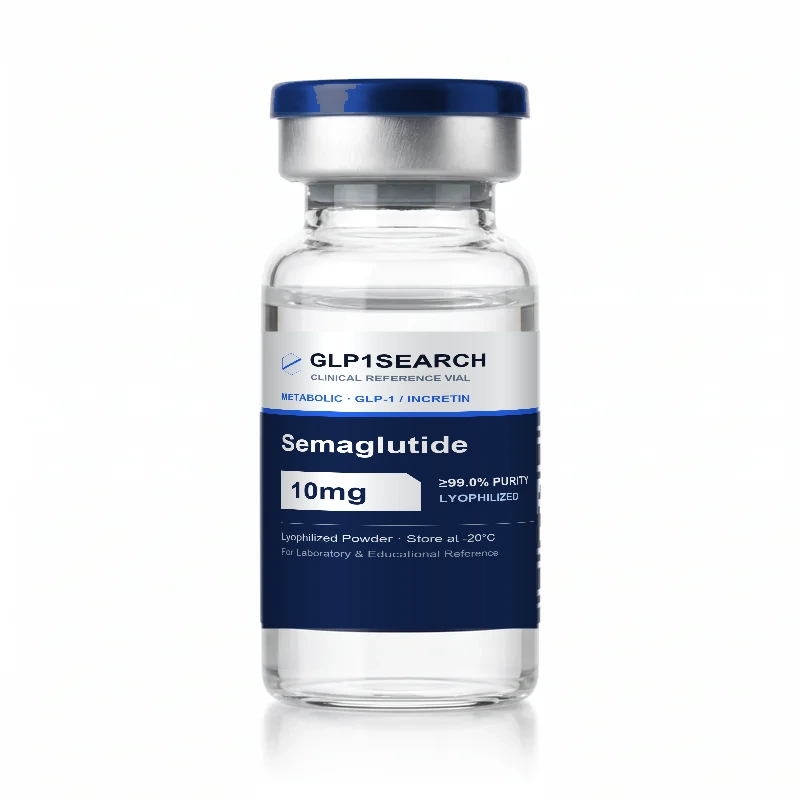
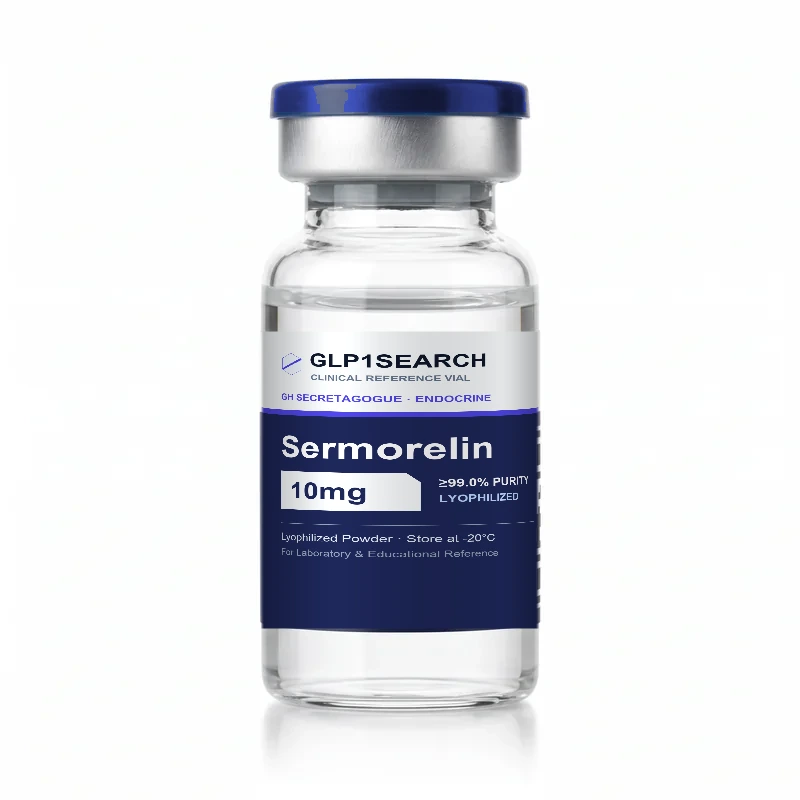
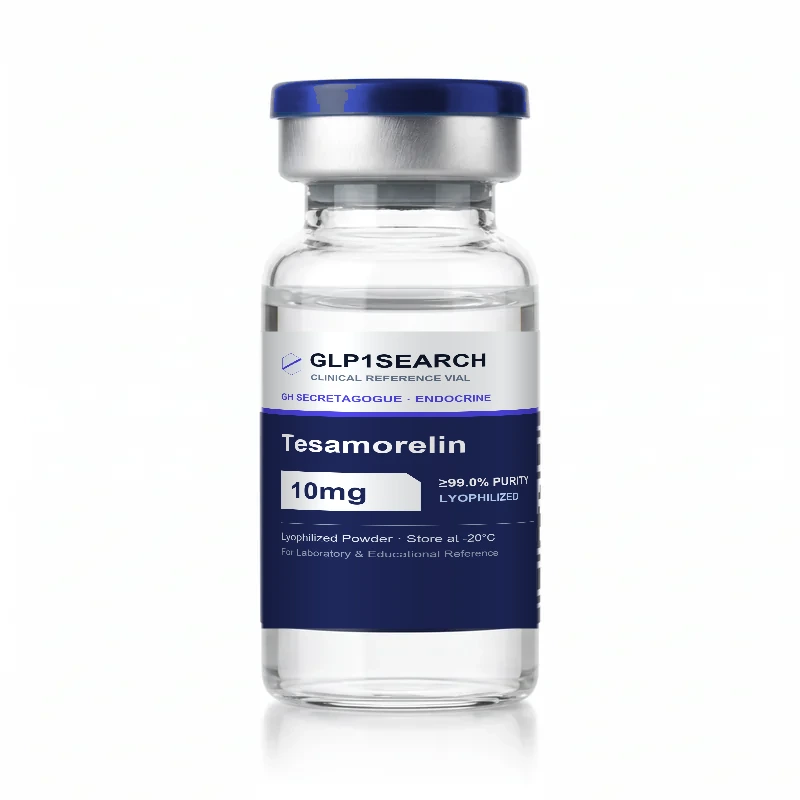
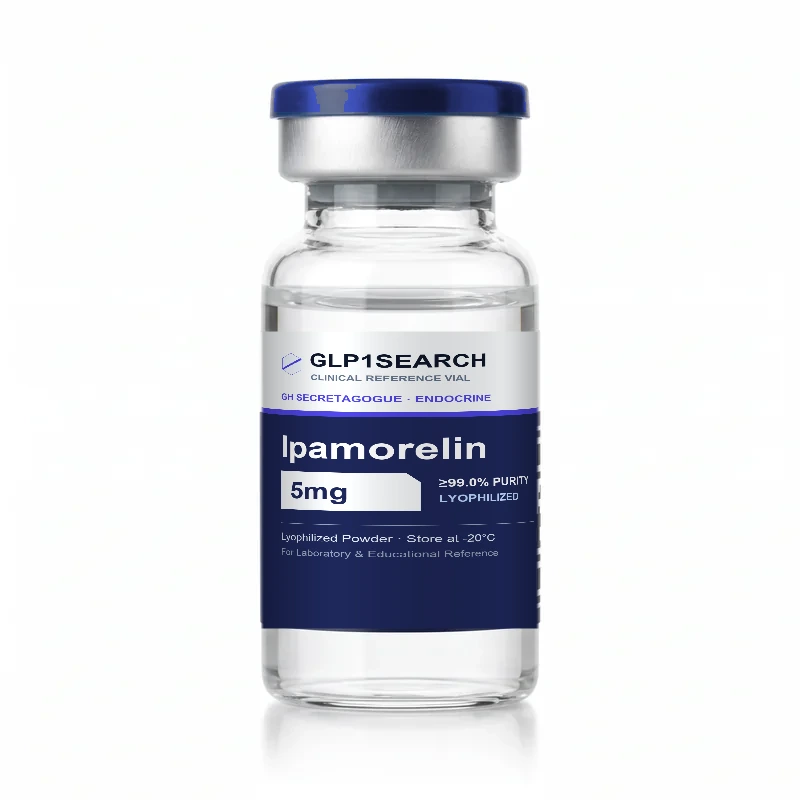
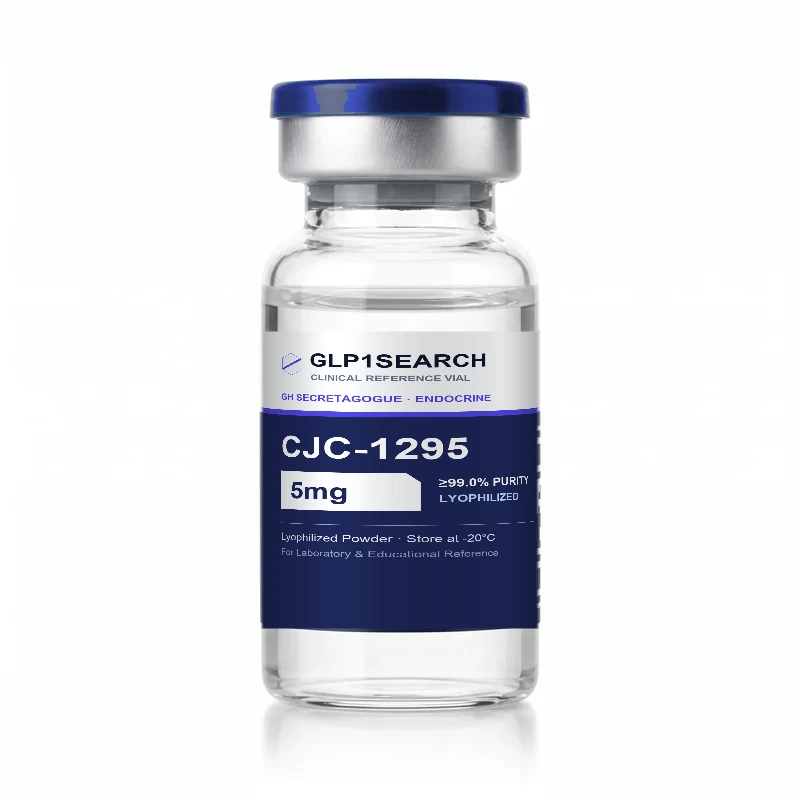
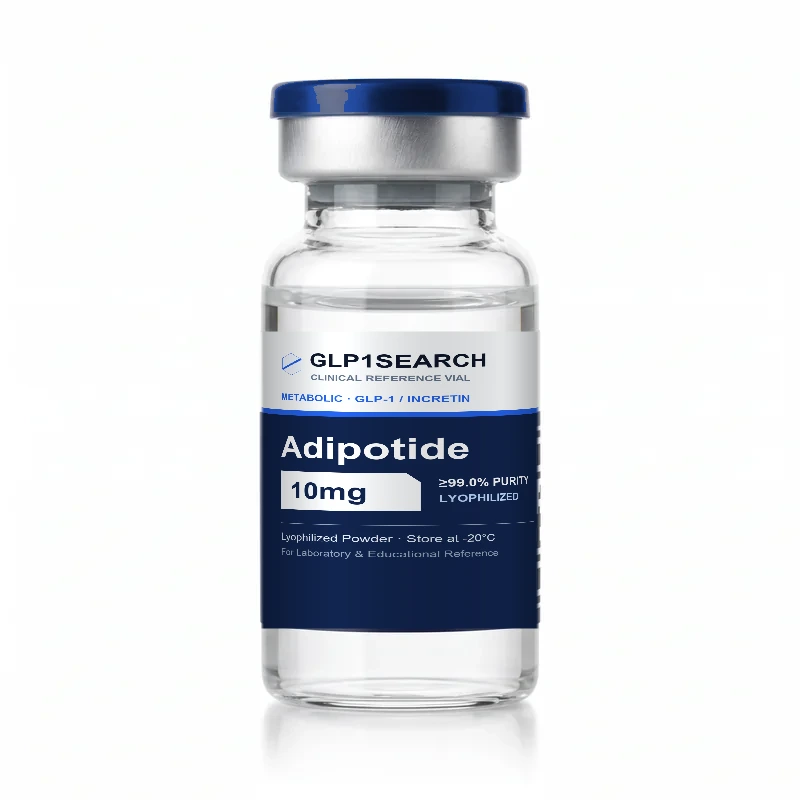
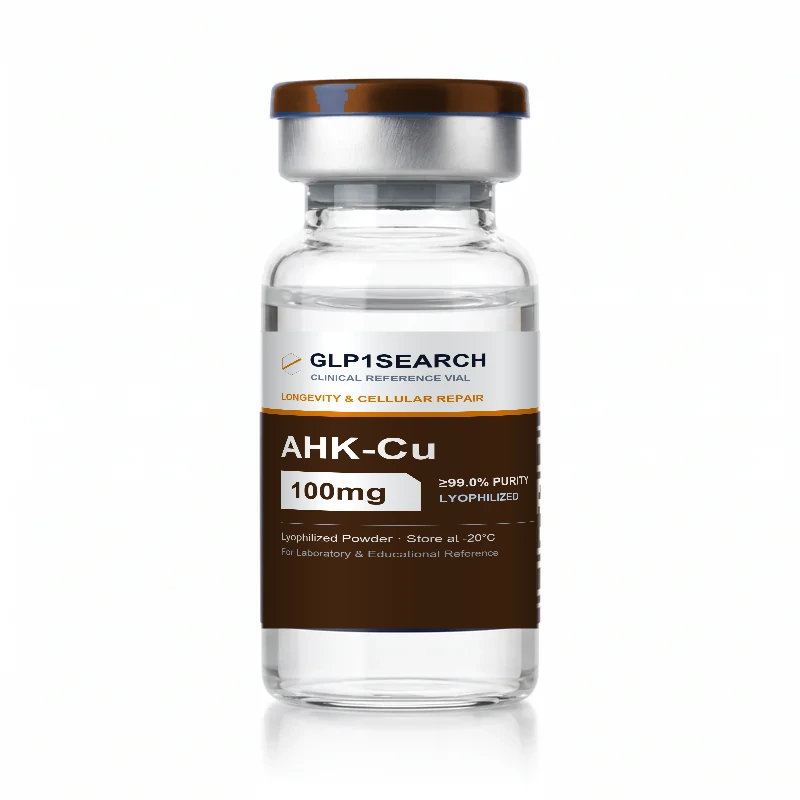
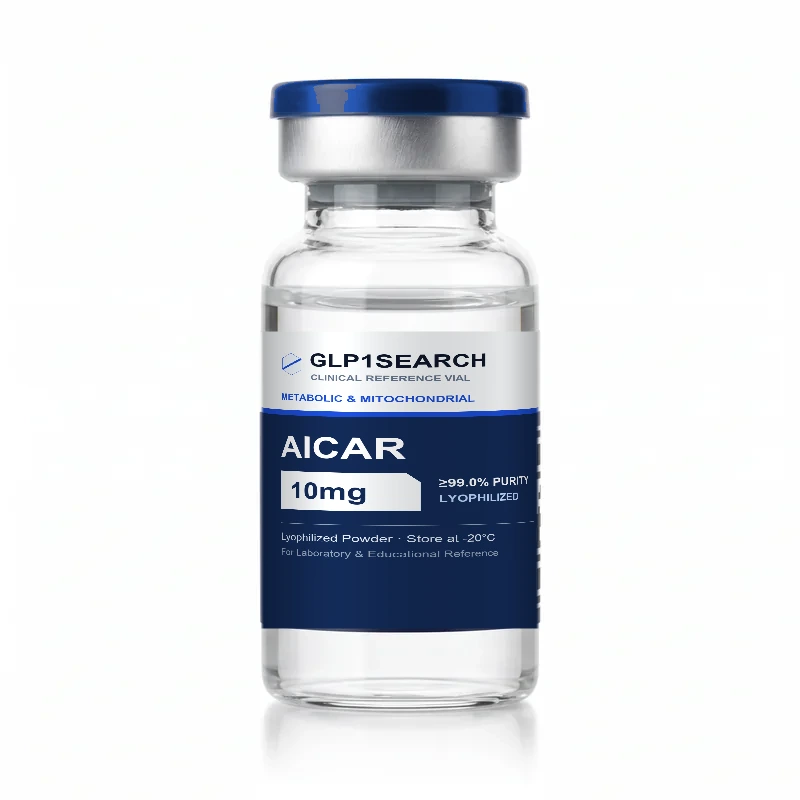
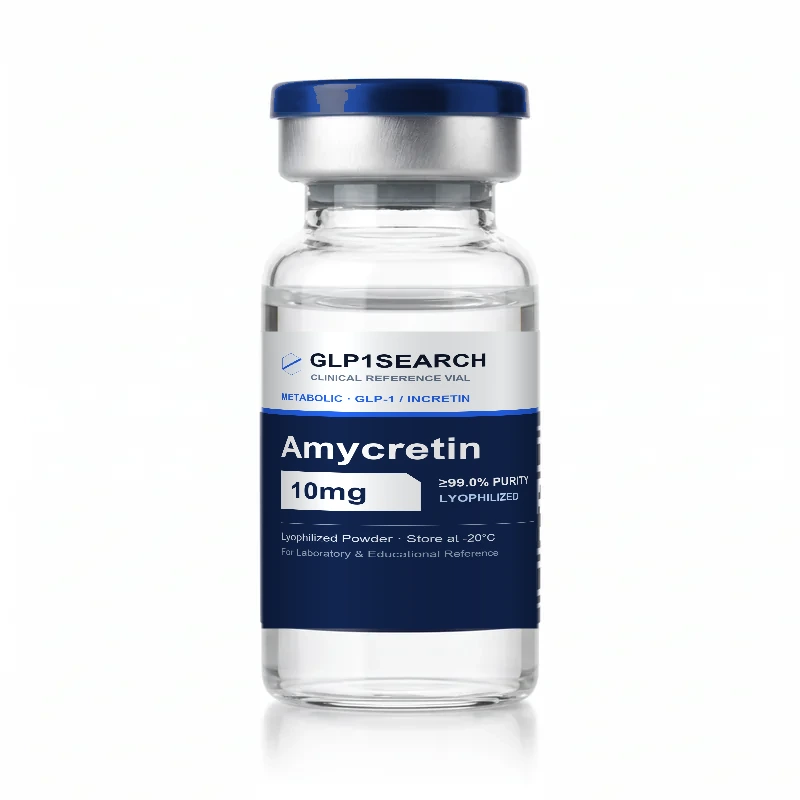
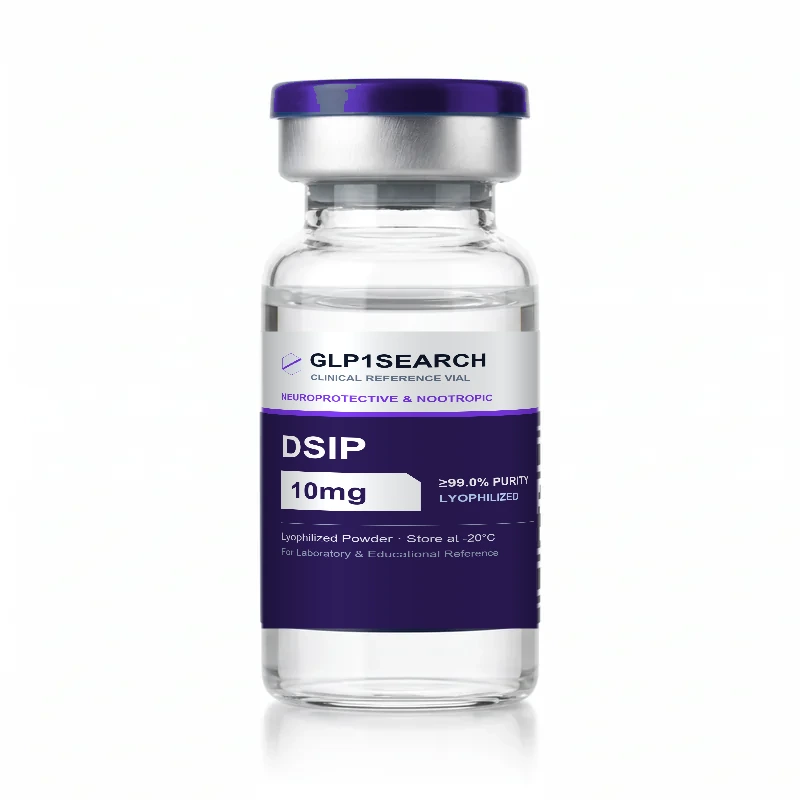
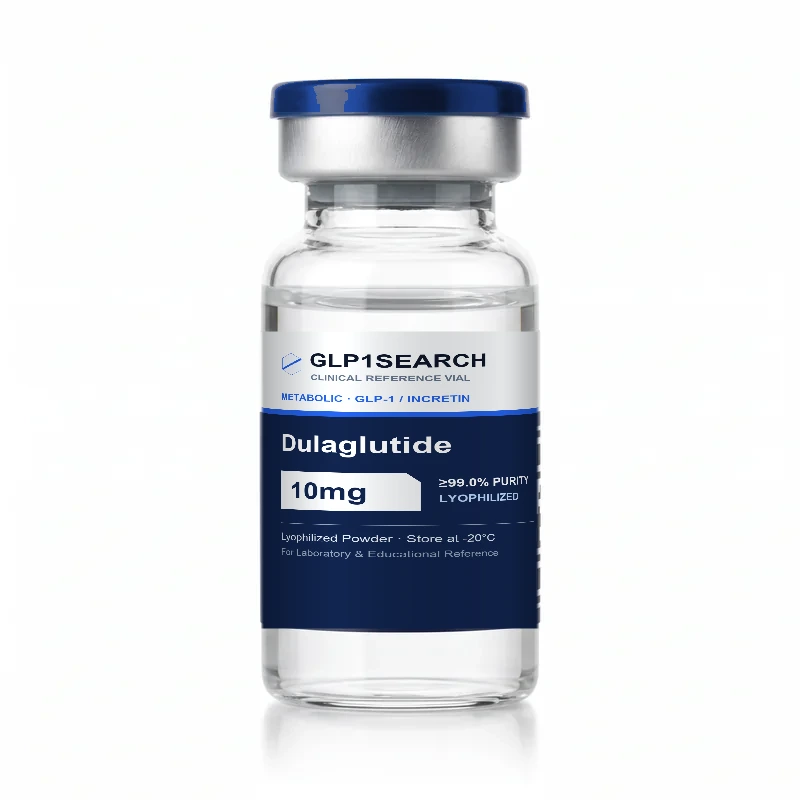
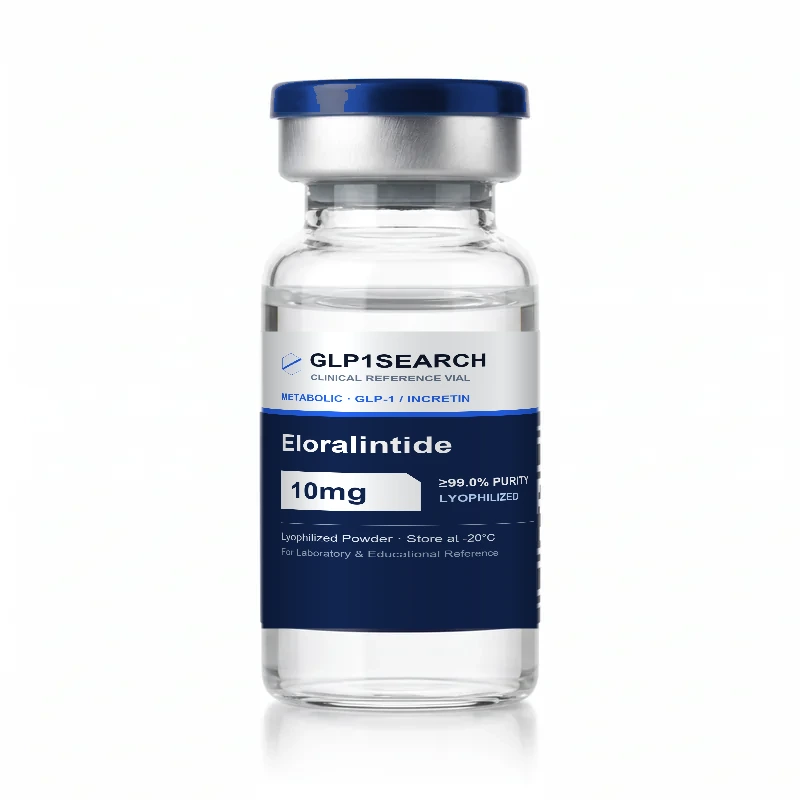
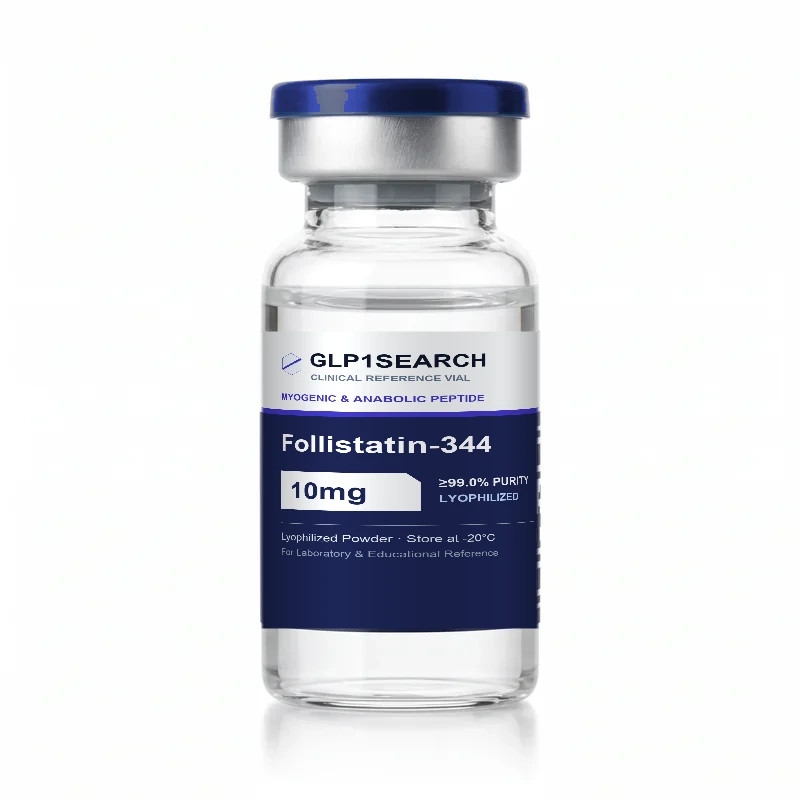
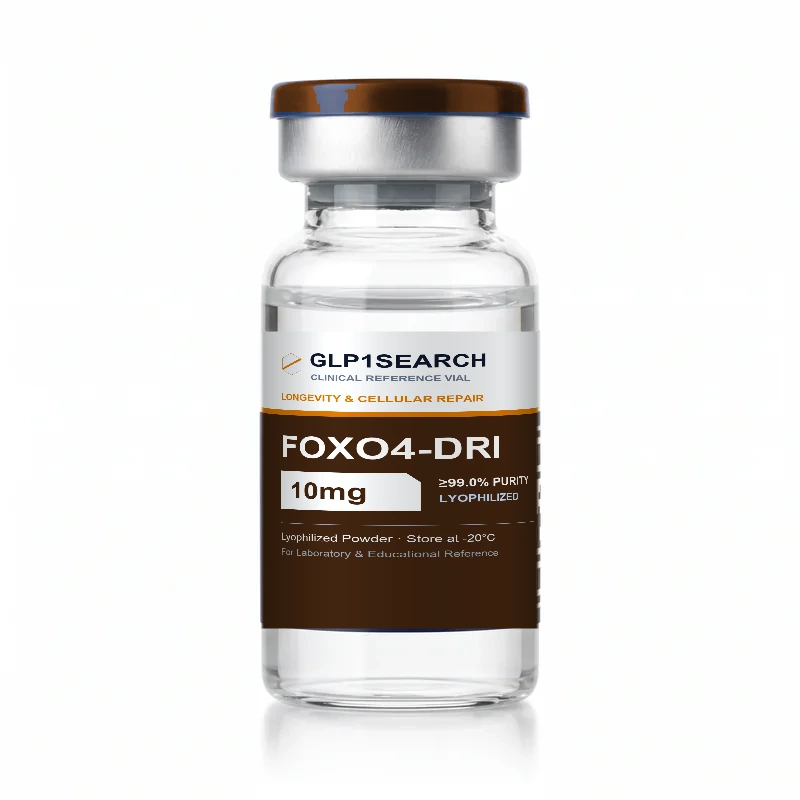
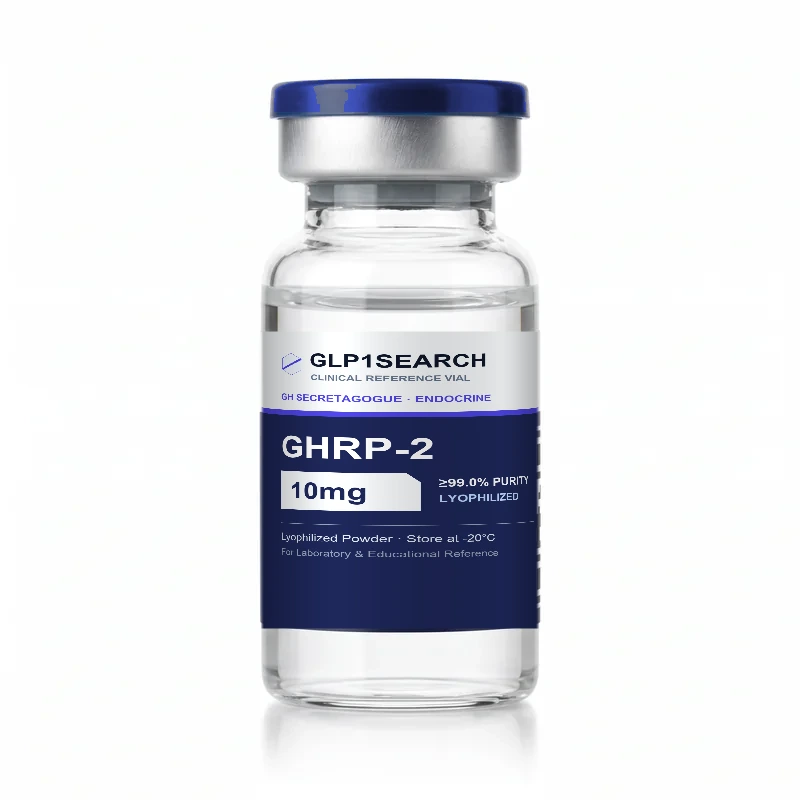
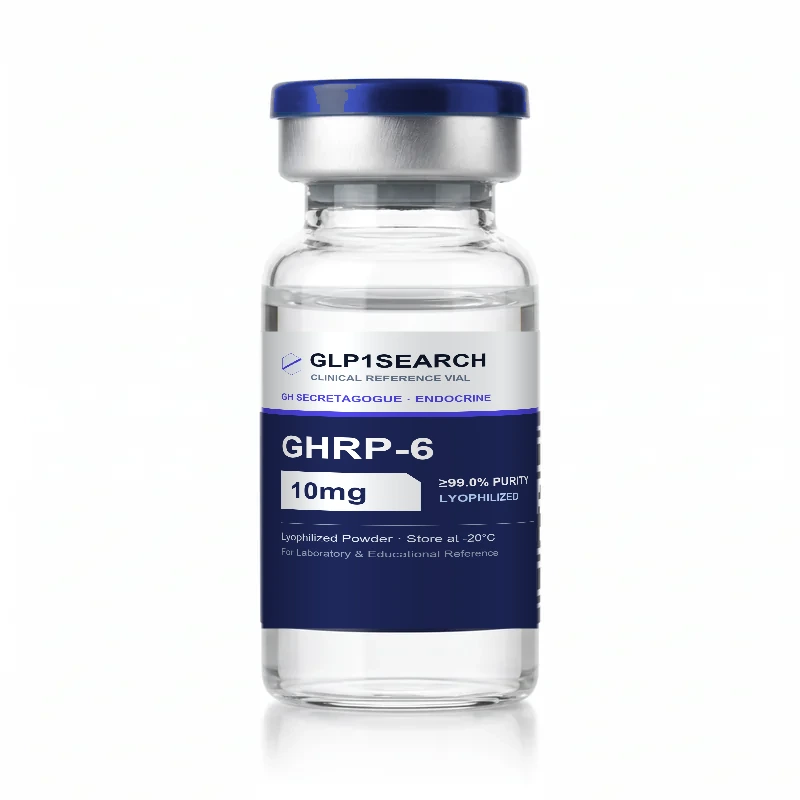
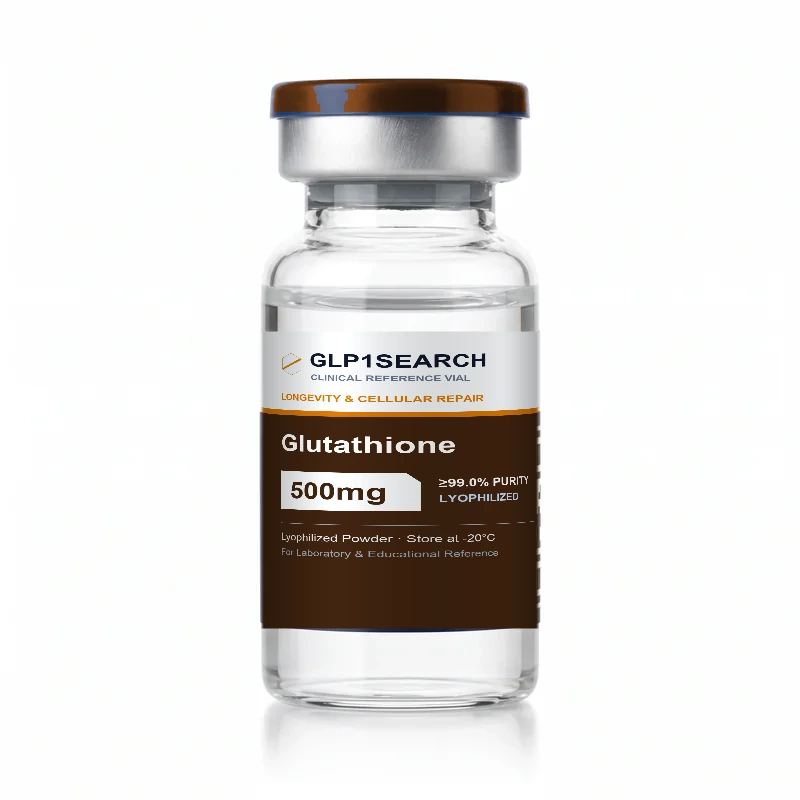
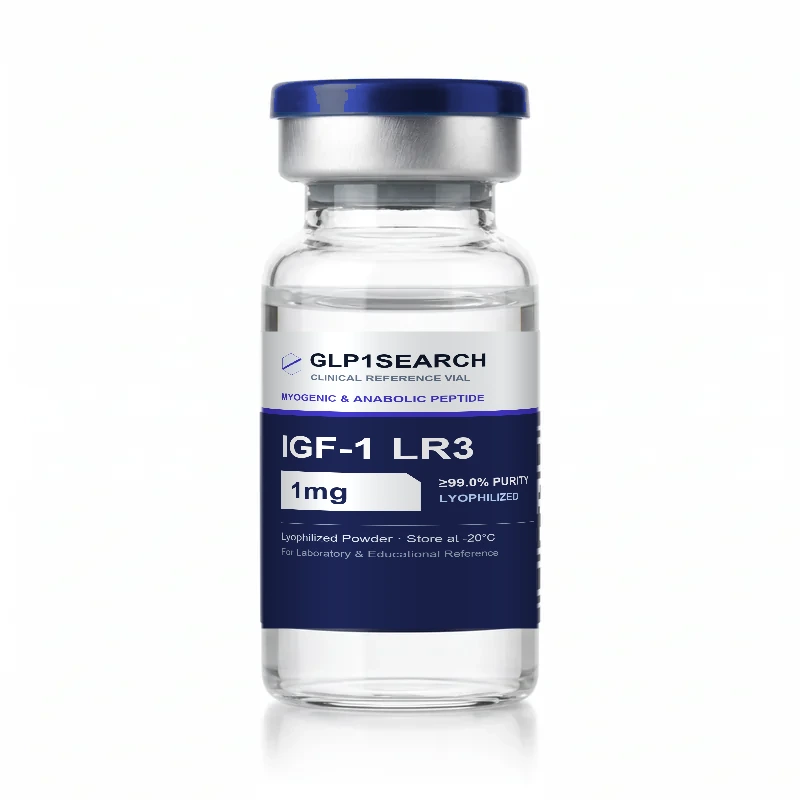
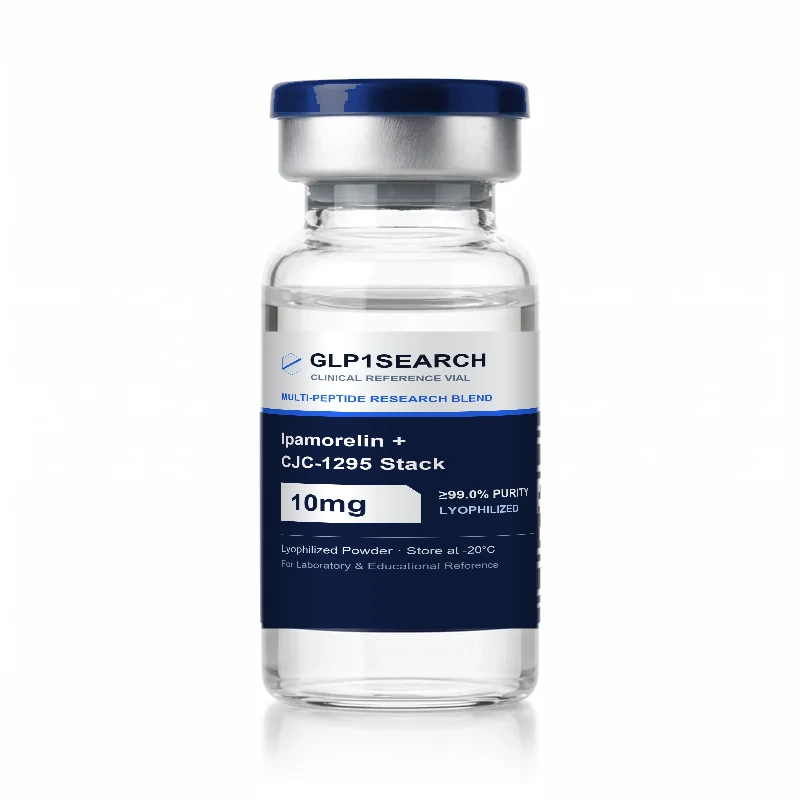
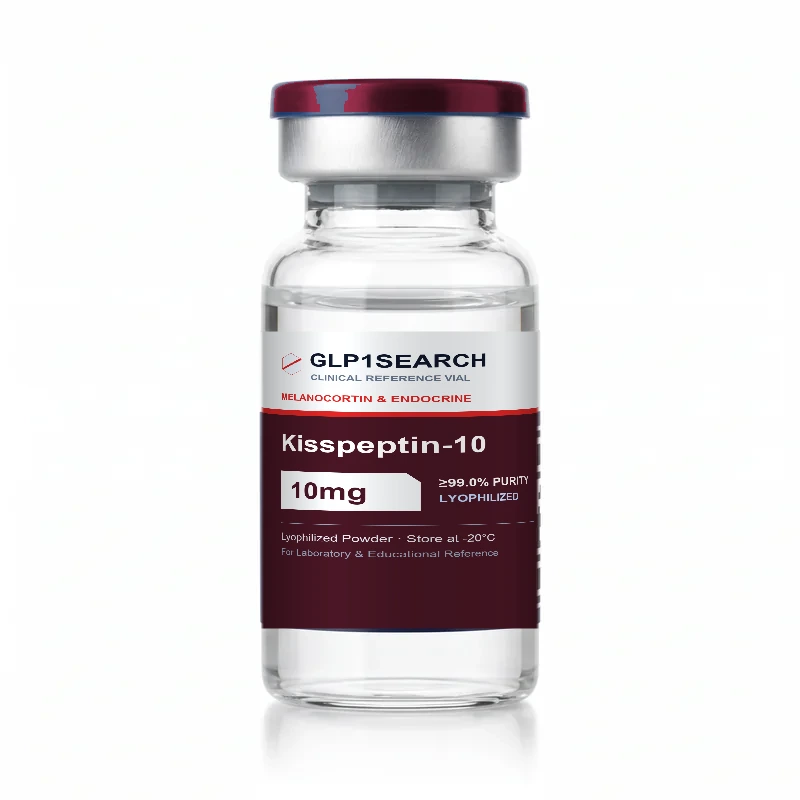
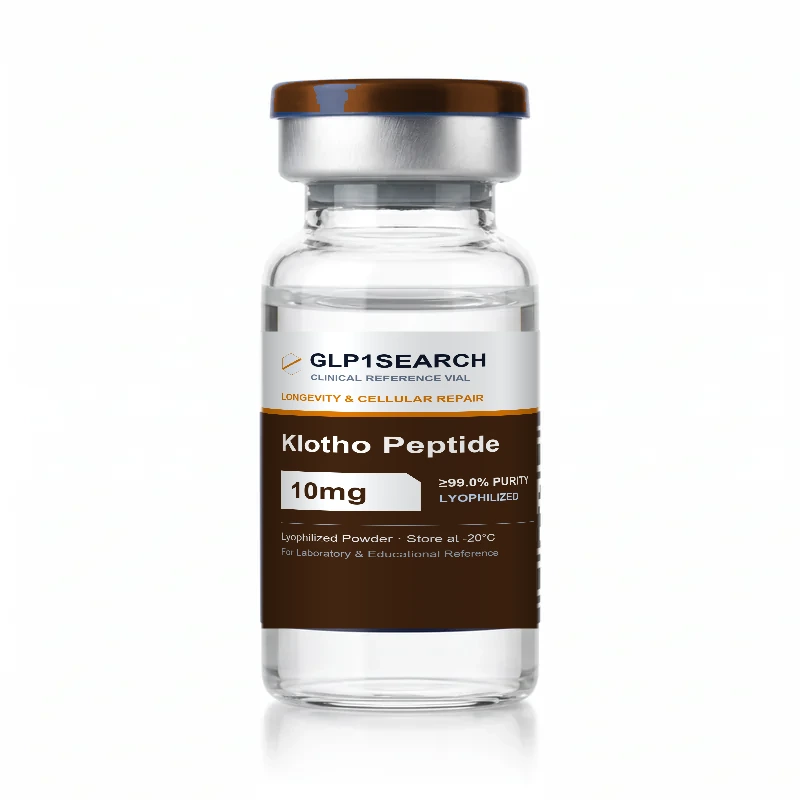
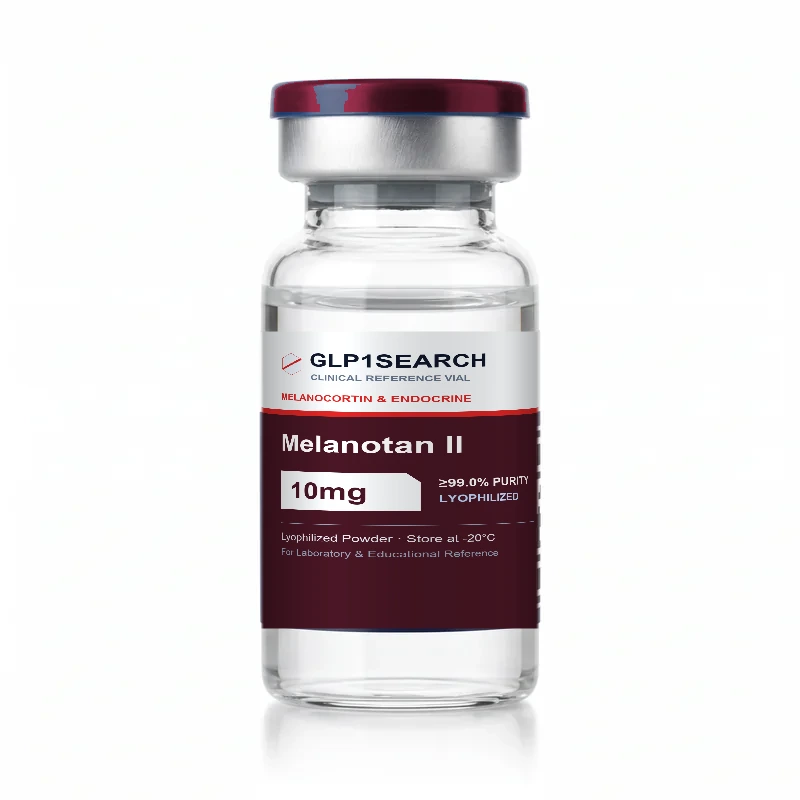
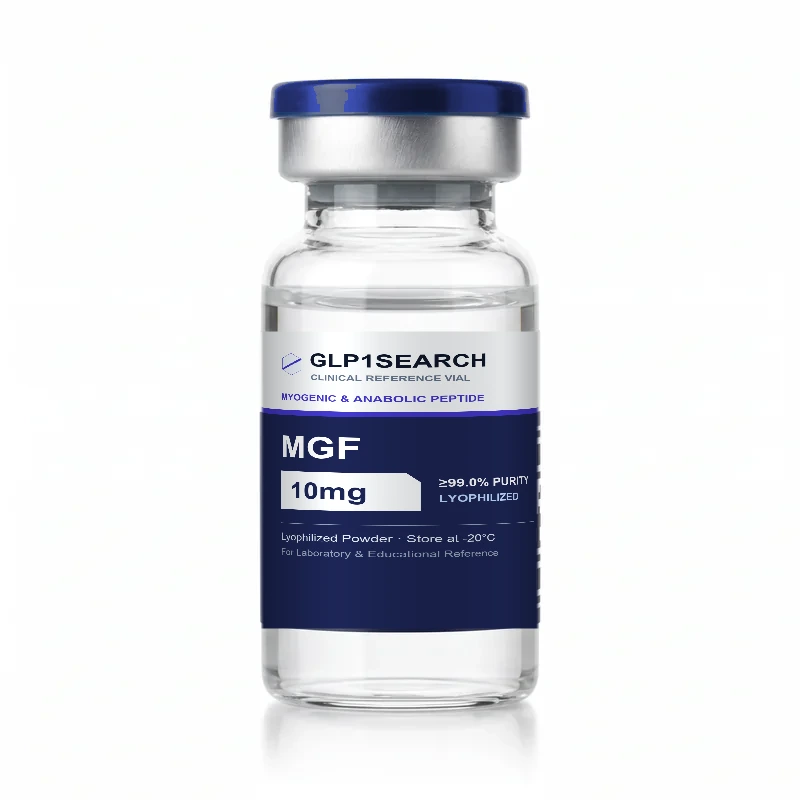
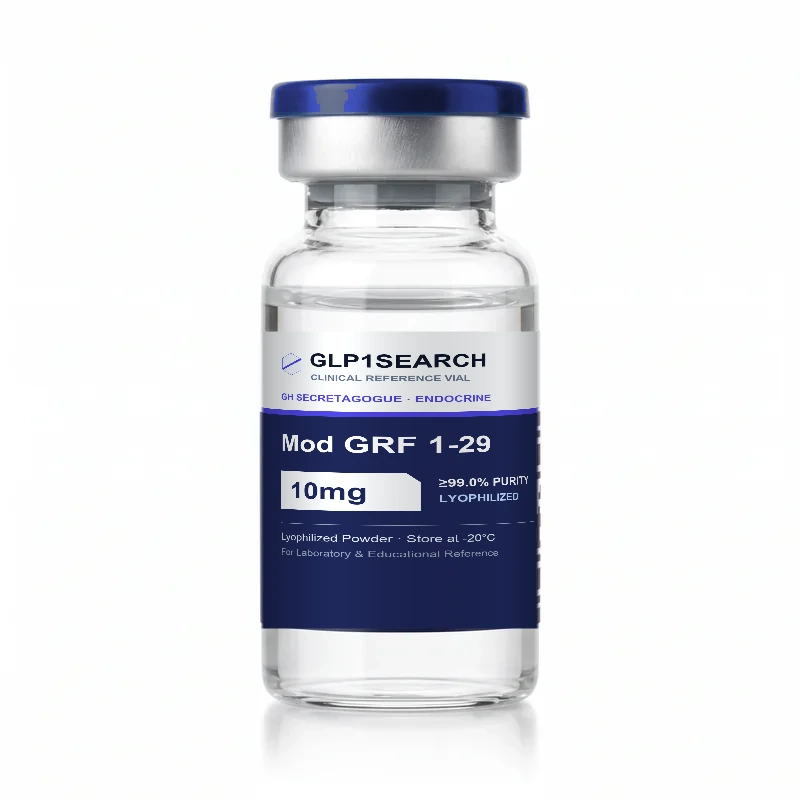
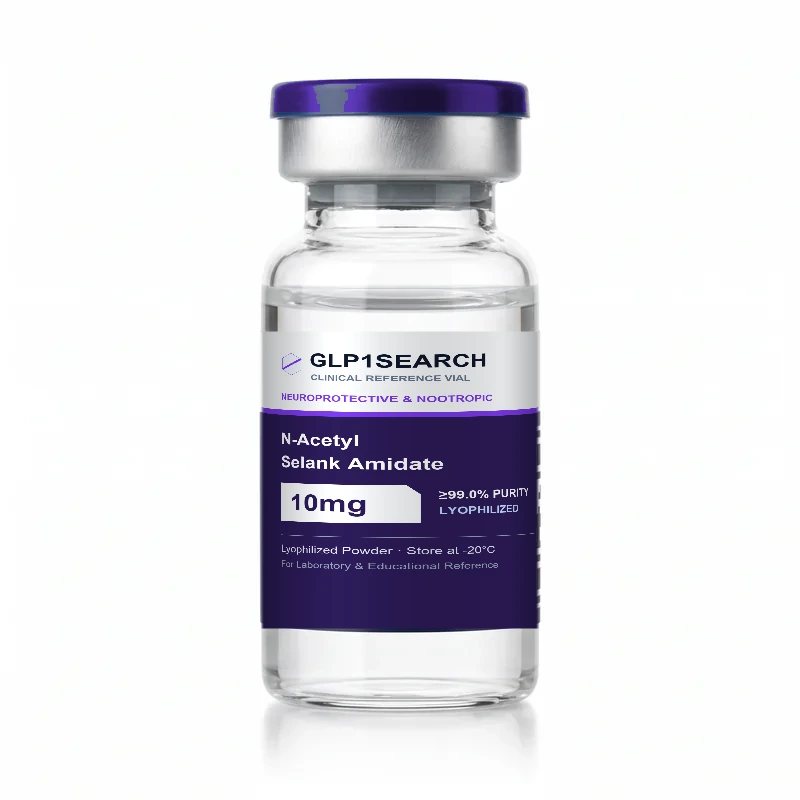
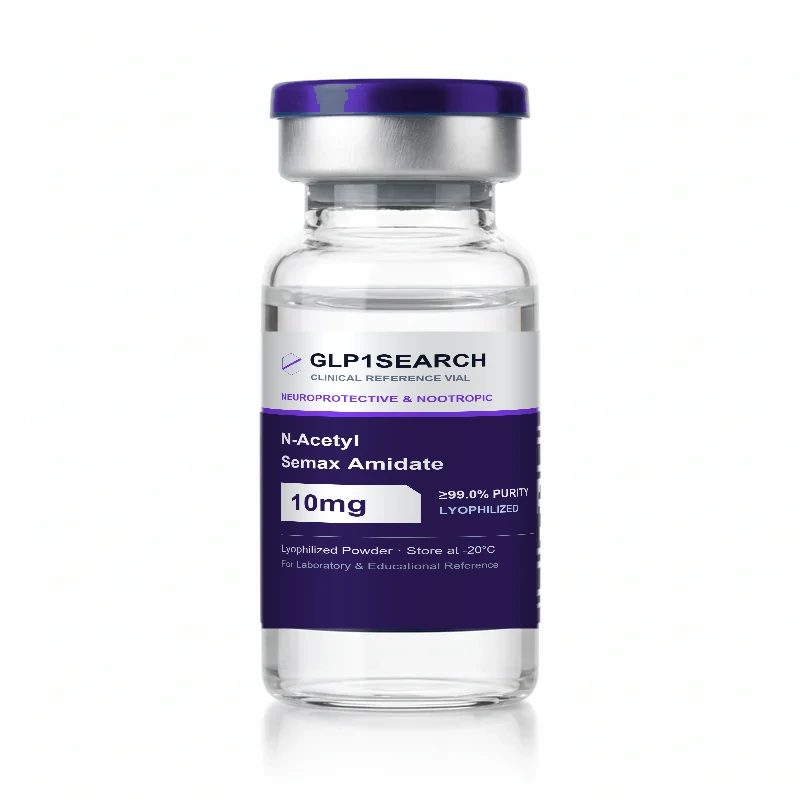
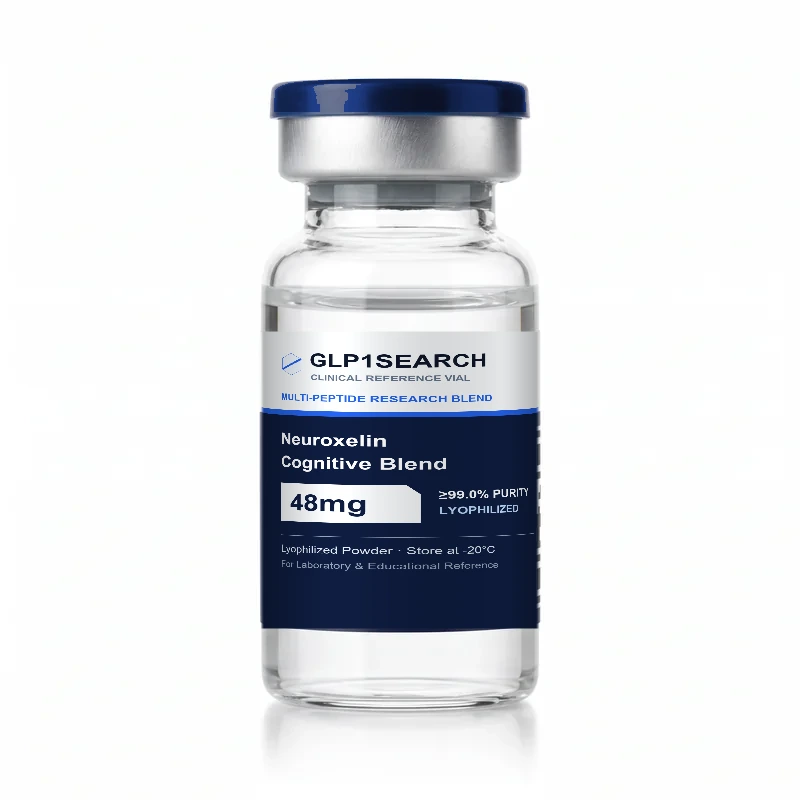
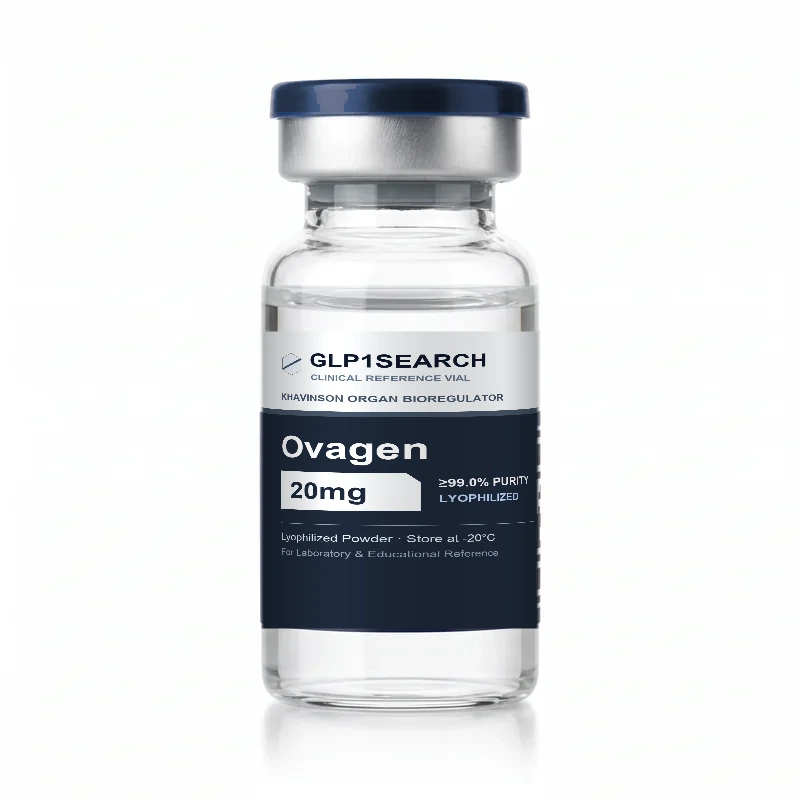
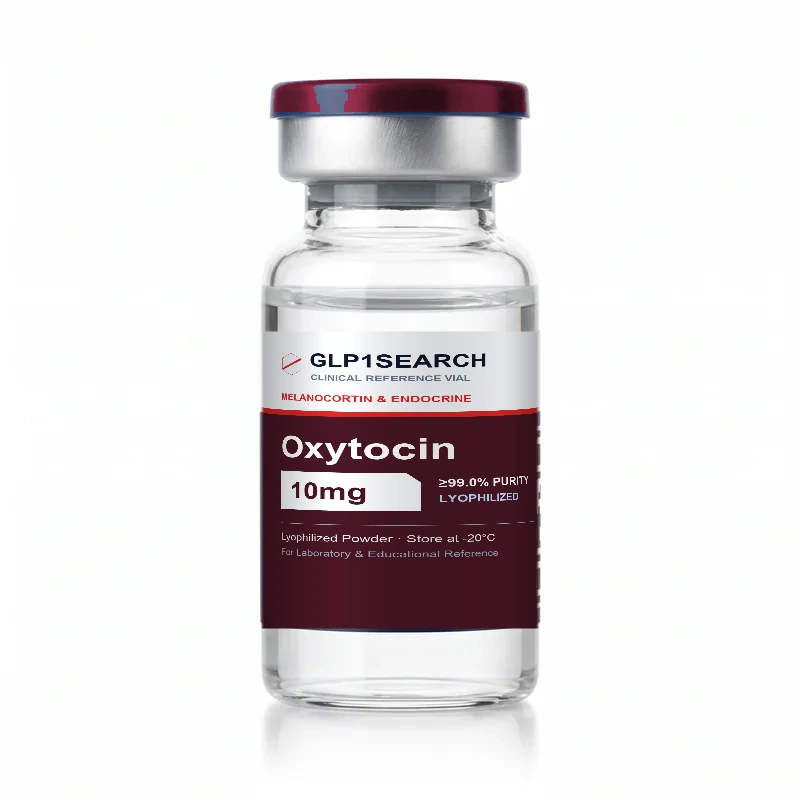
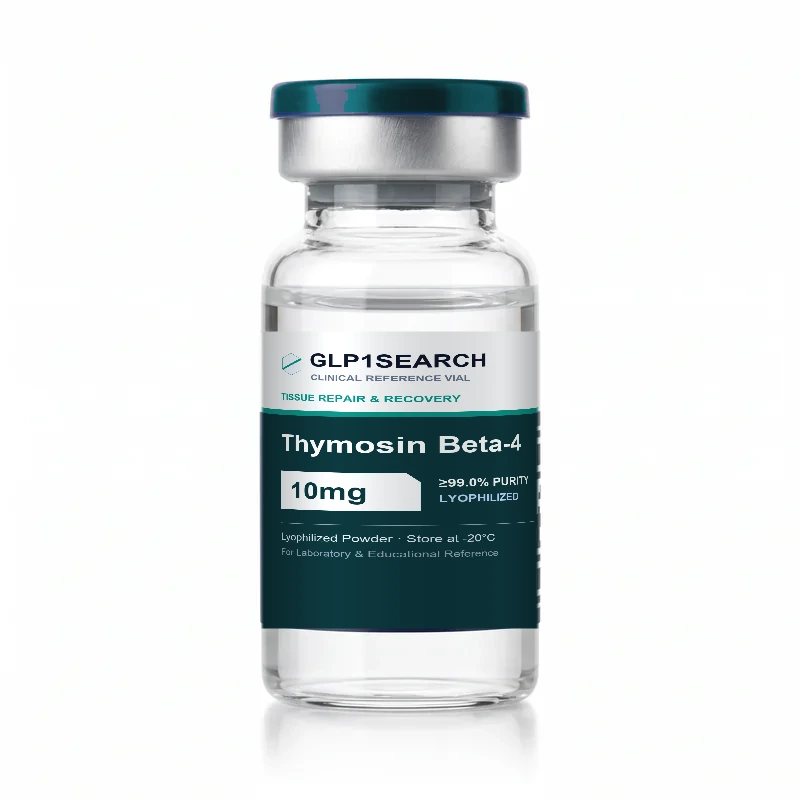
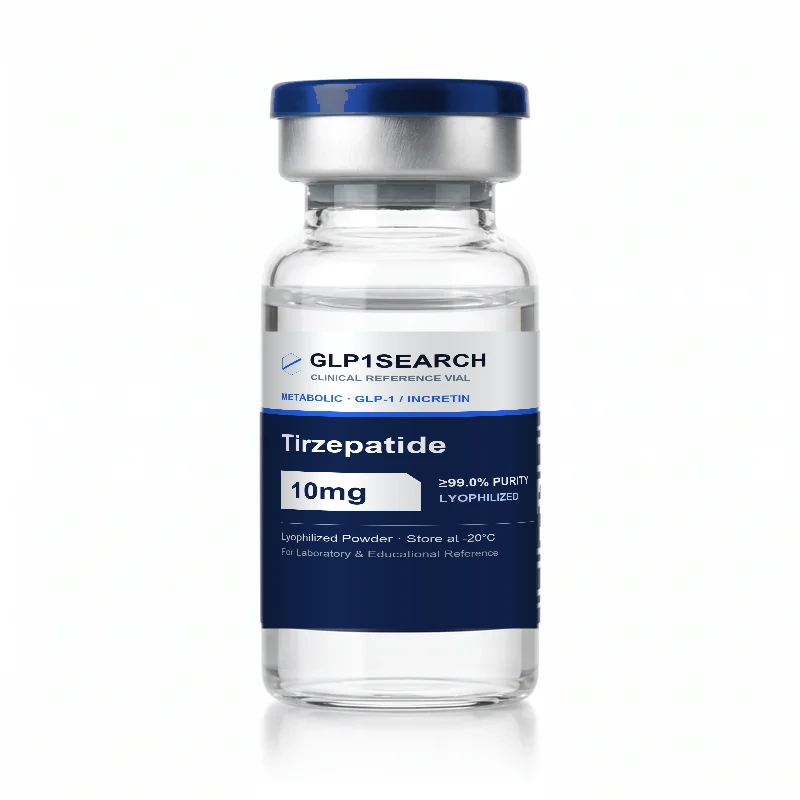
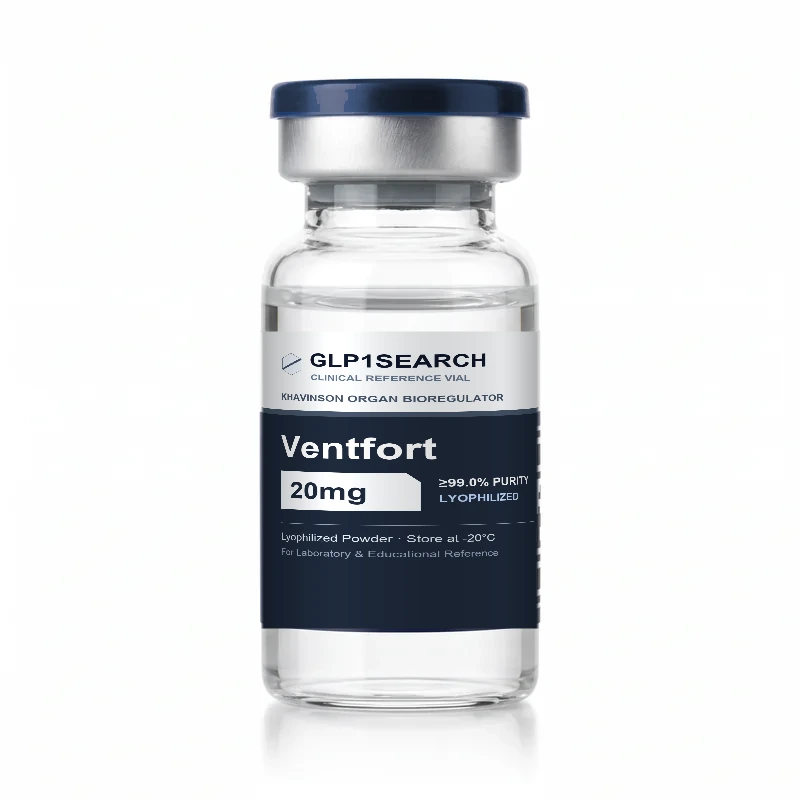
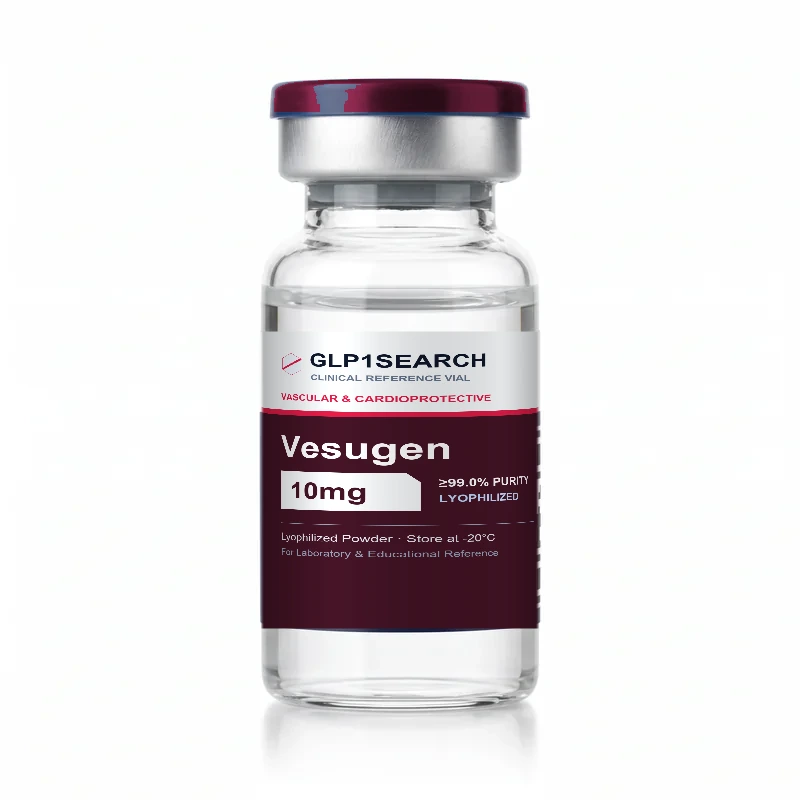
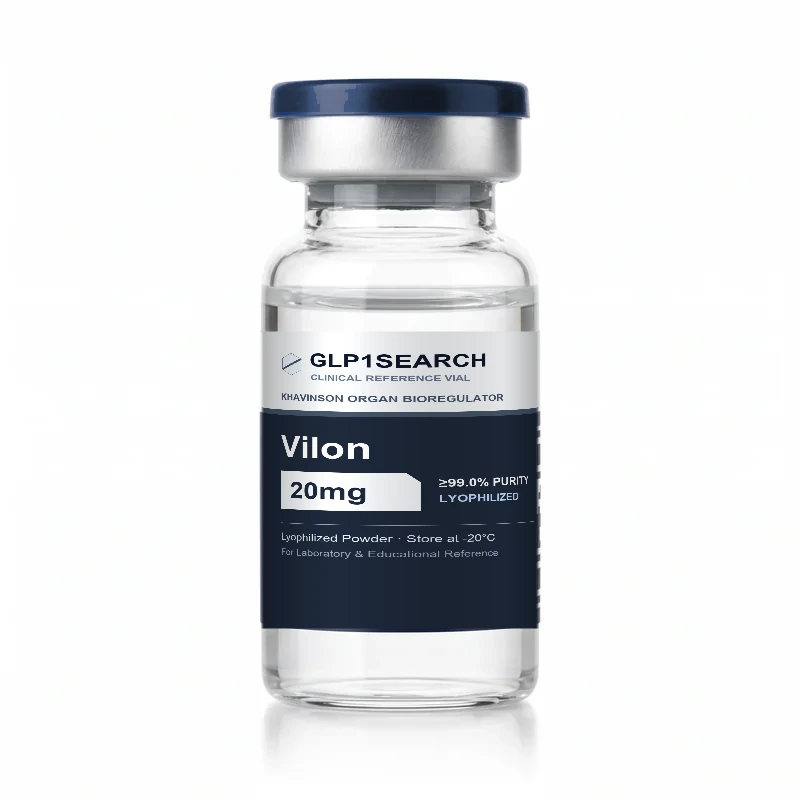
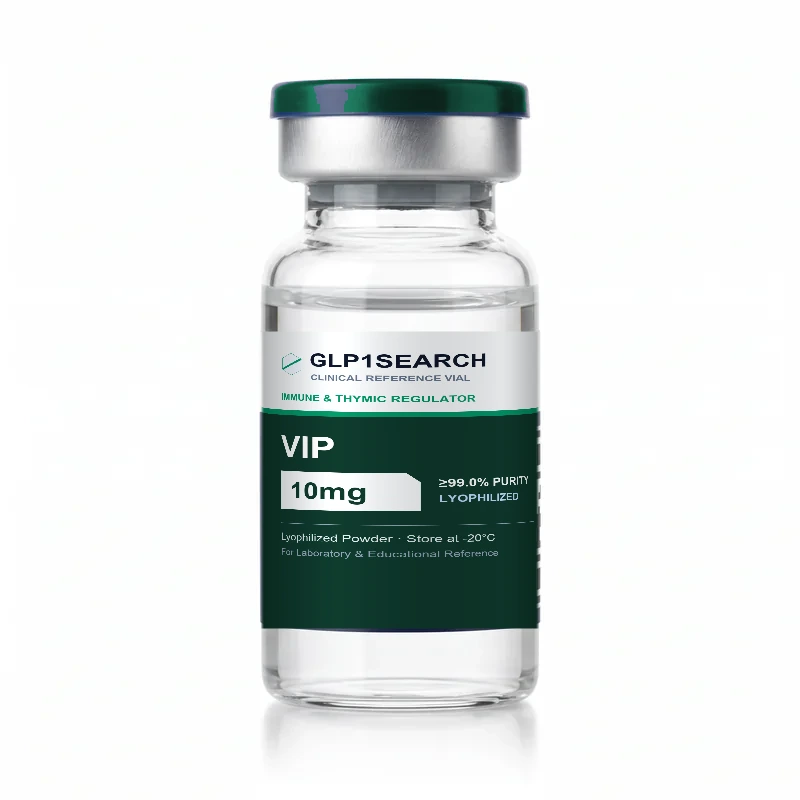
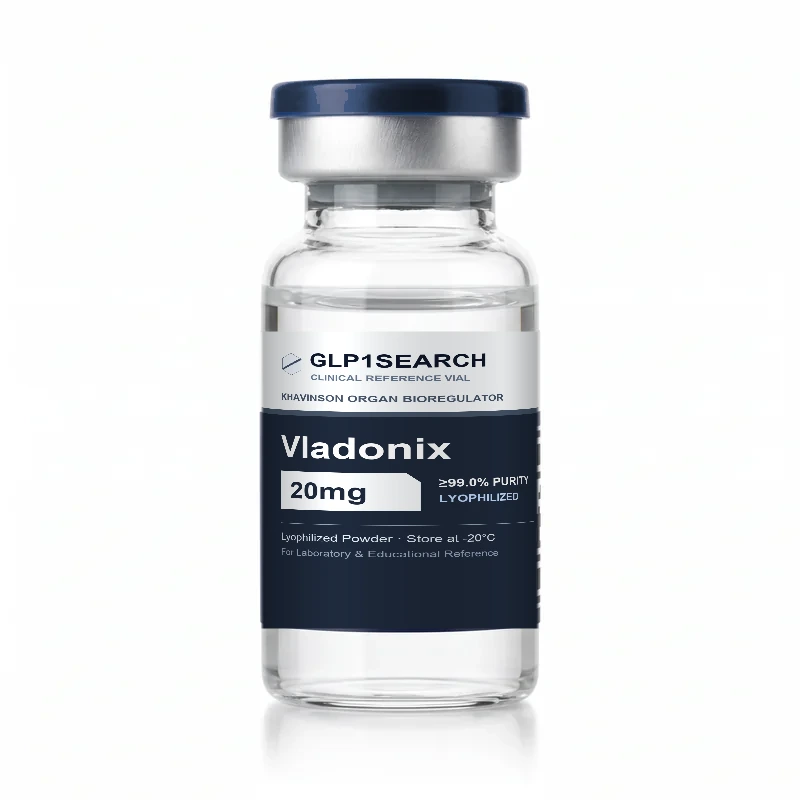
Master Peptide Dosage & Reconstitution Chart
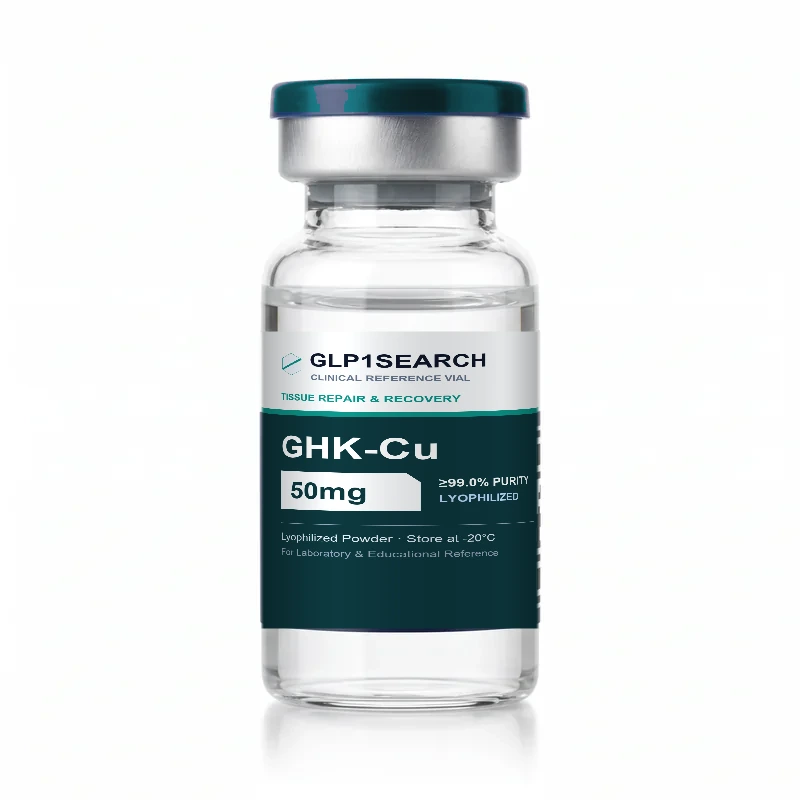
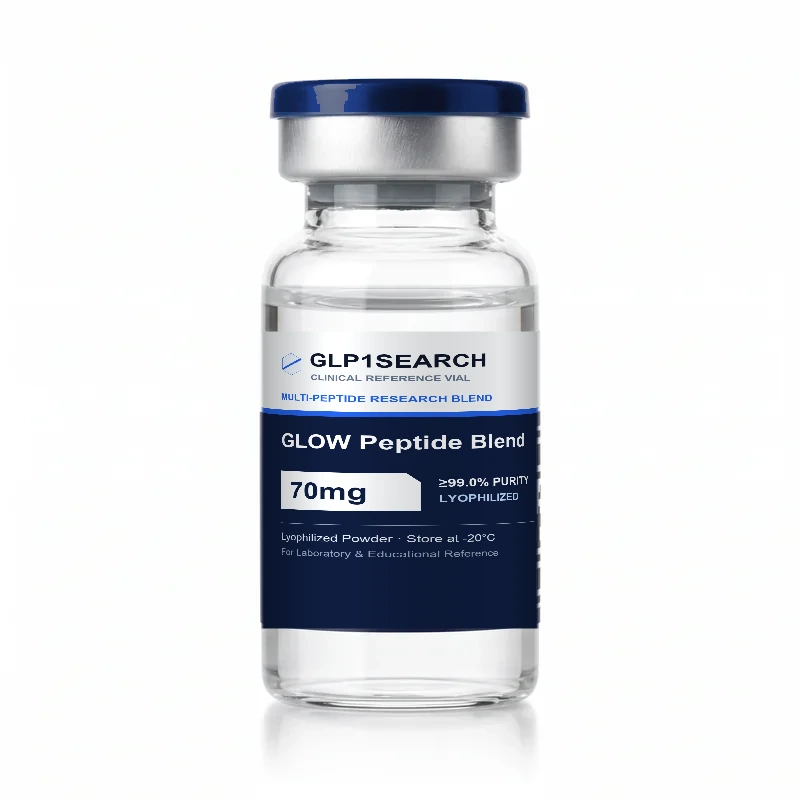
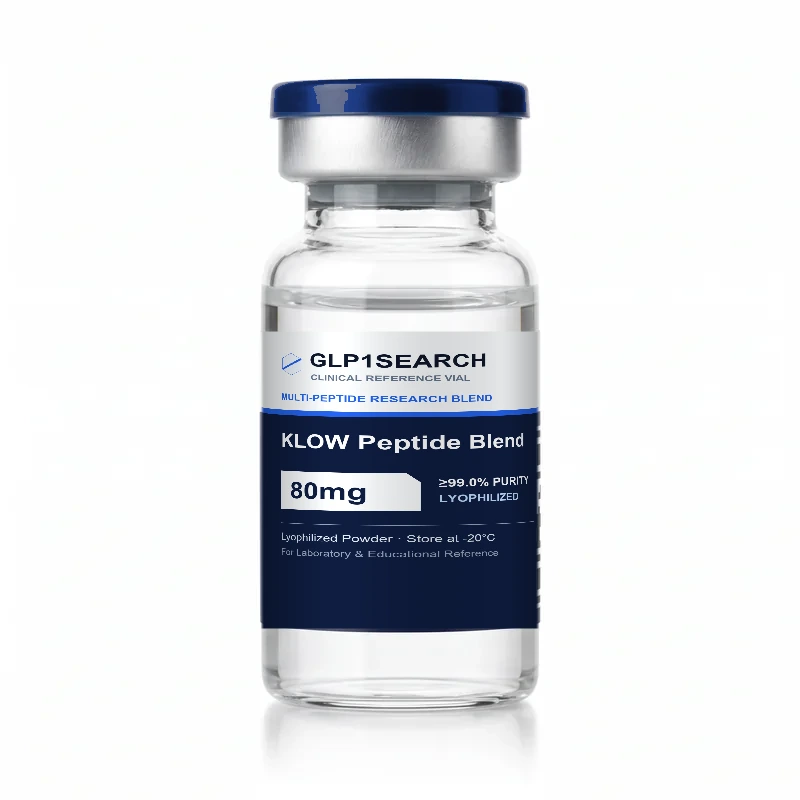
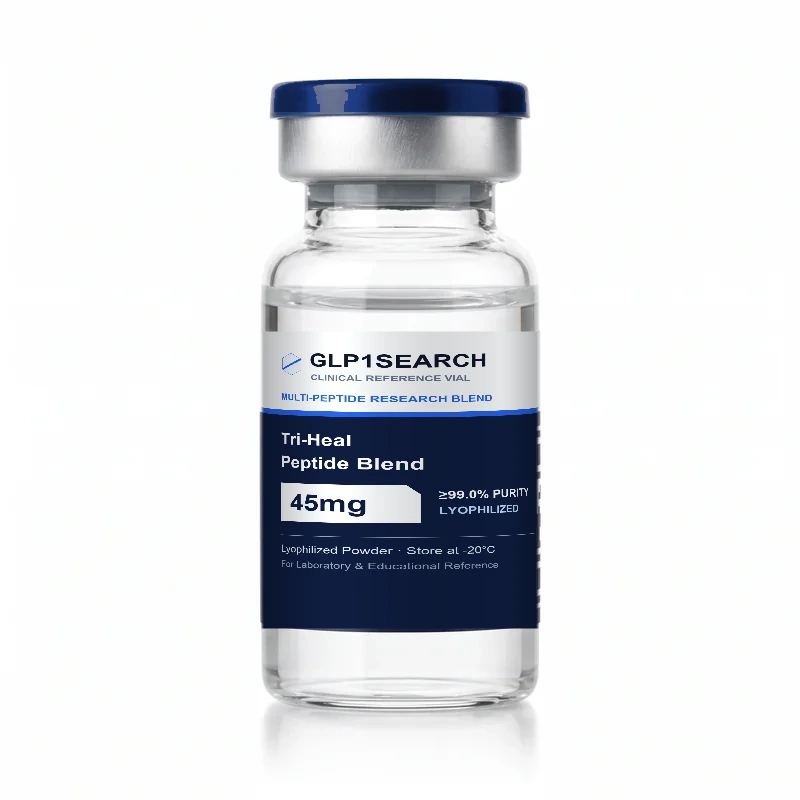
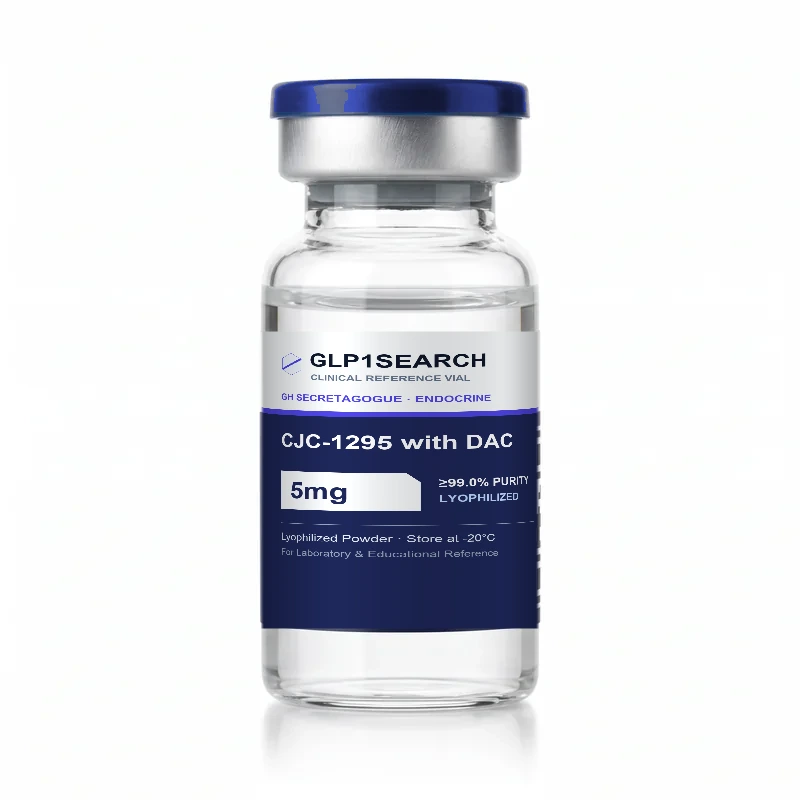
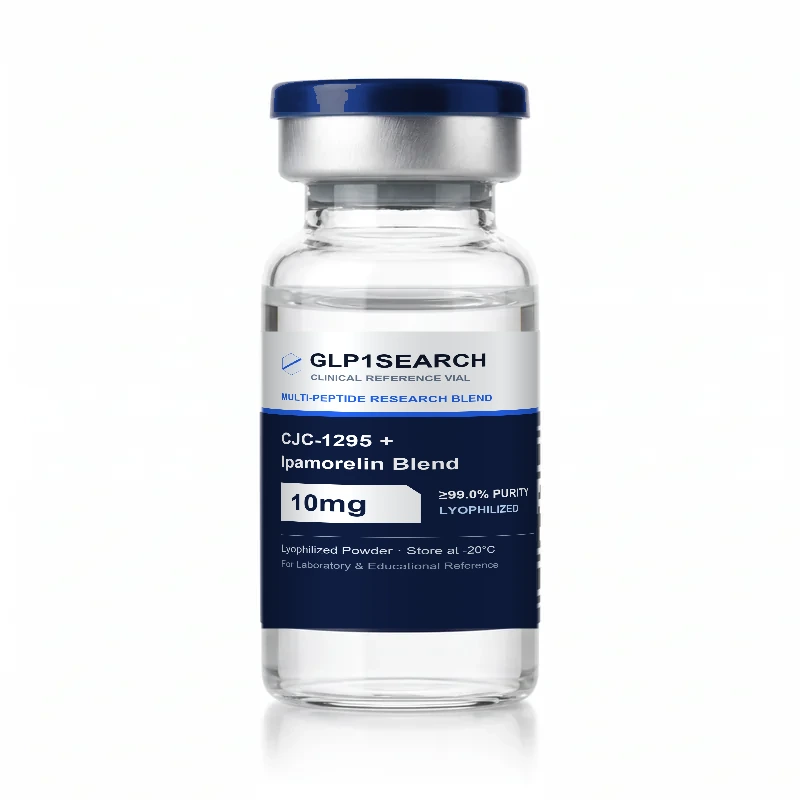
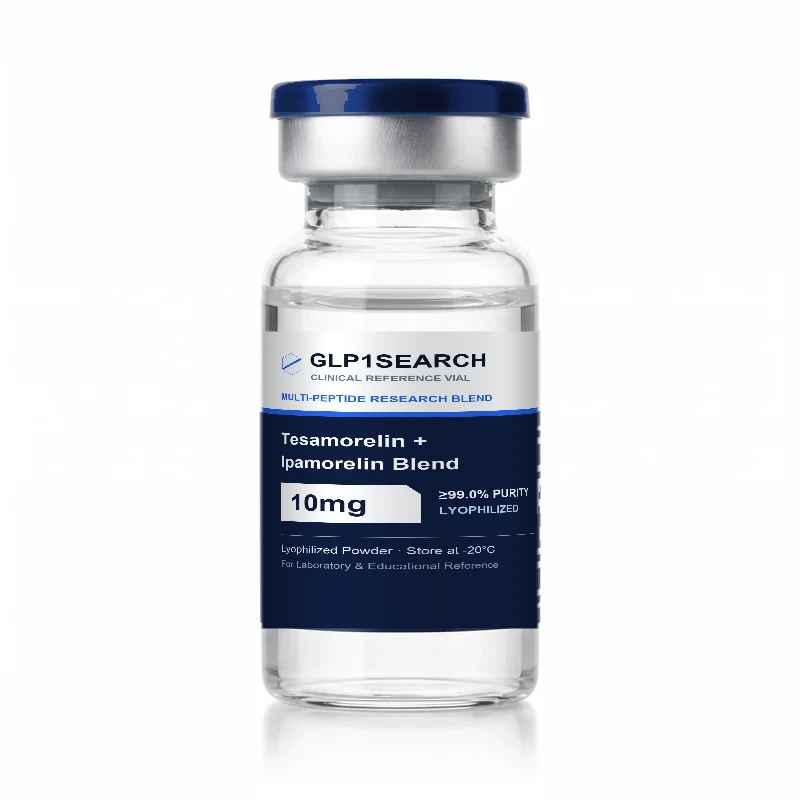
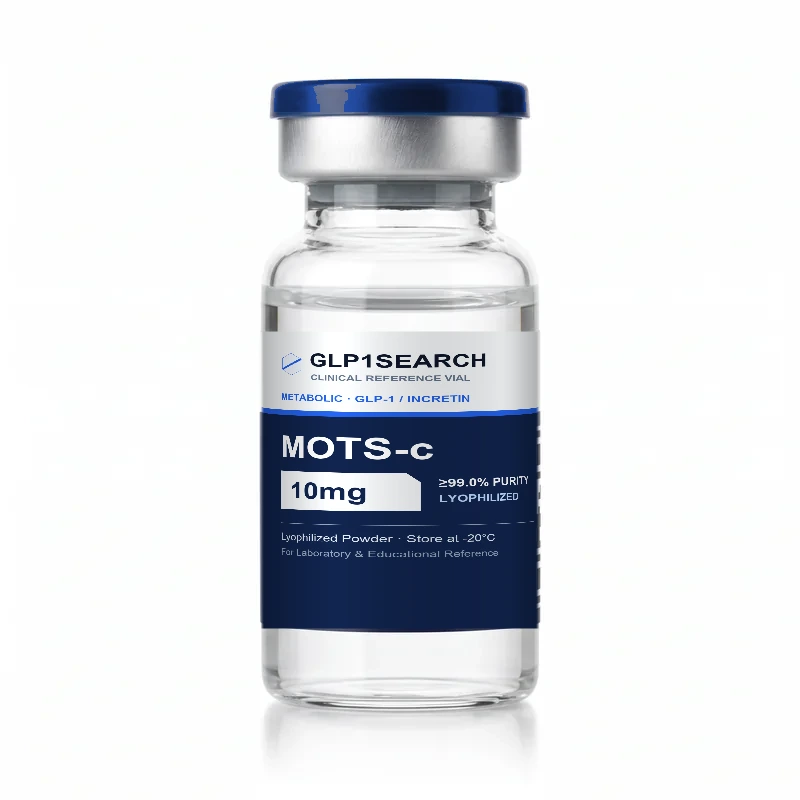
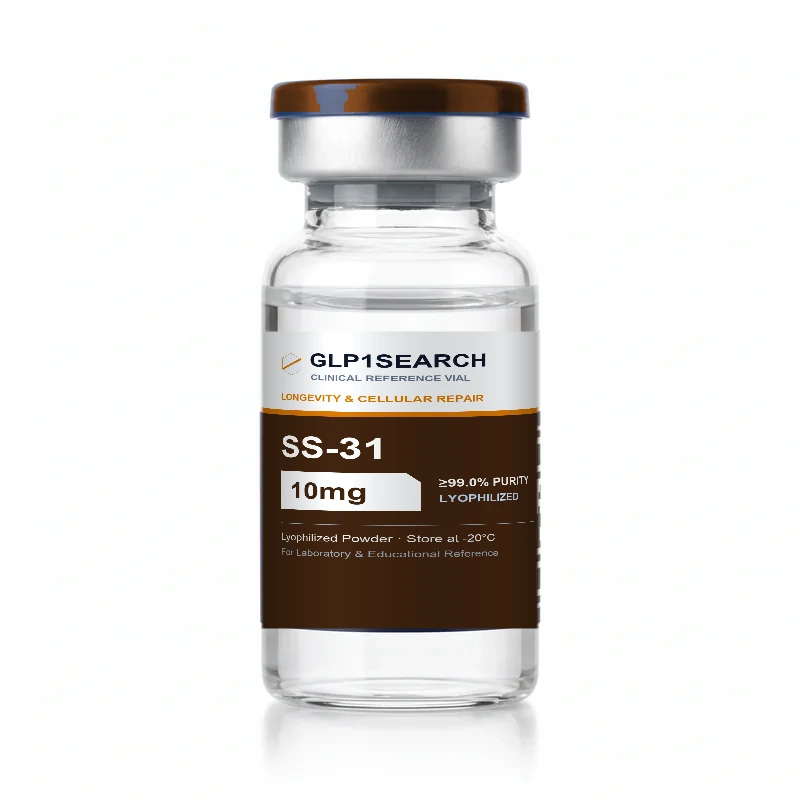
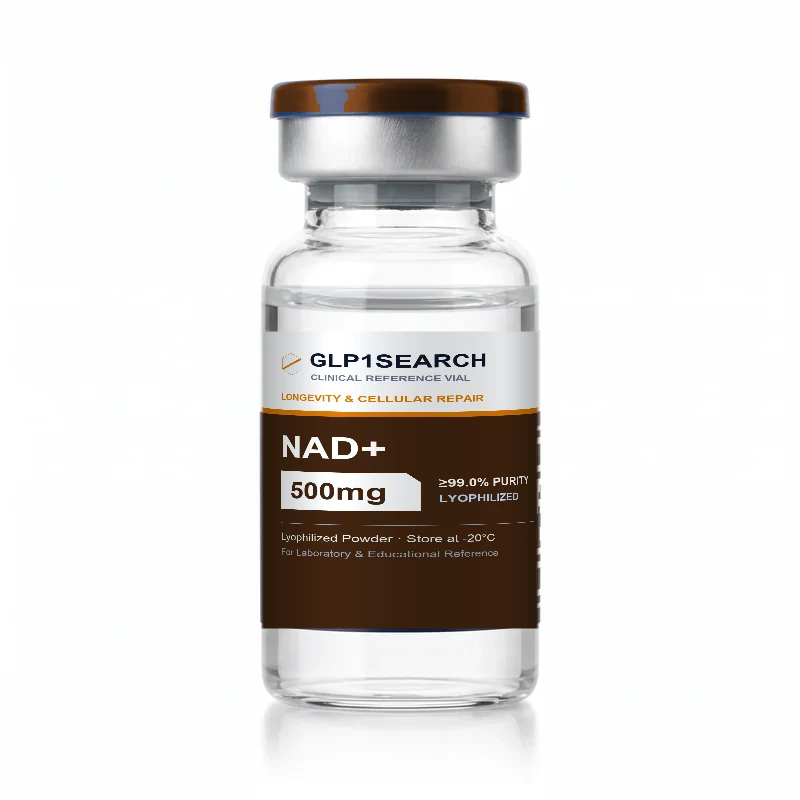
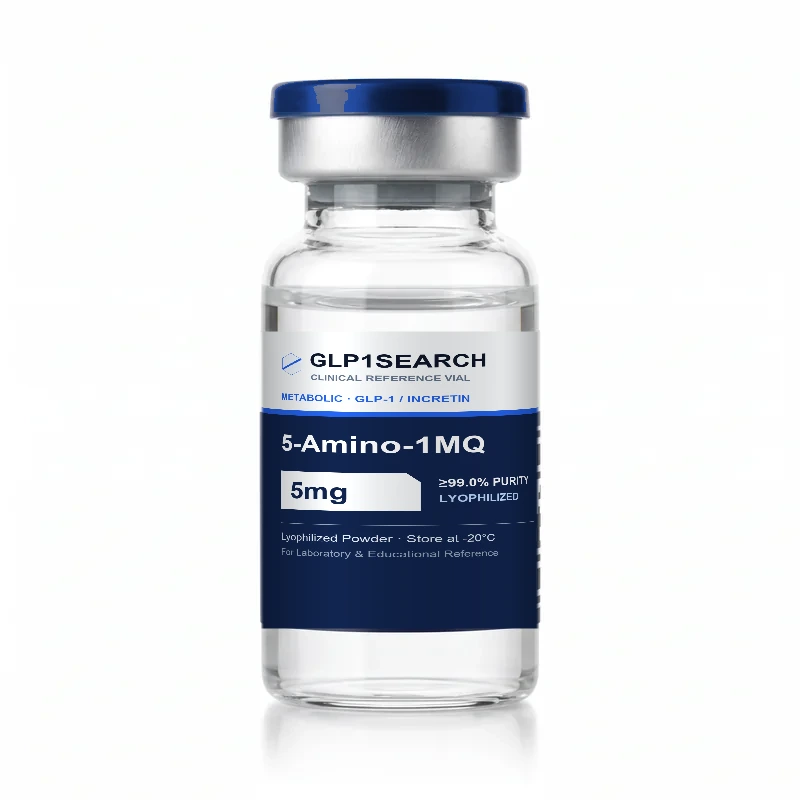
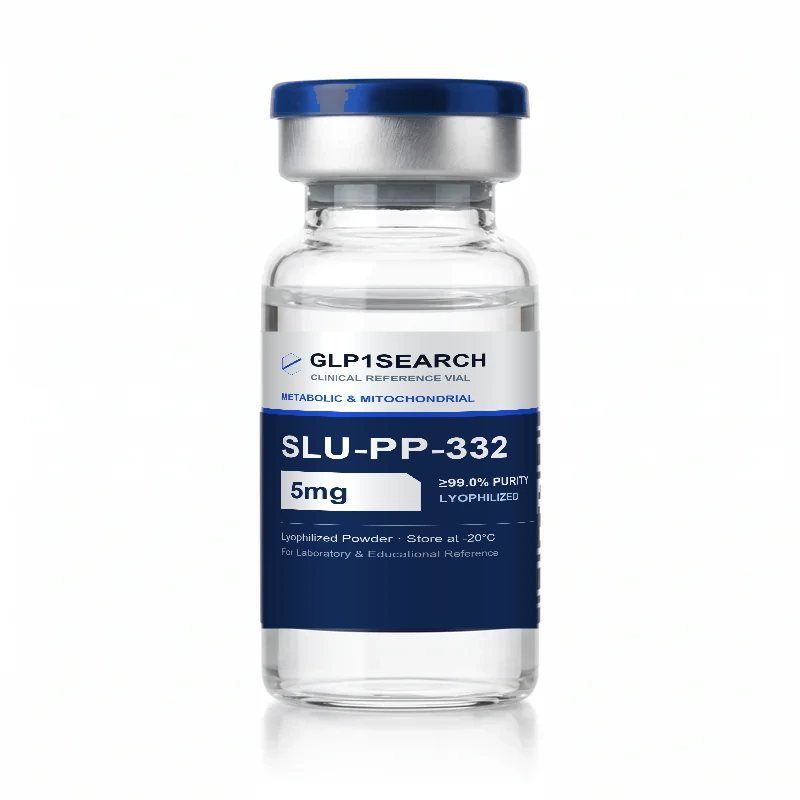
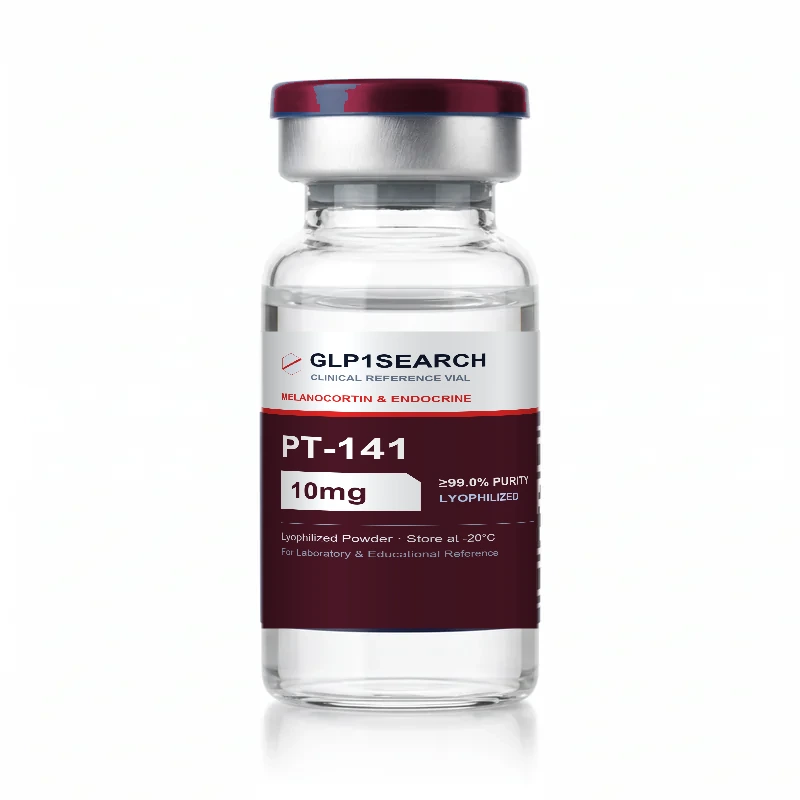
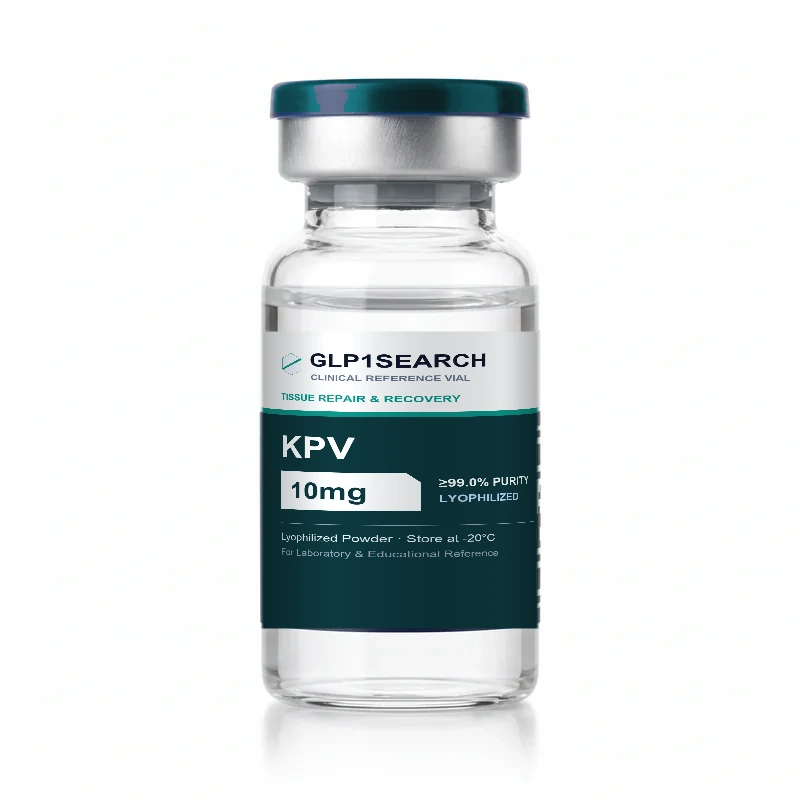
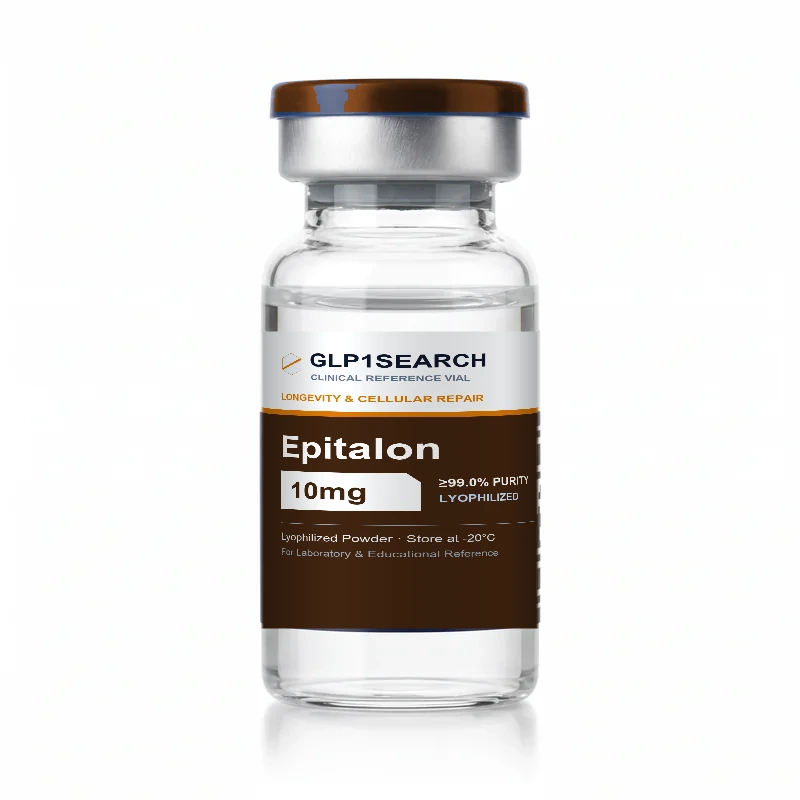
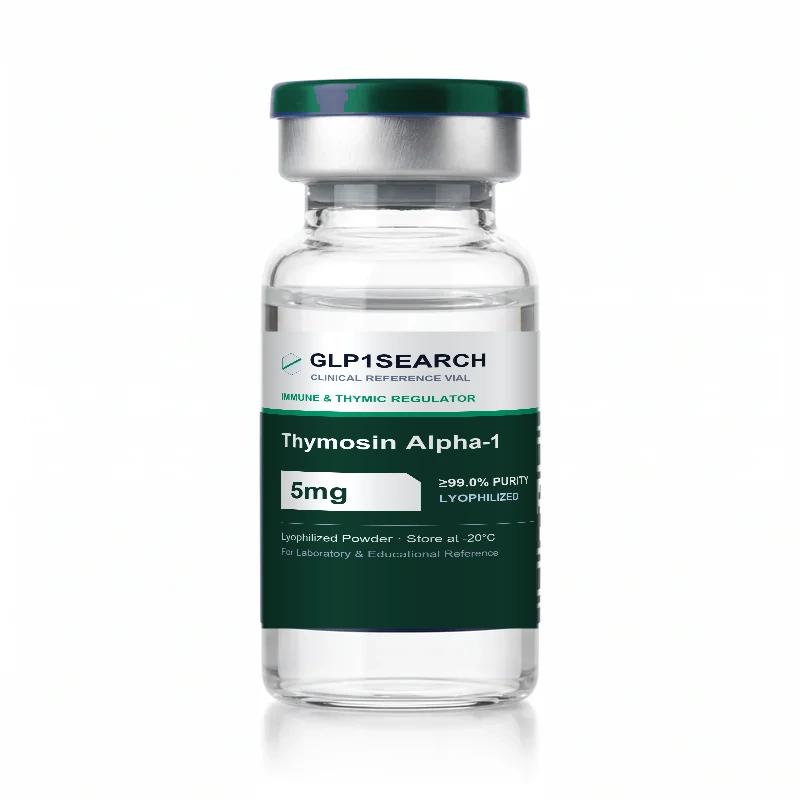
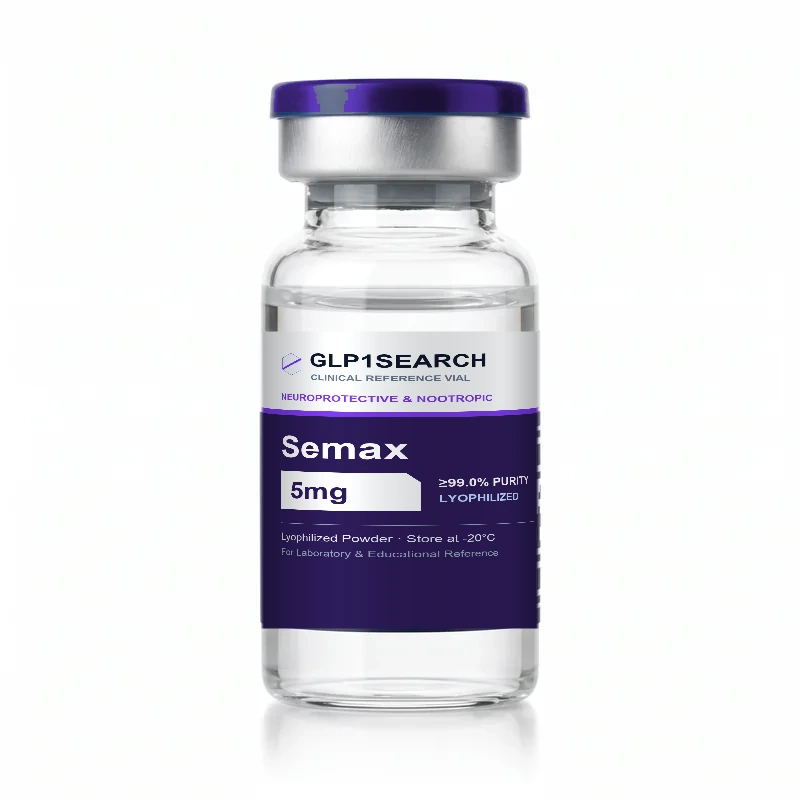
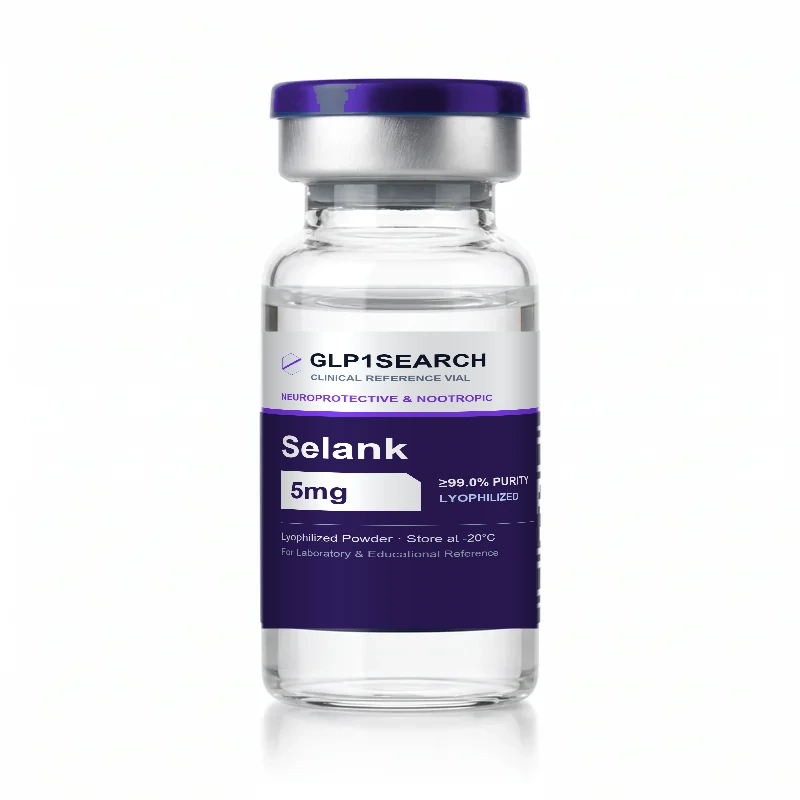
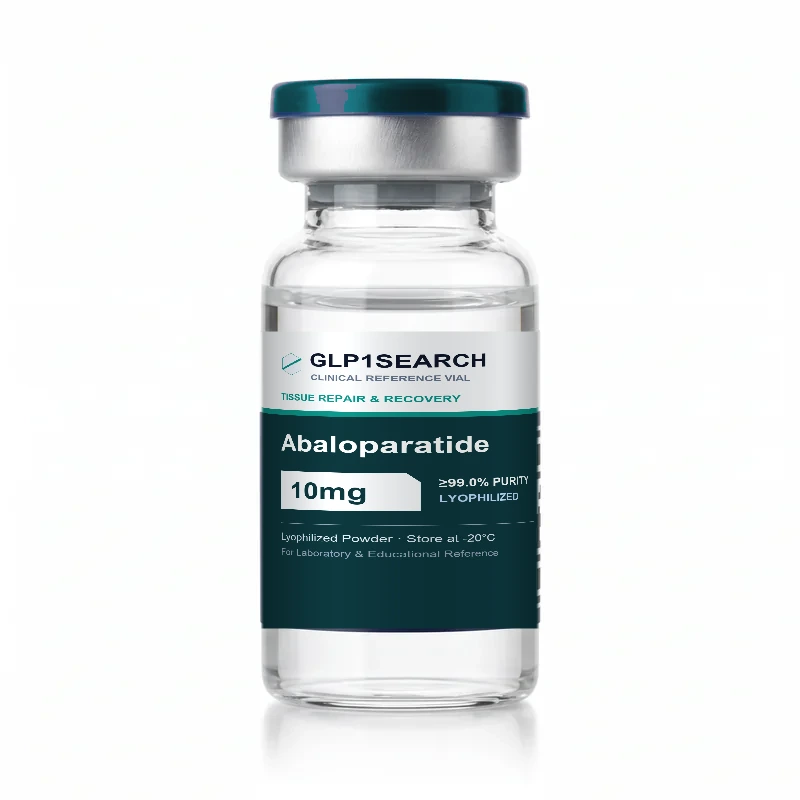
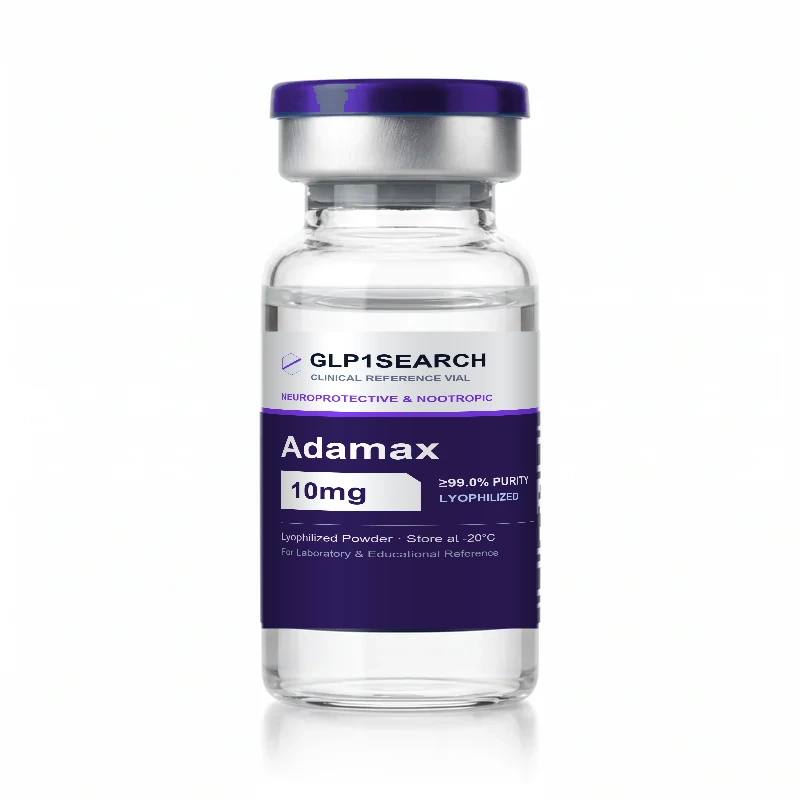
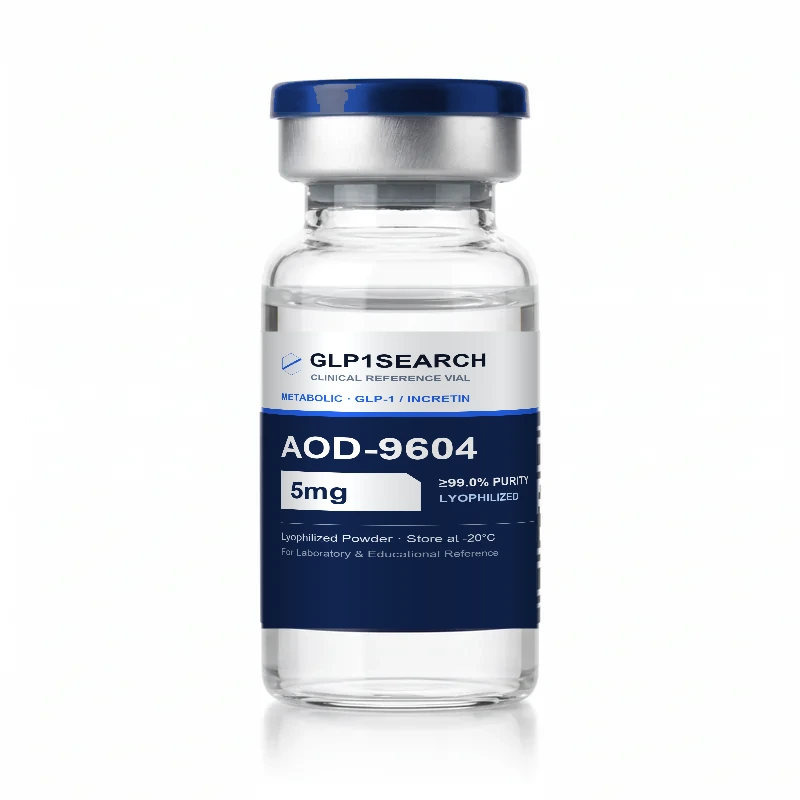
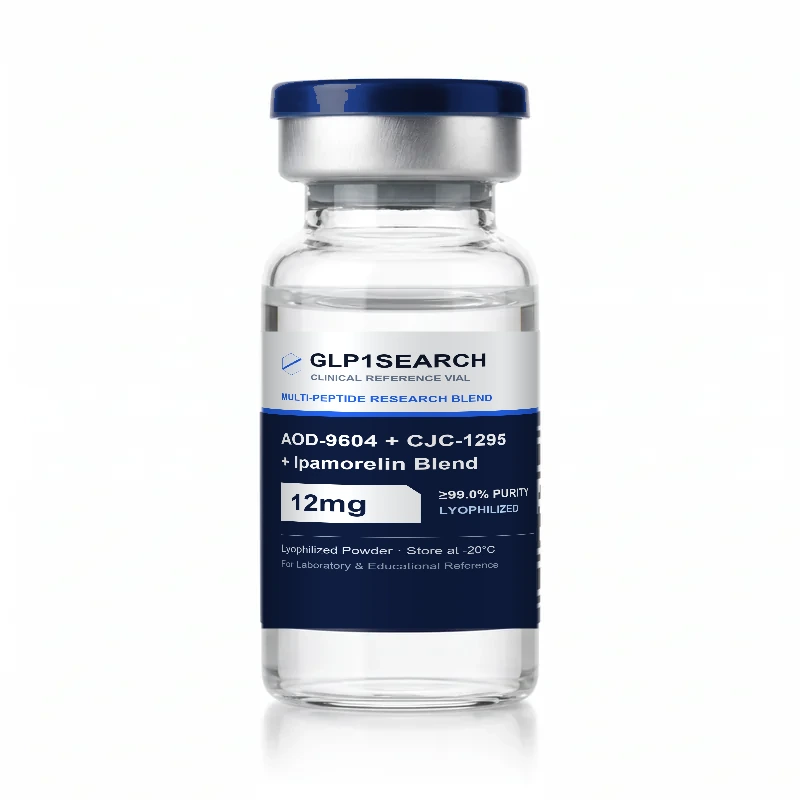
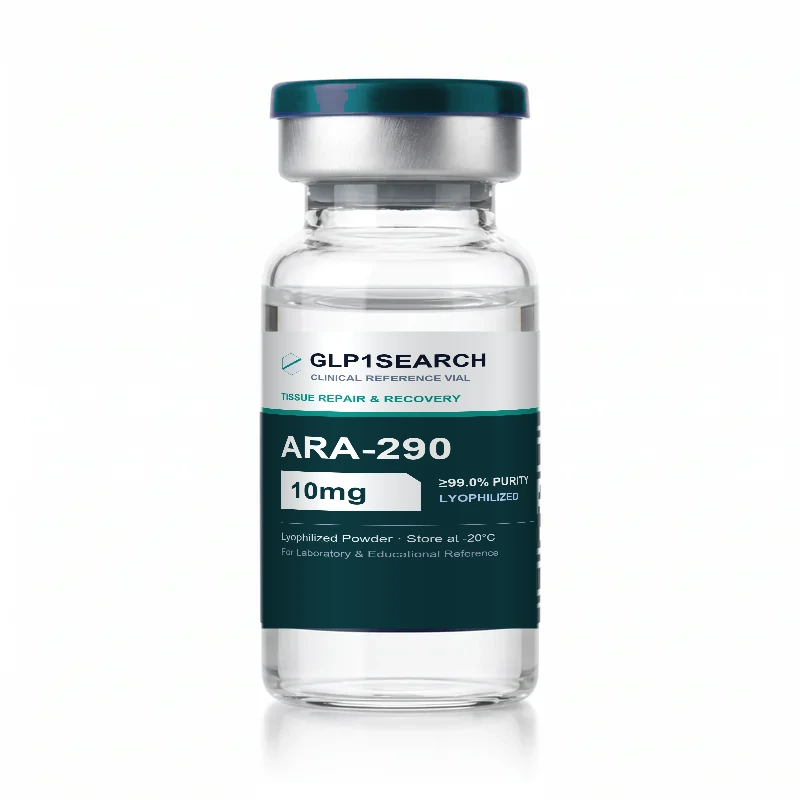
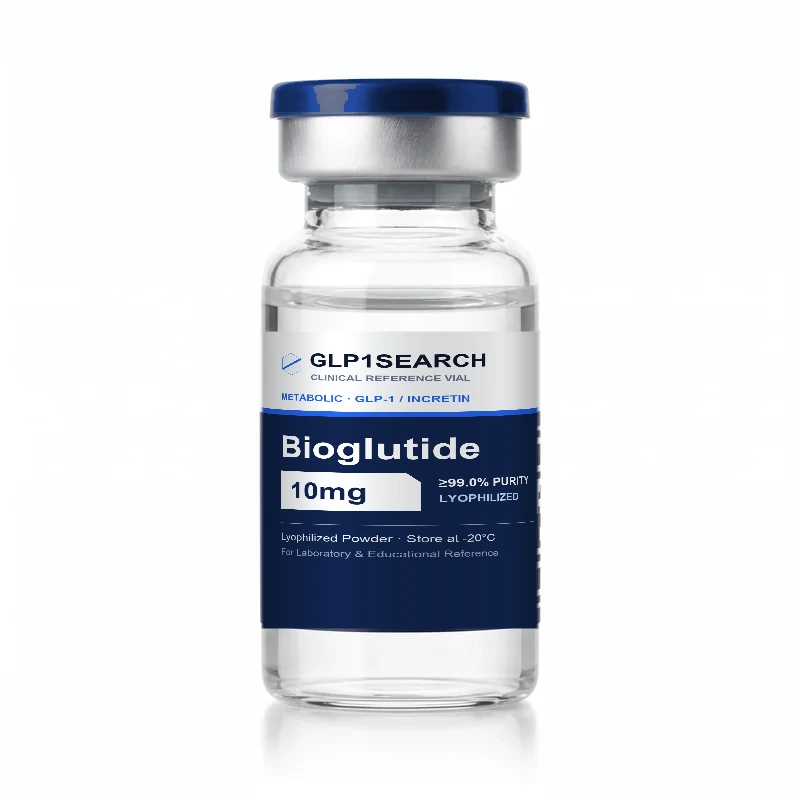
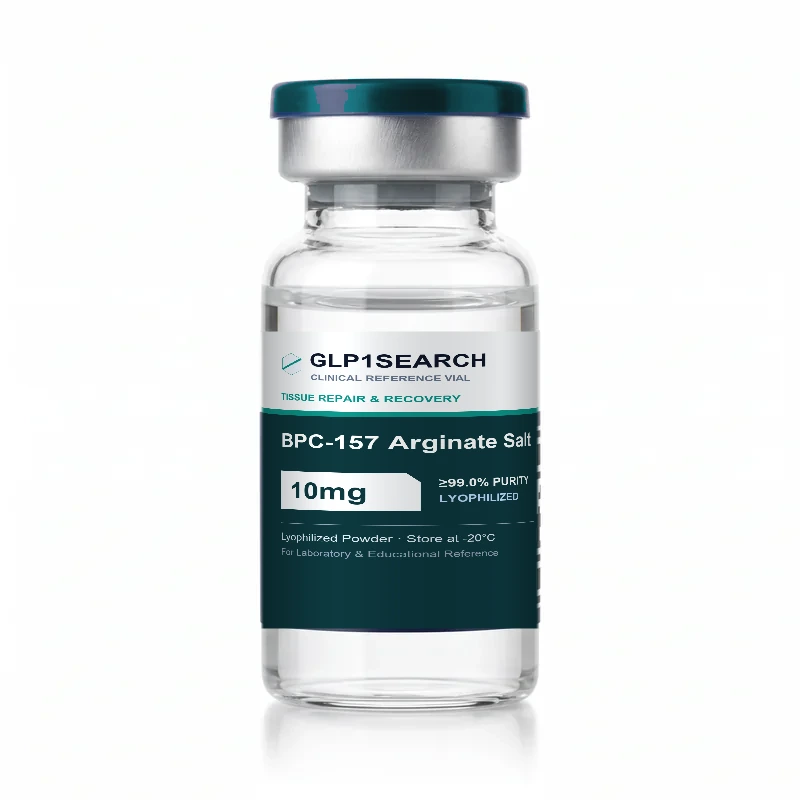
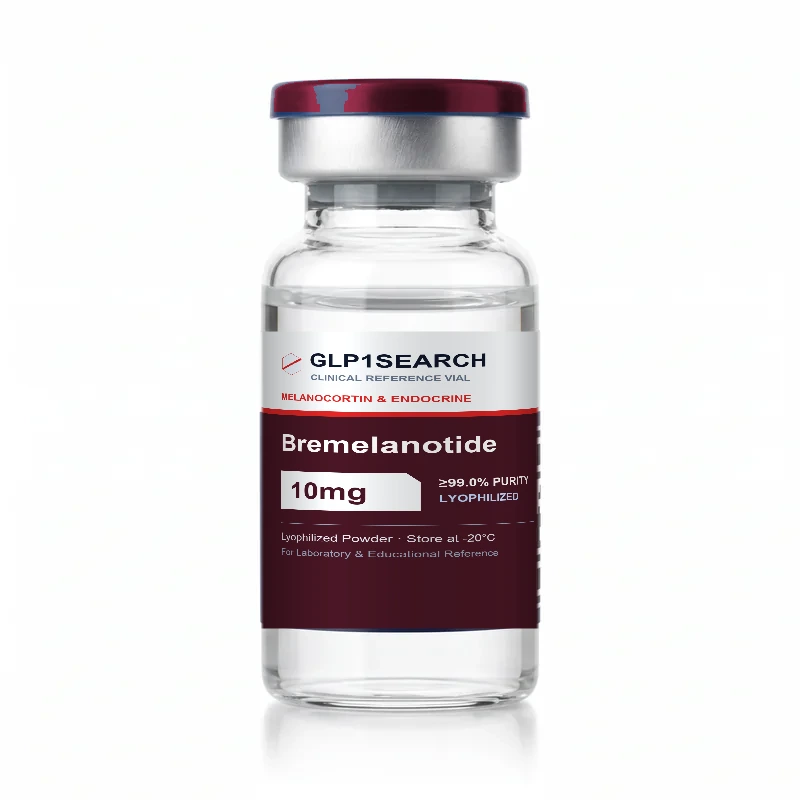
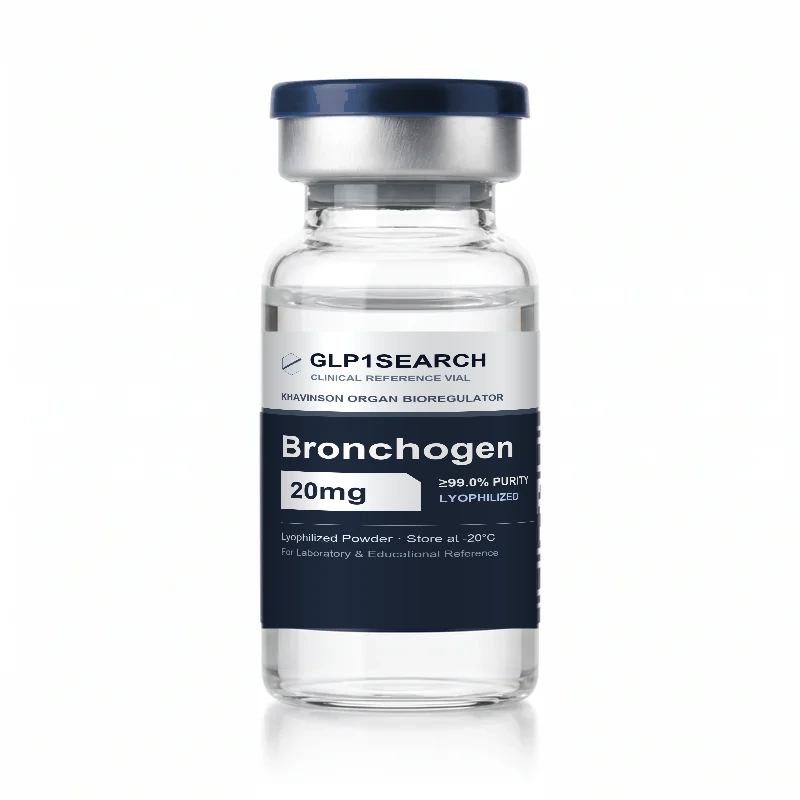
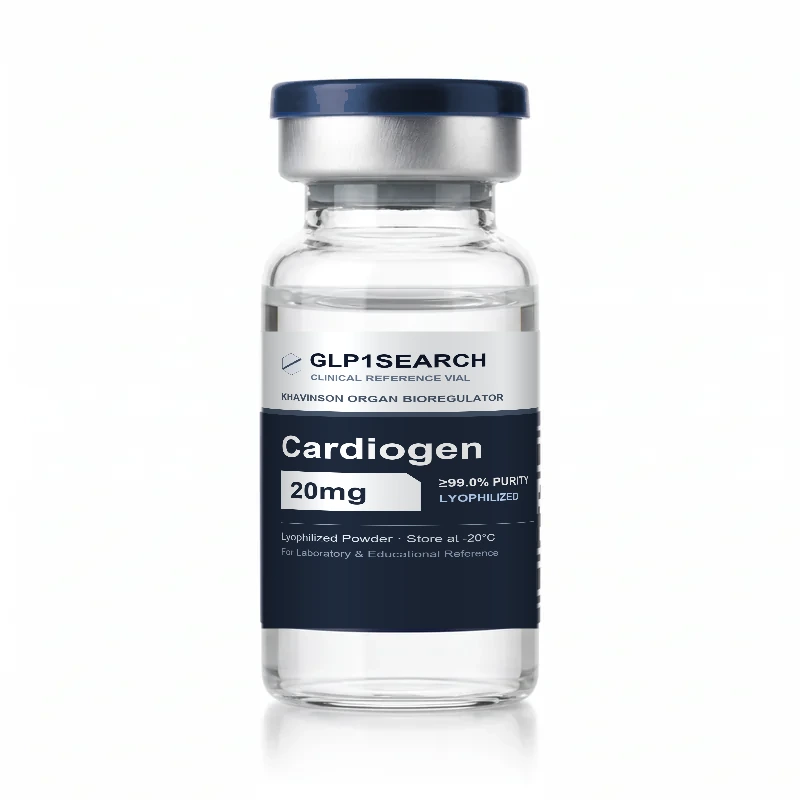
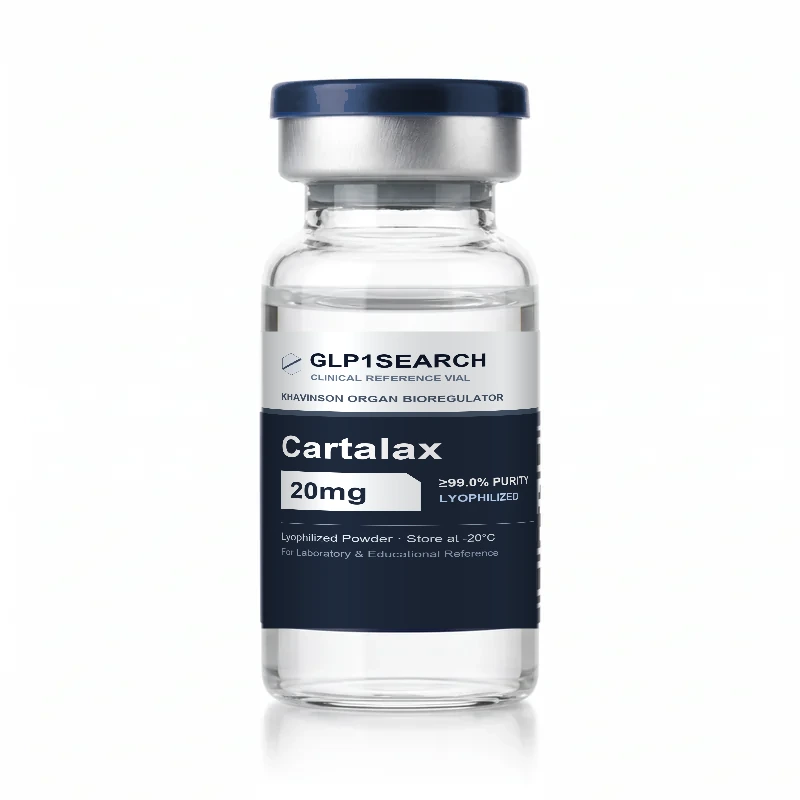
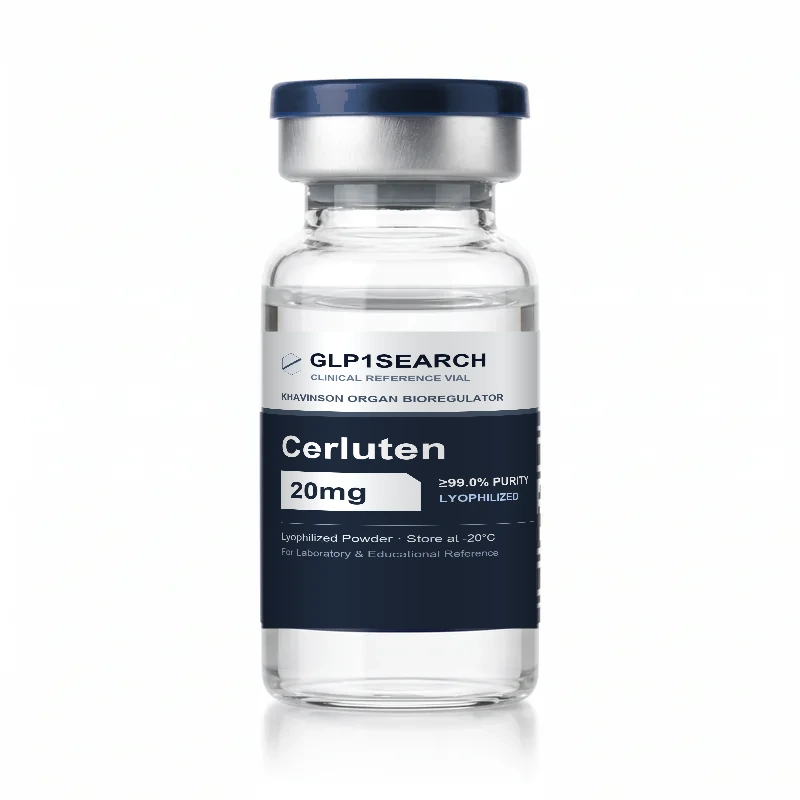
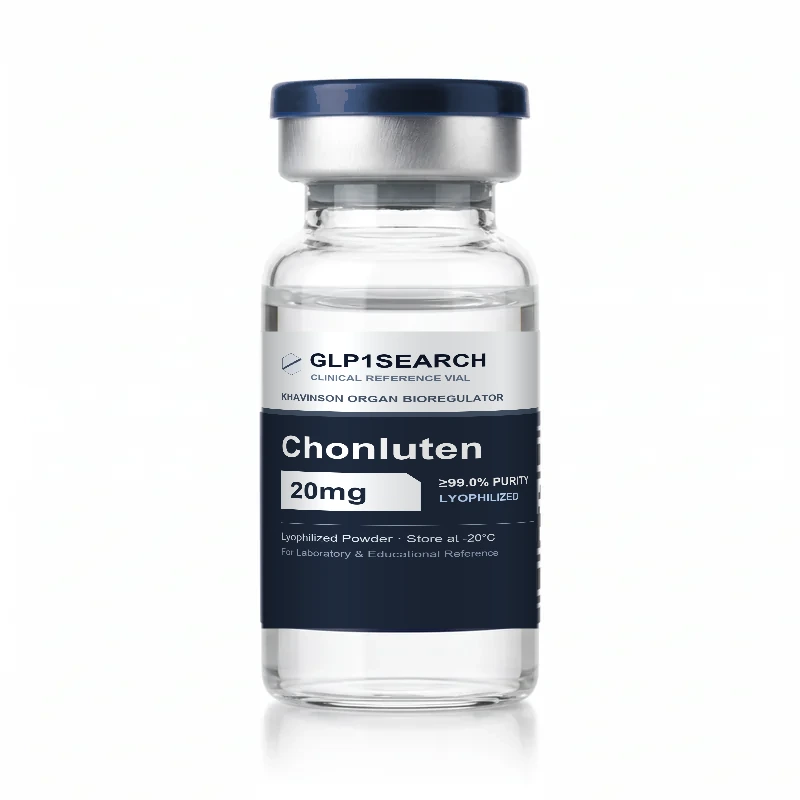
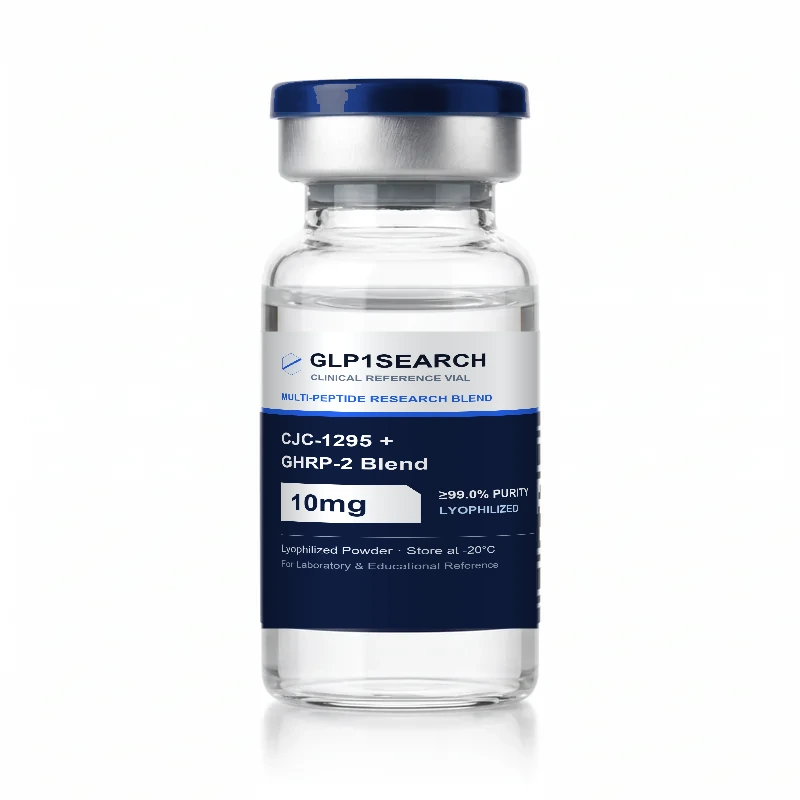
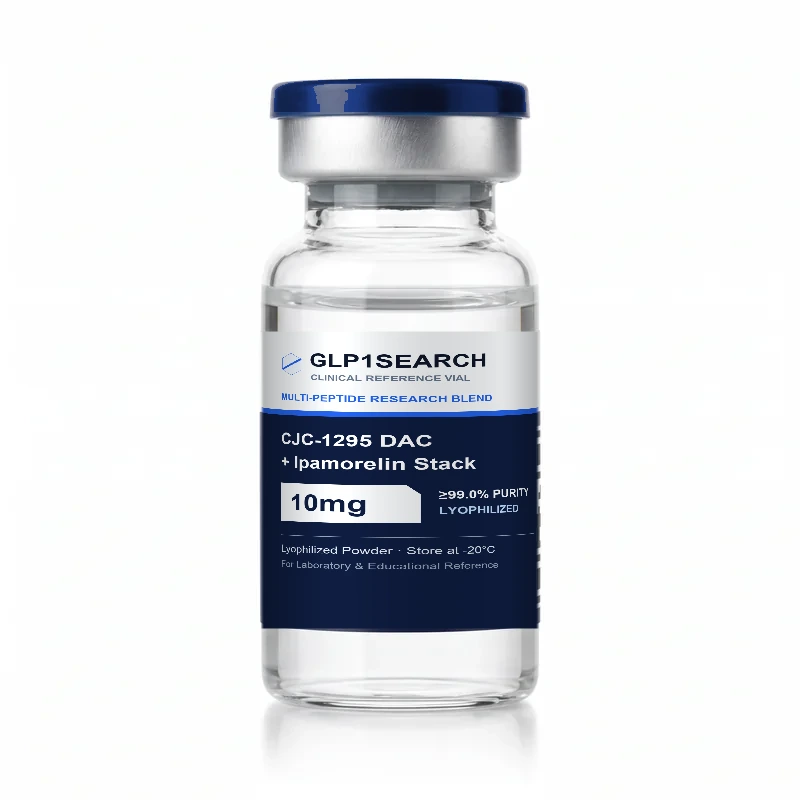
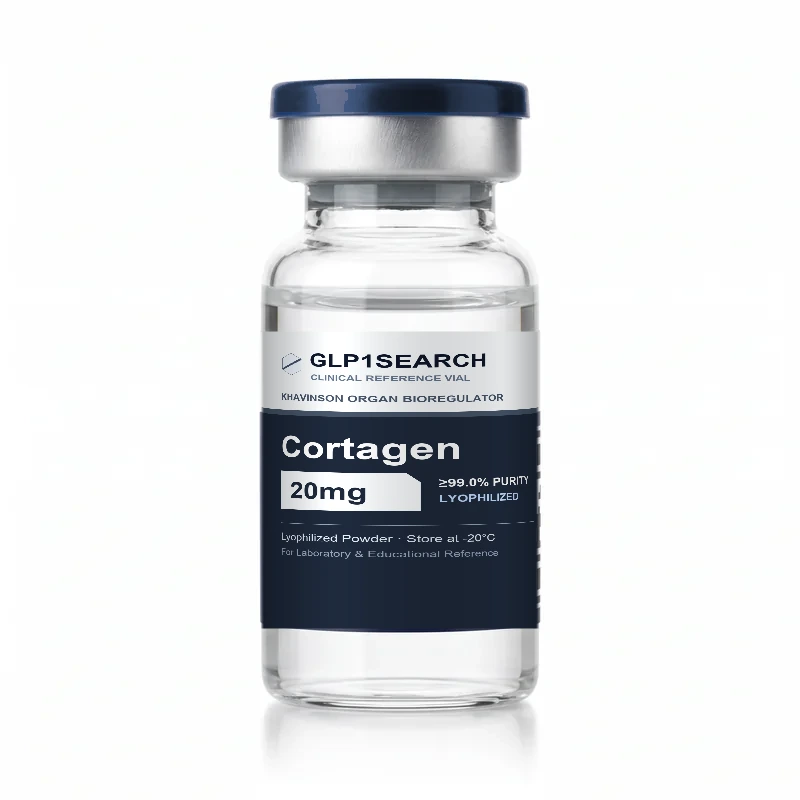
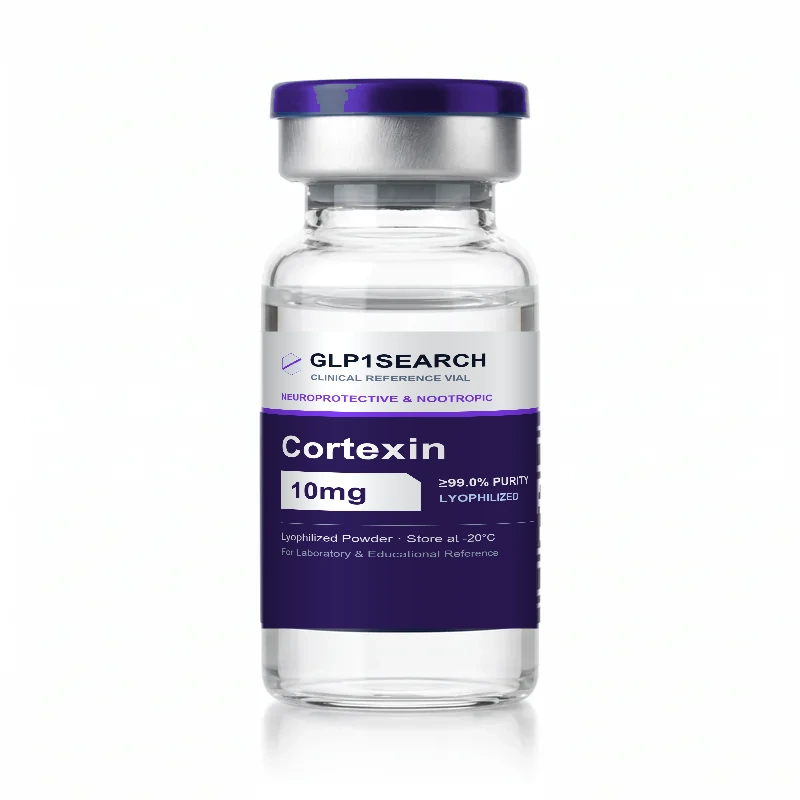
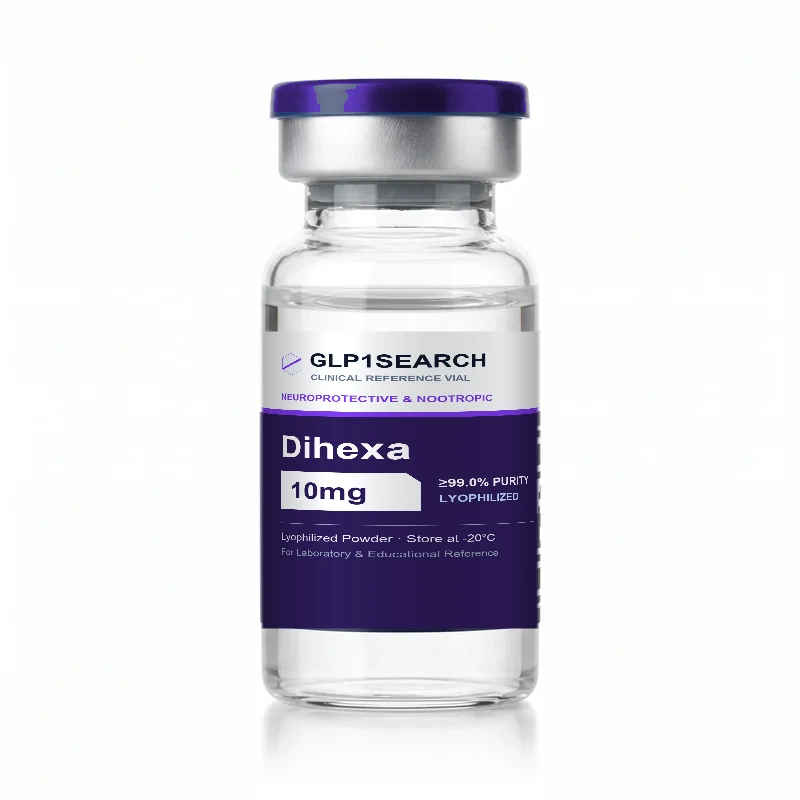
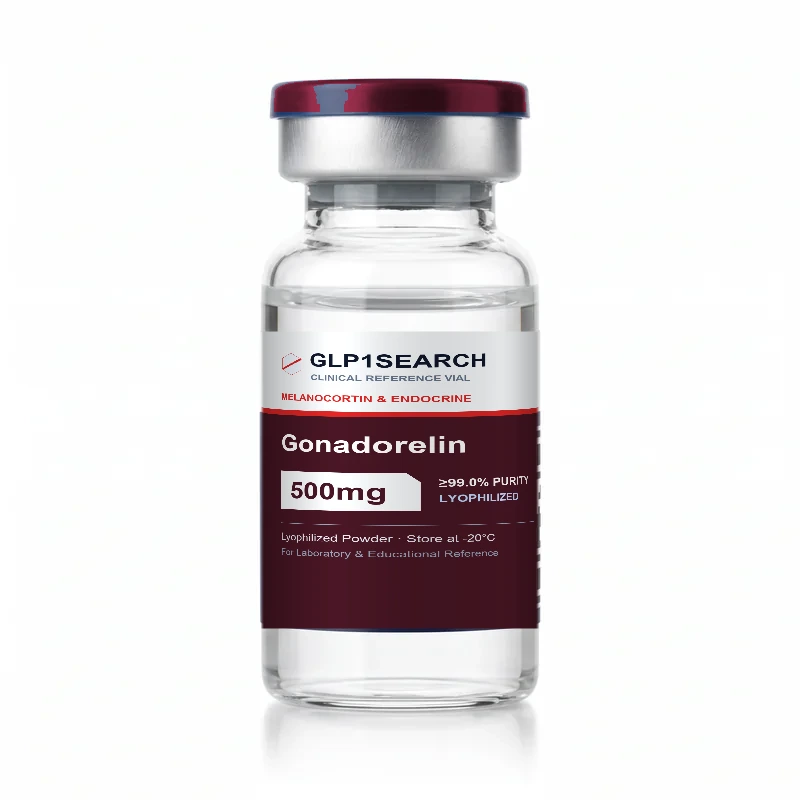
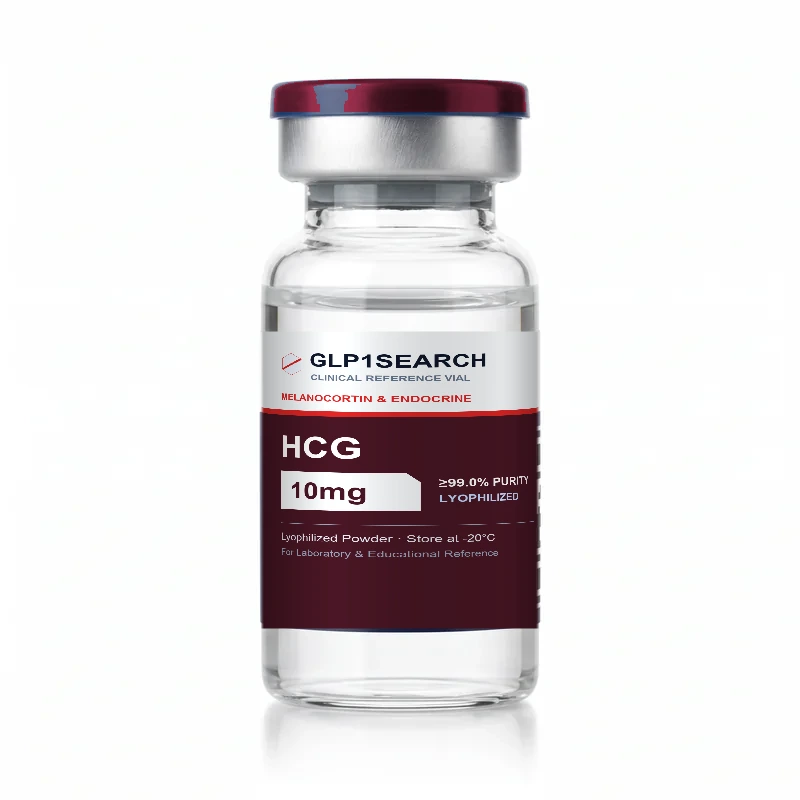
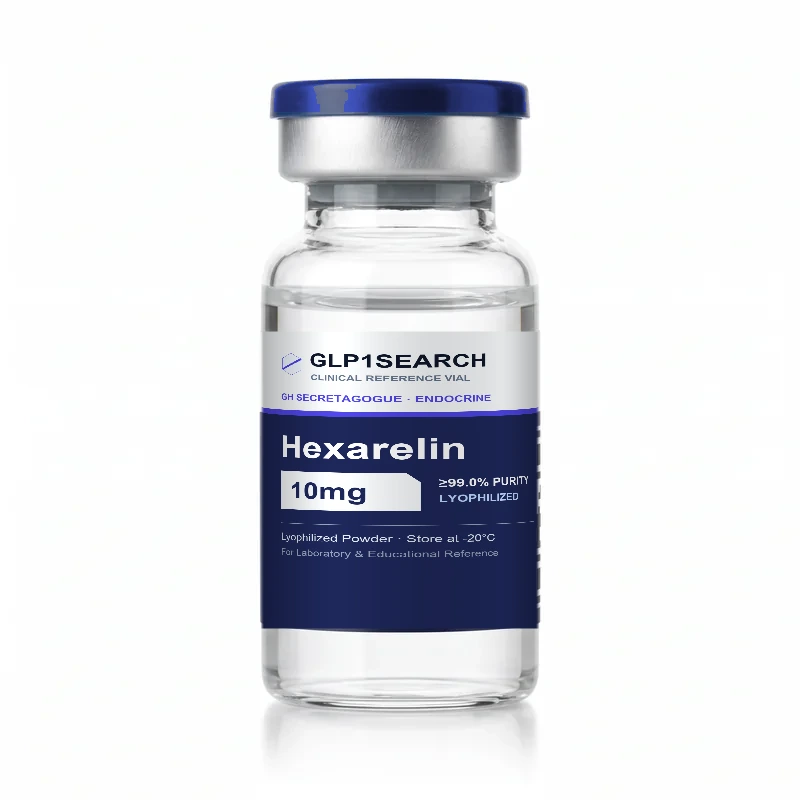
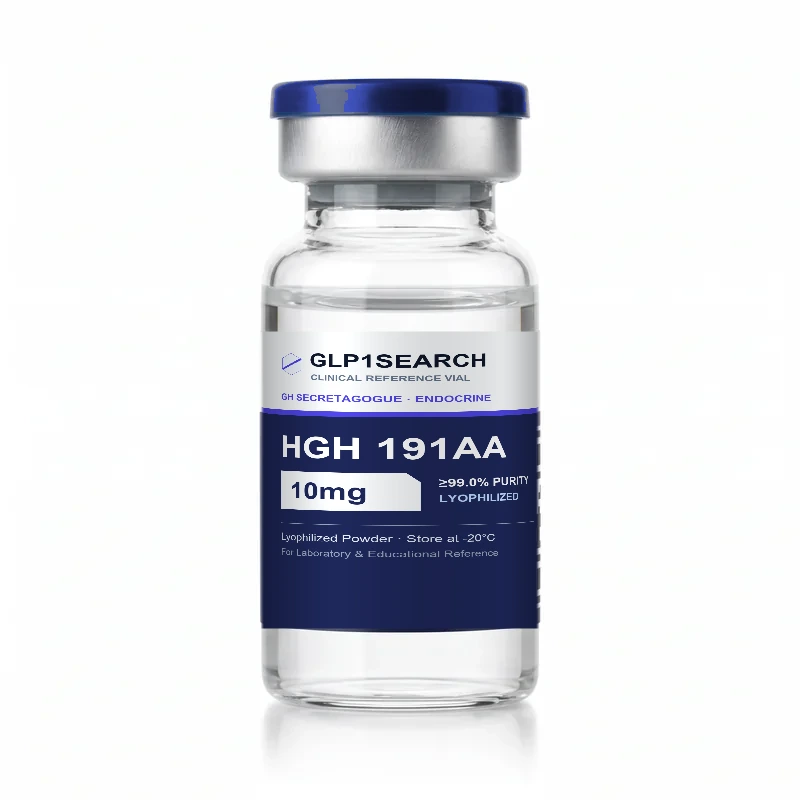
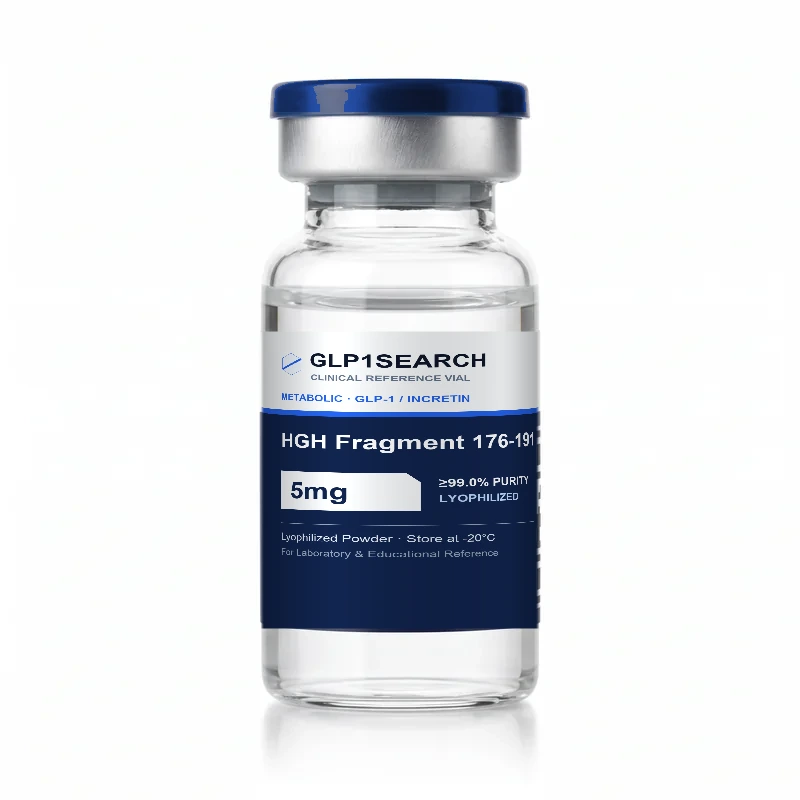
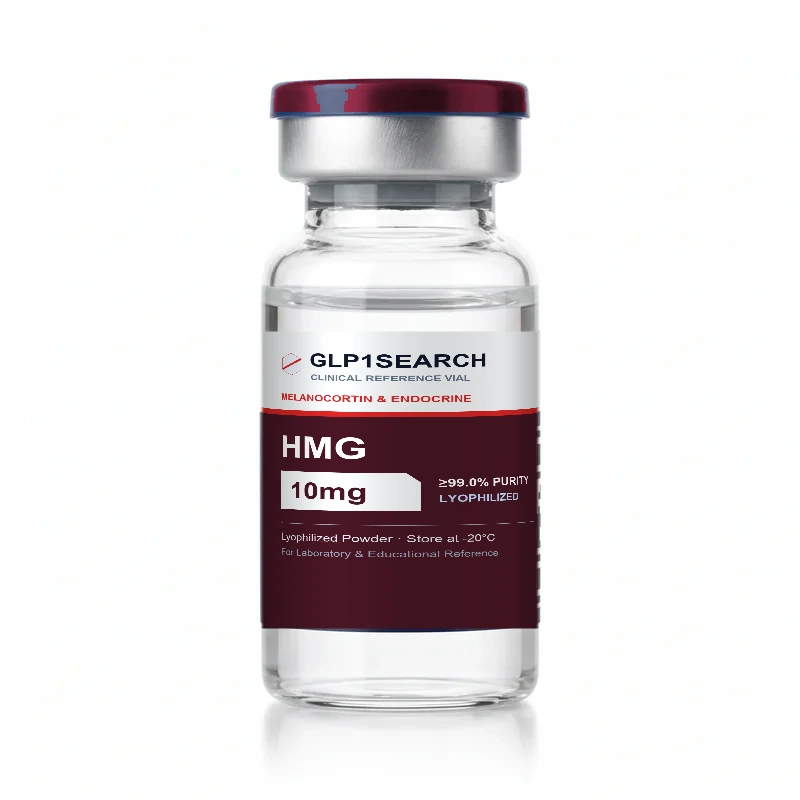
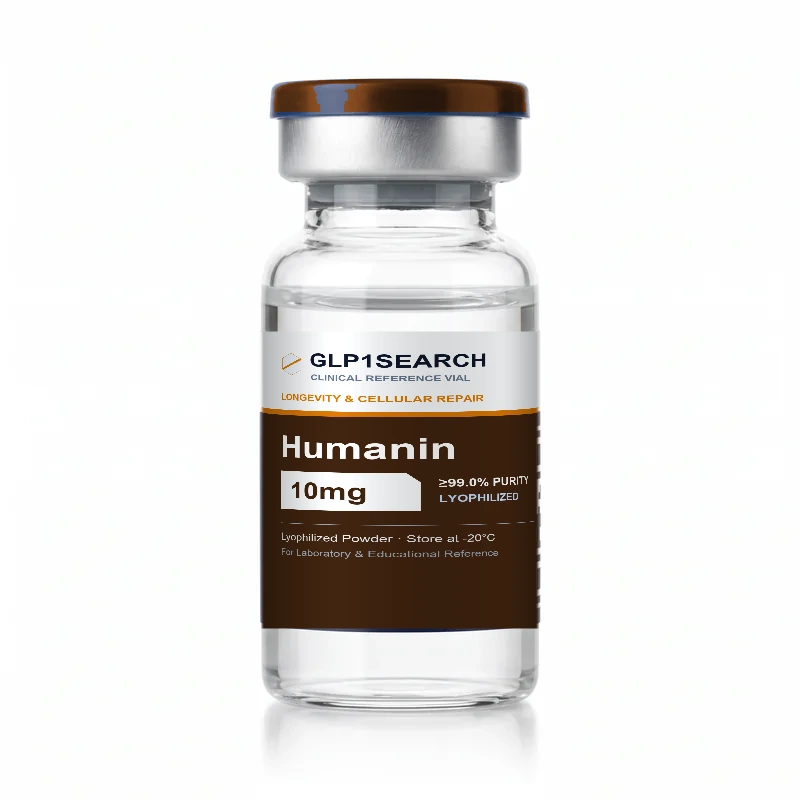
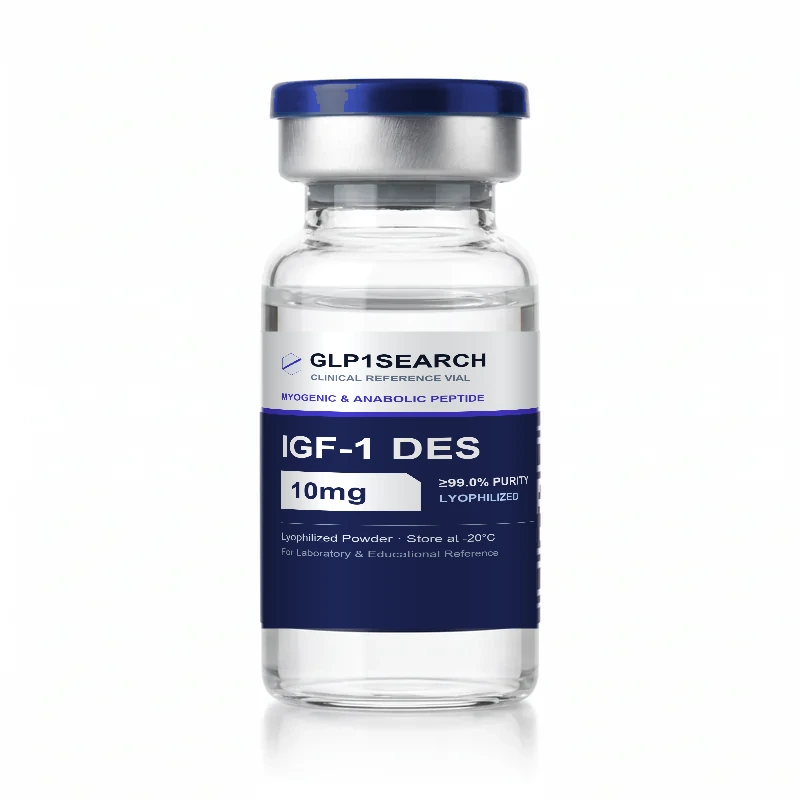
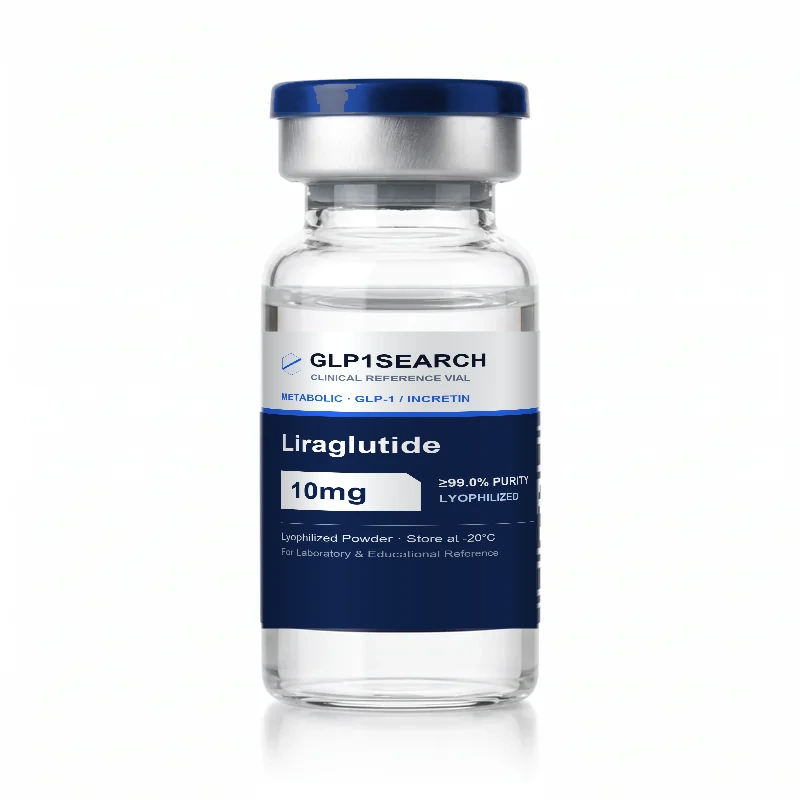
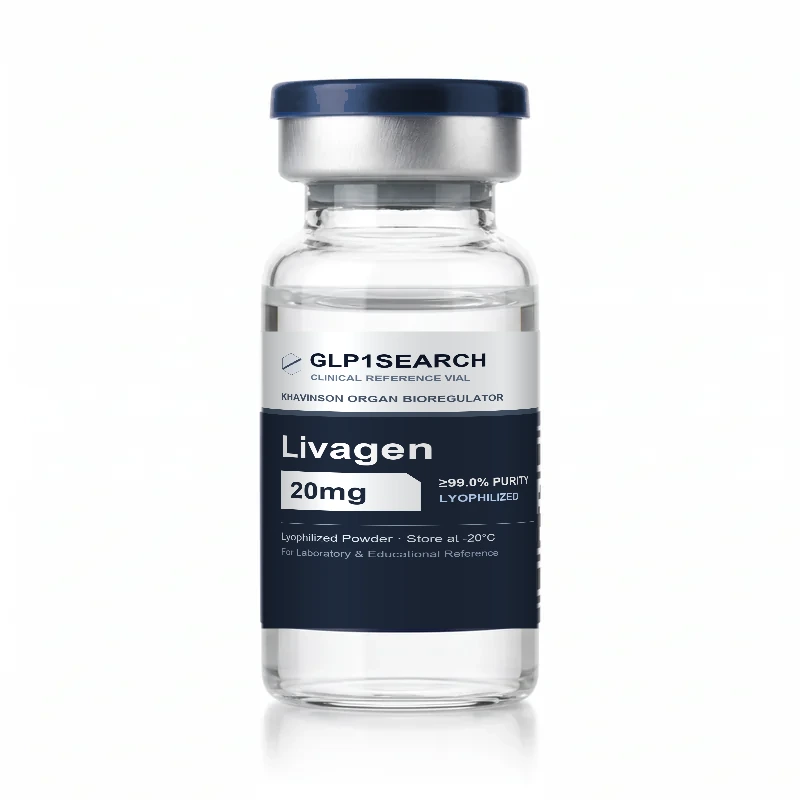
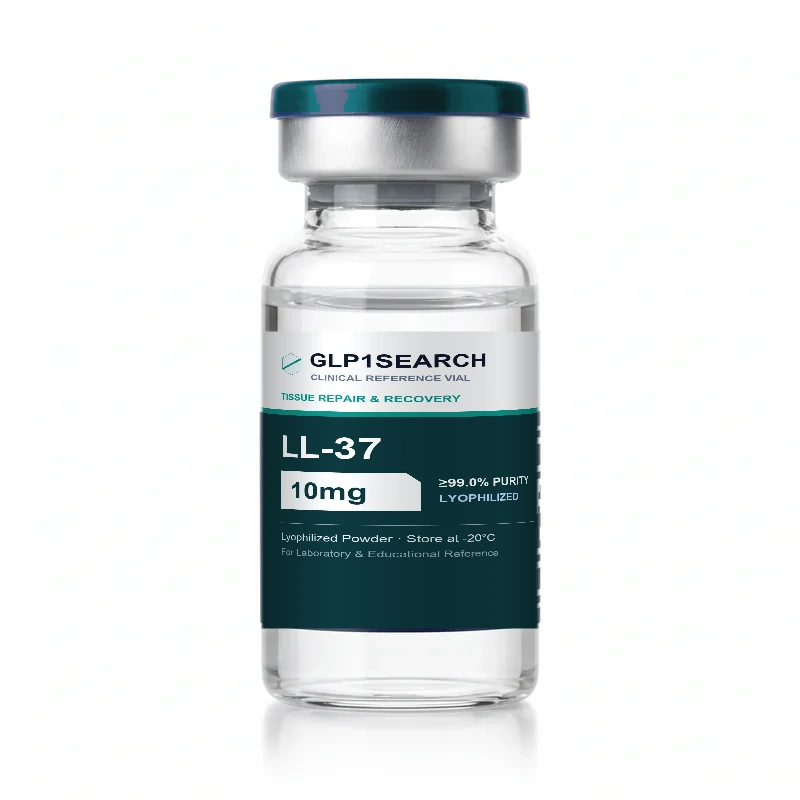
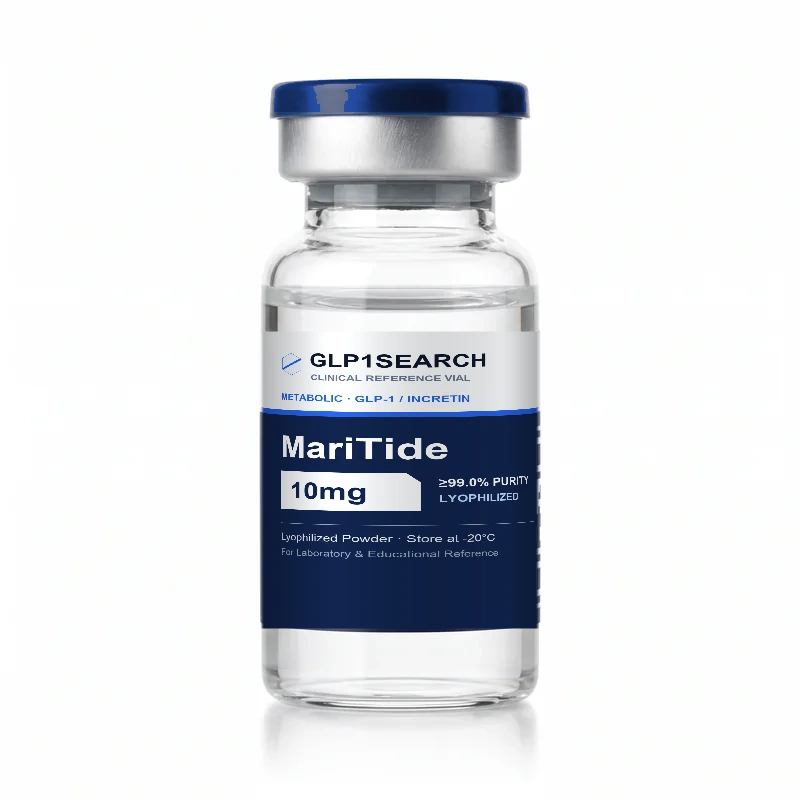
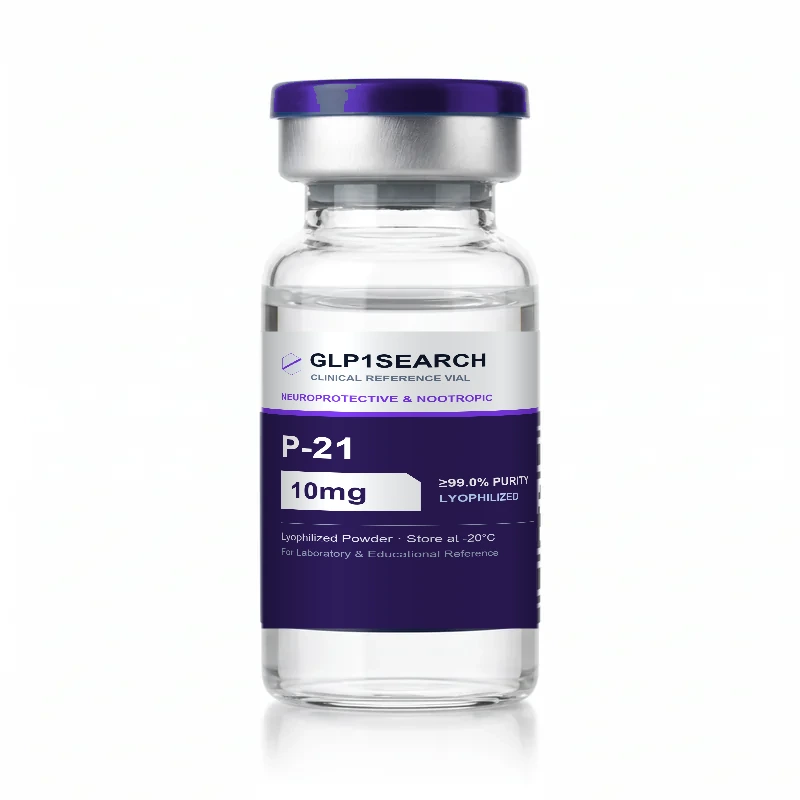
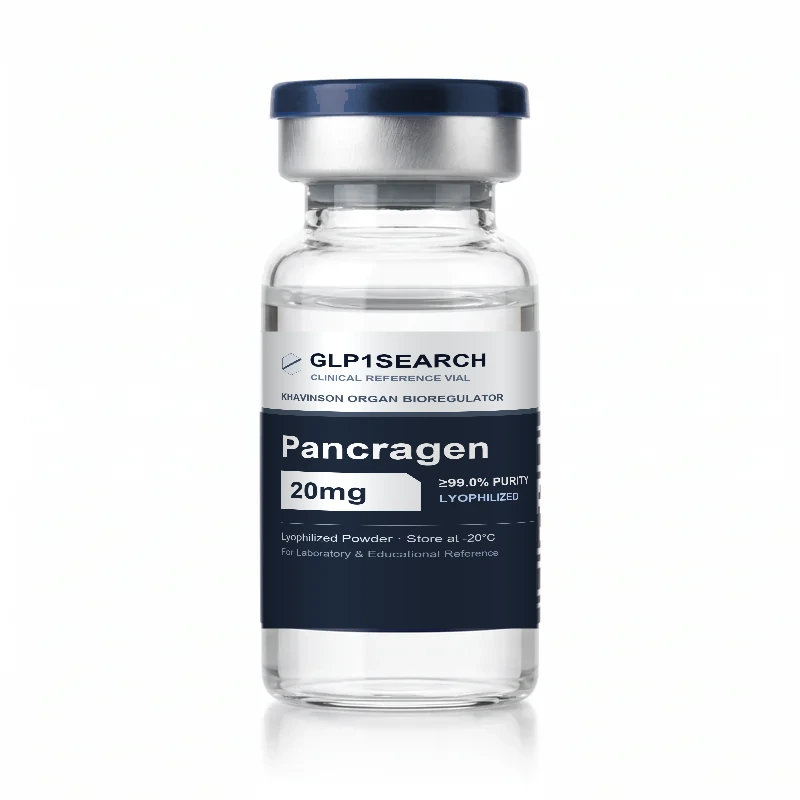
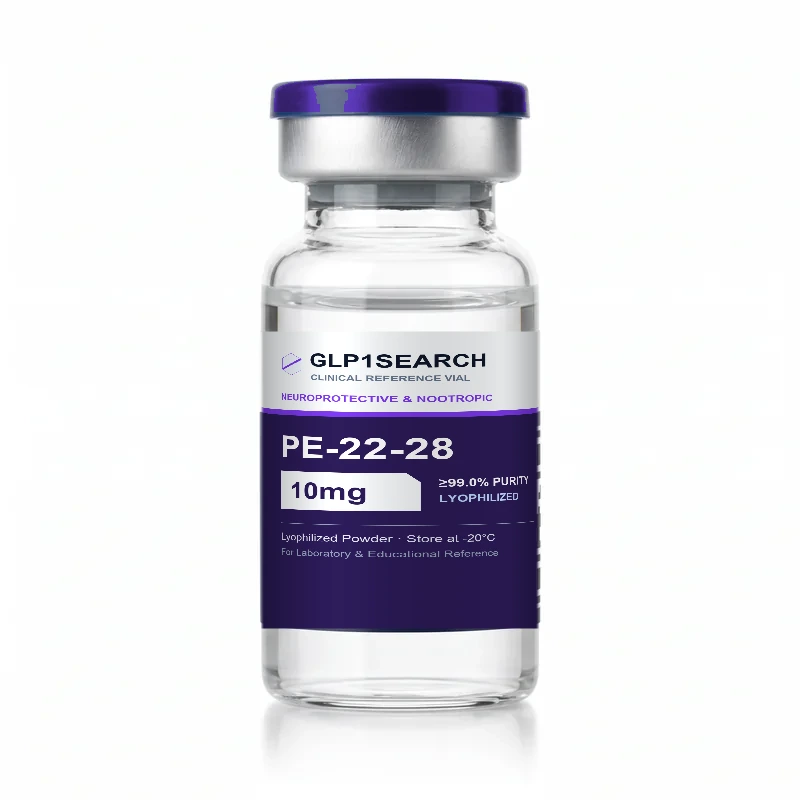
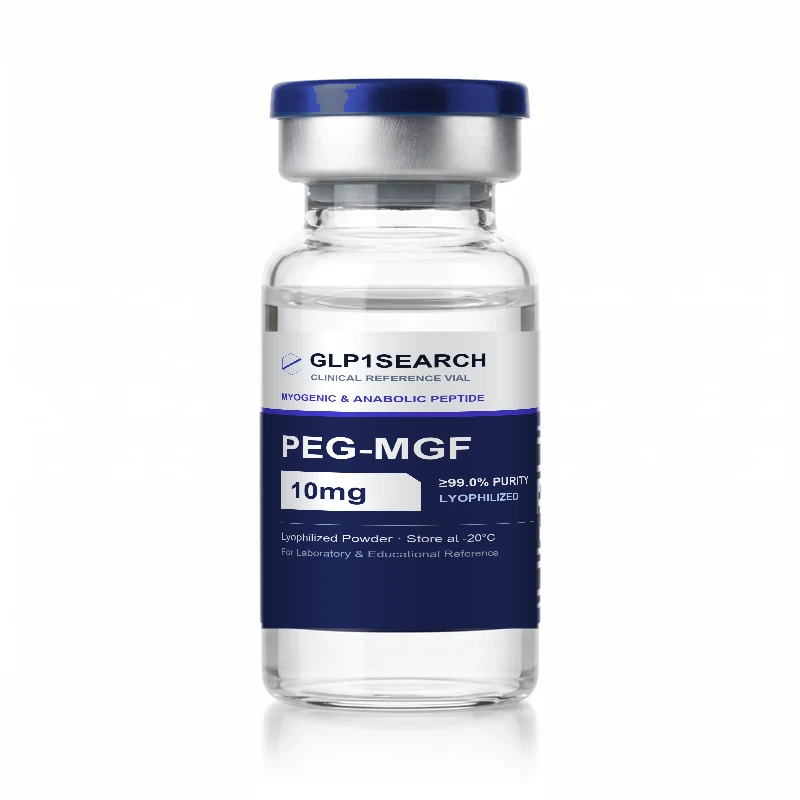
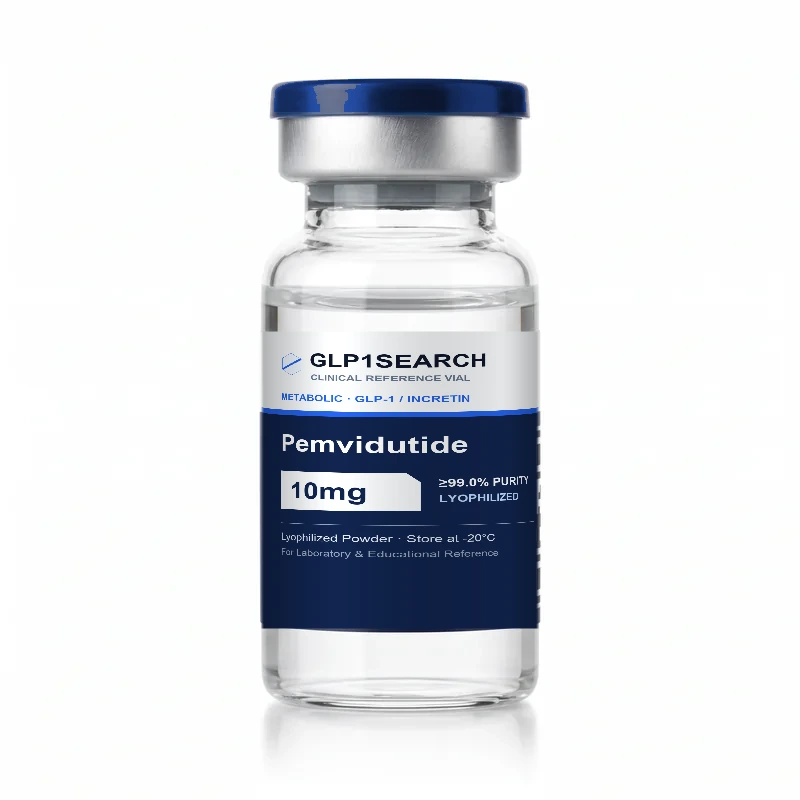
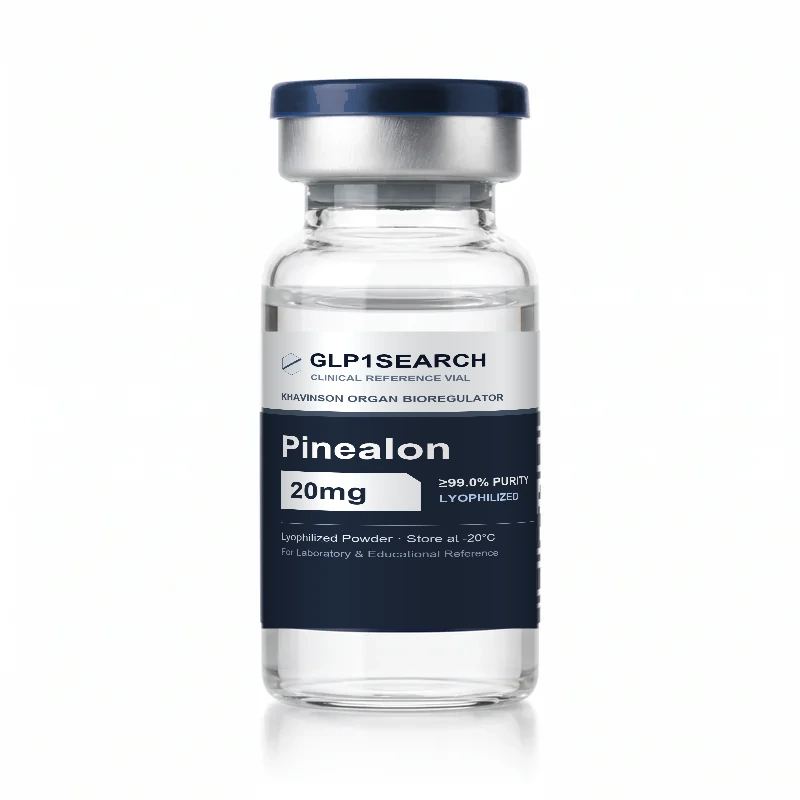
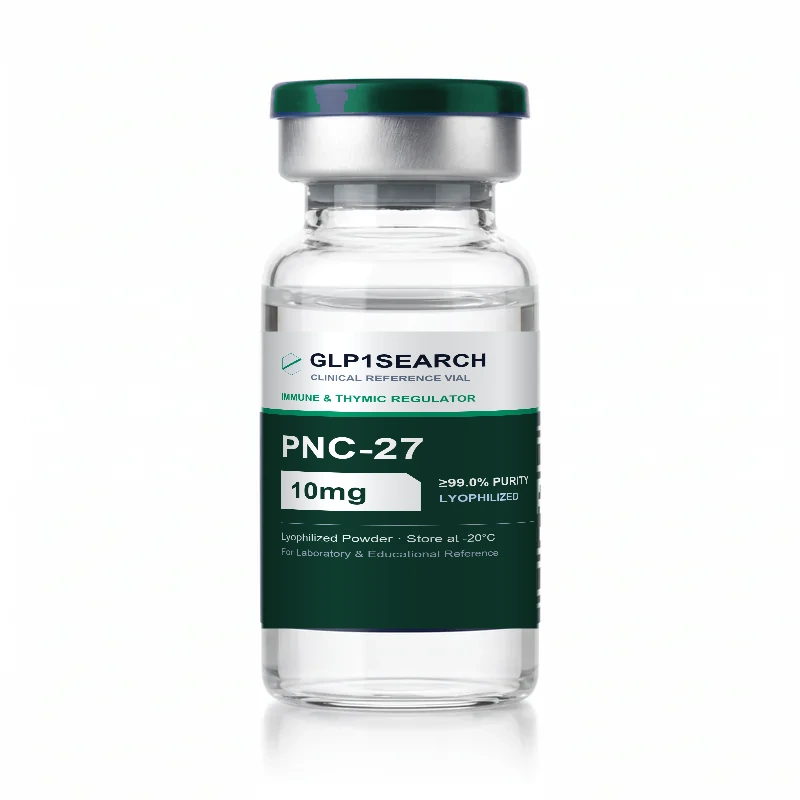
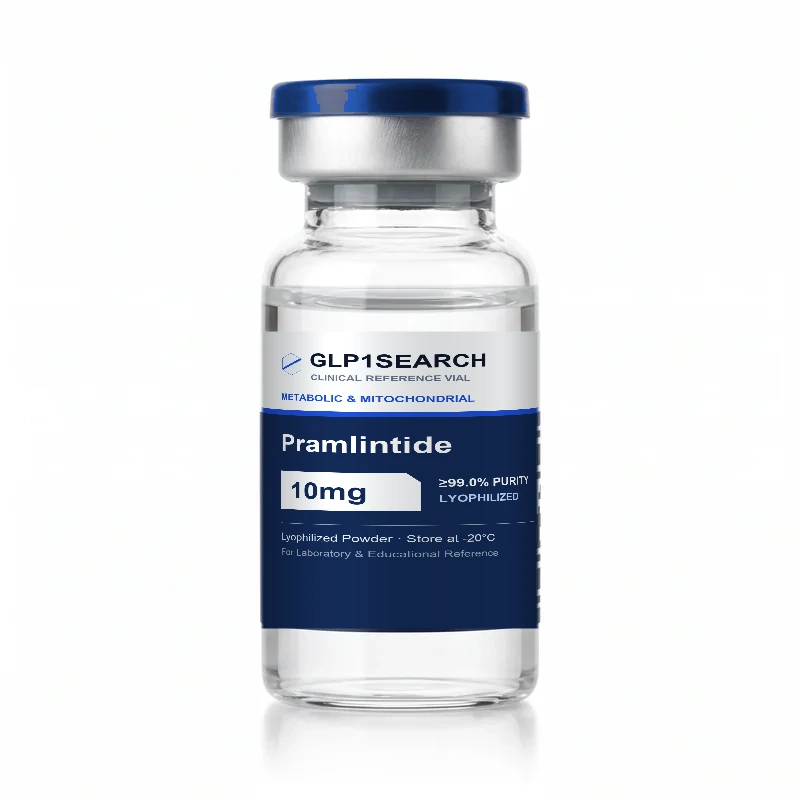
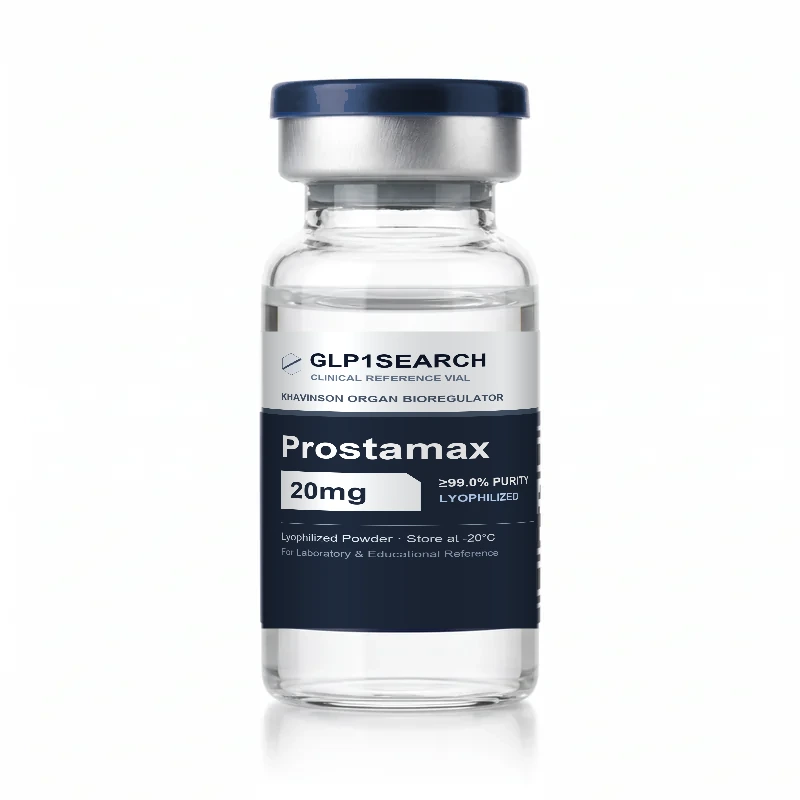
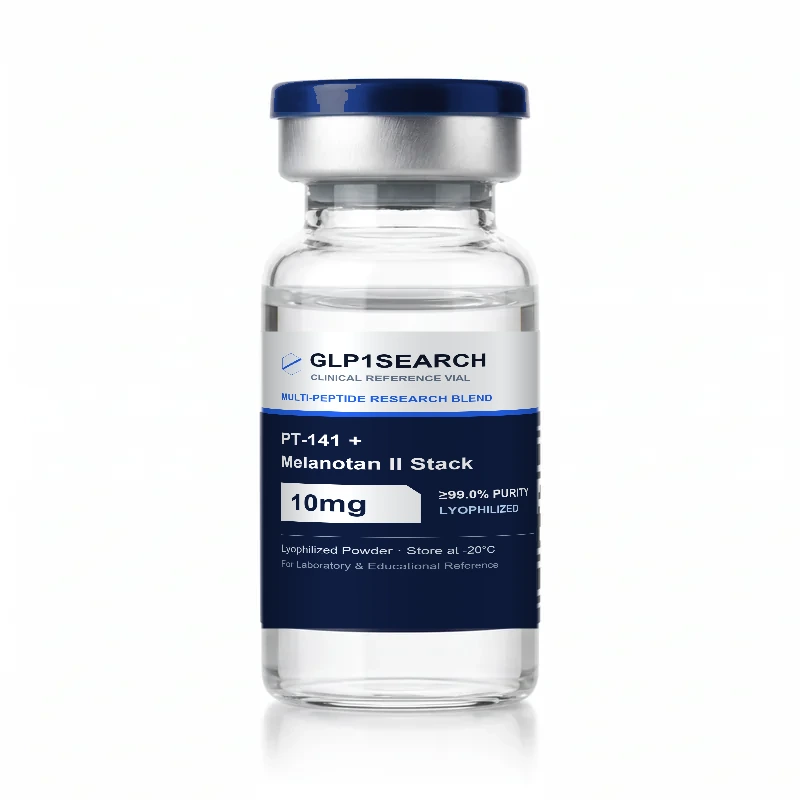
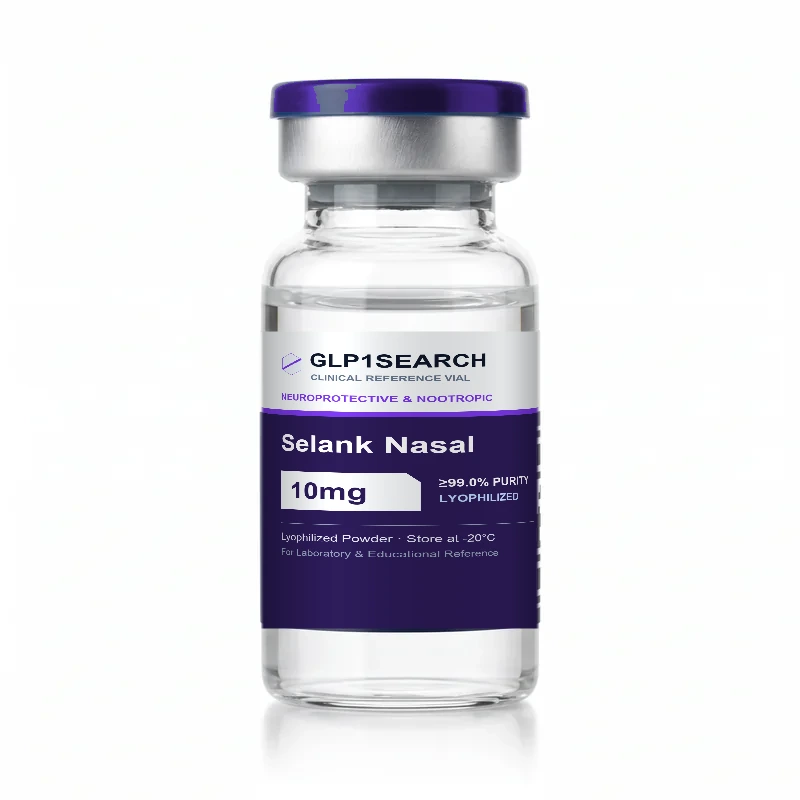
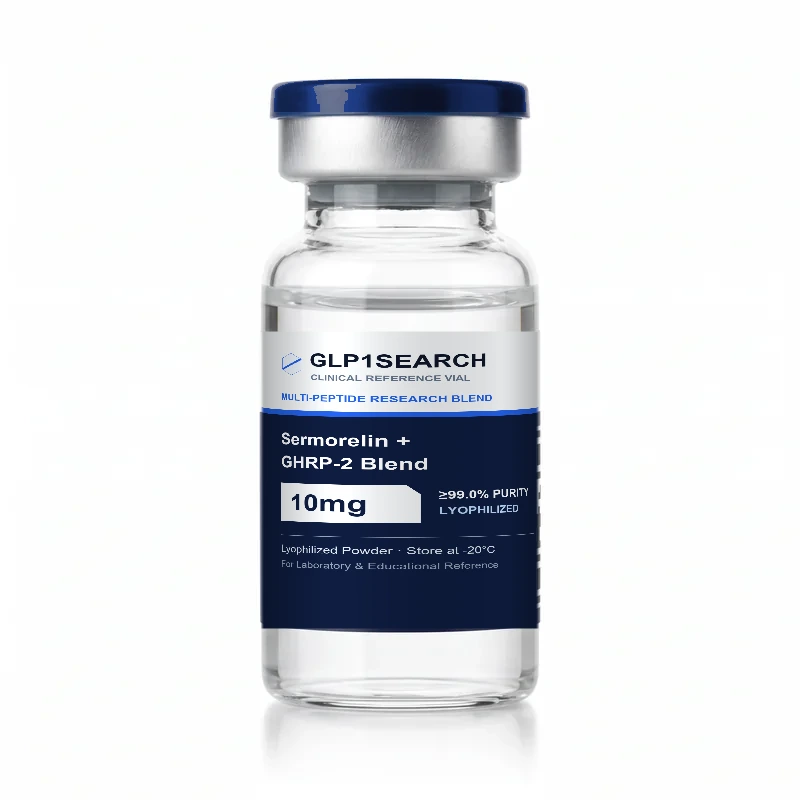
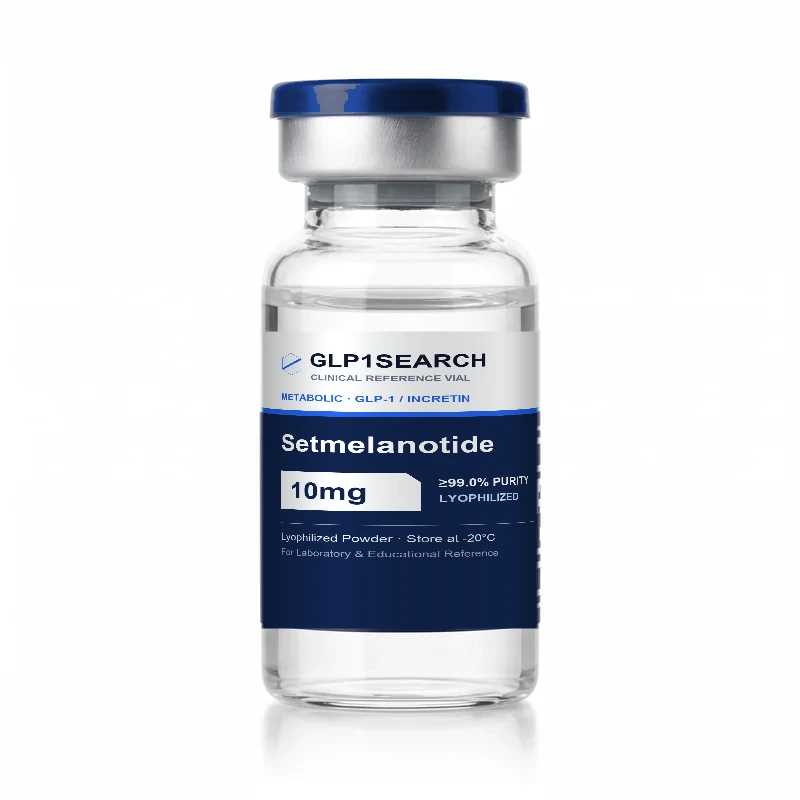
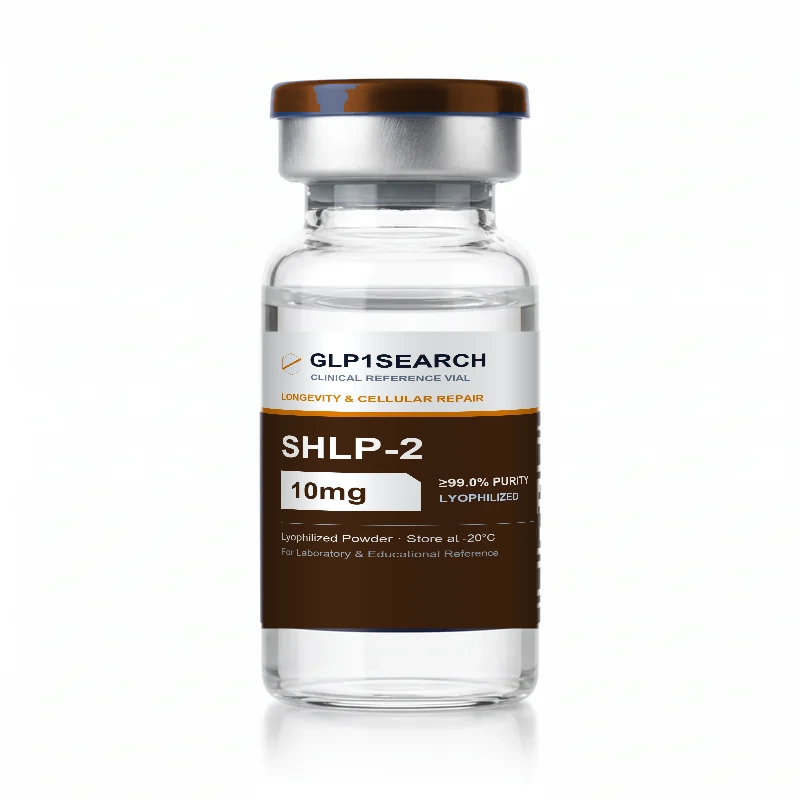
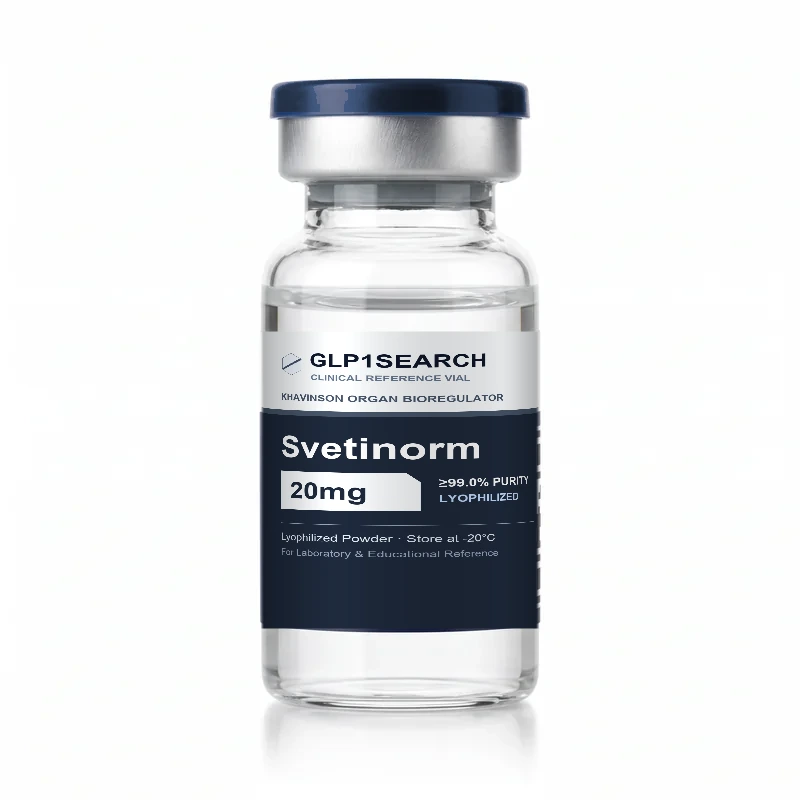
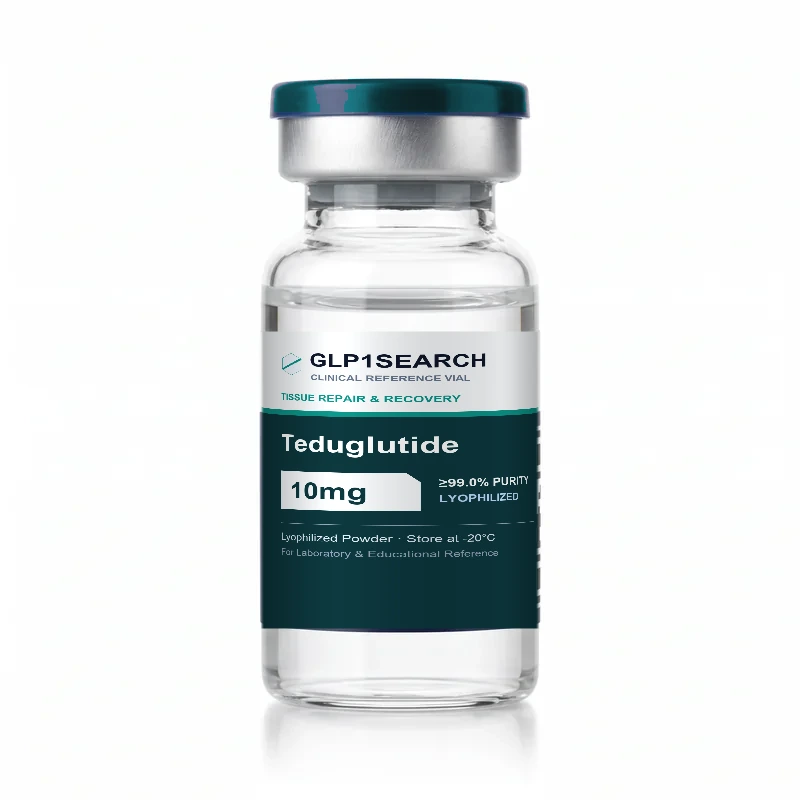
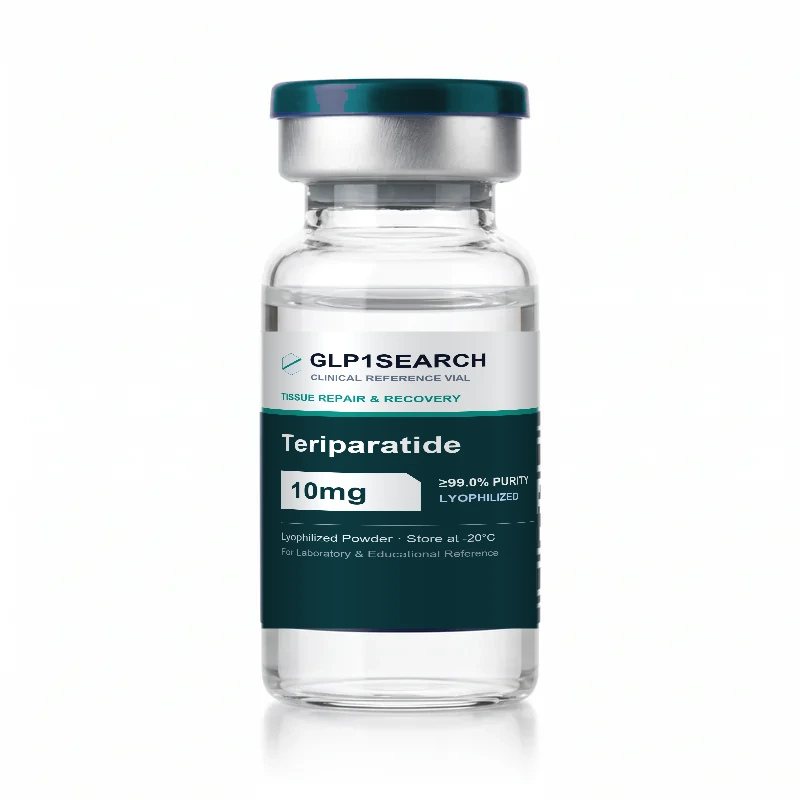
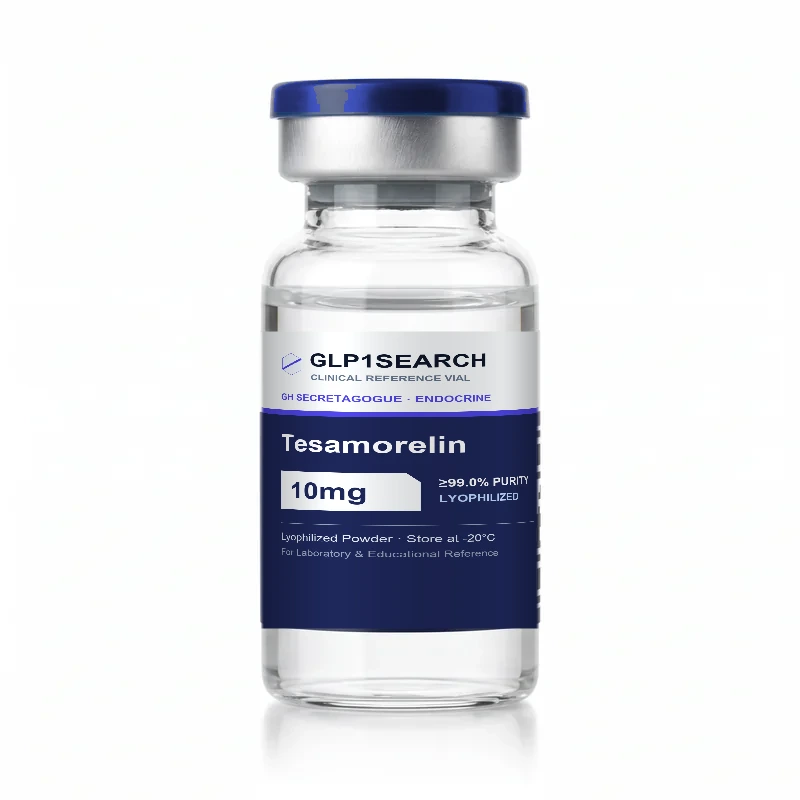
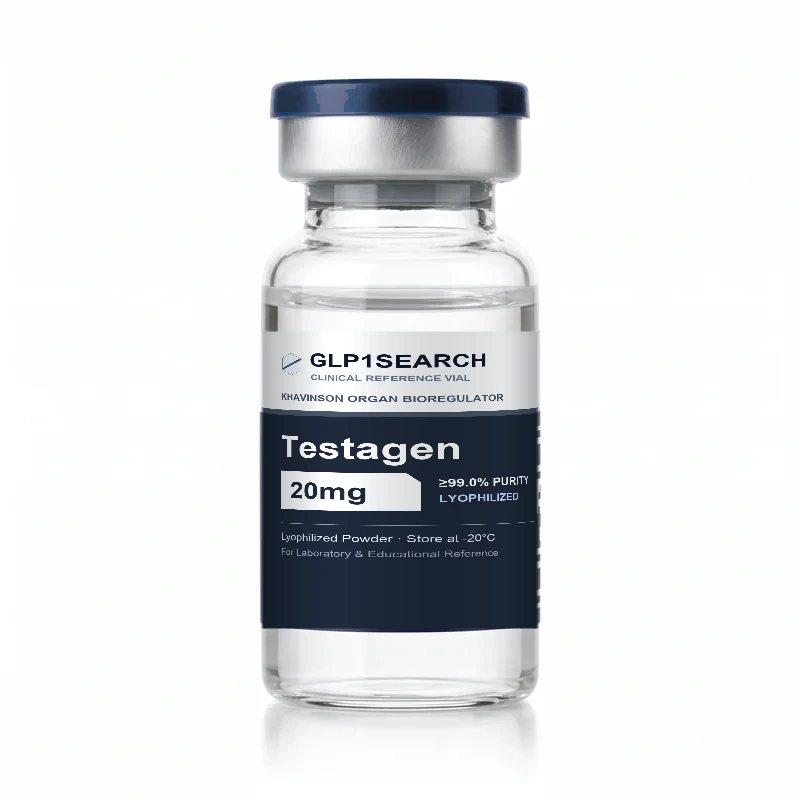
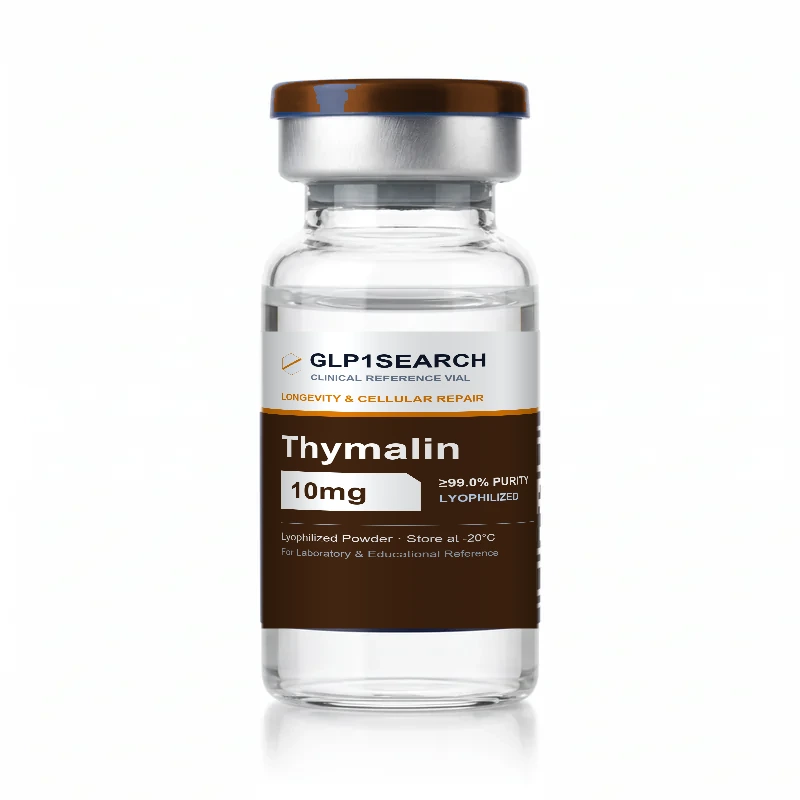
Search all 113 single peptides, blends, and Khavinson bioregulators. Click “Load in Calculator” on any row to populate its vial math above.
Common Questions
Peptide Calculator Frequently Asked Questions
What Information Do I Need to Use a Peptide Calculator?
You need three values: the total peptide mass printed on the vial (in mg), the volume of bacteriostatic water you plan to add (in mL), and the target dose from your protocol (in mcg or mg). The calculator immediately computes concentration (mg/mL), mass per syringe unit (mcg/unit), volume to draw (mL), U-100 syringe units, and full doses per vial.
How Do I Calculate Peptide Dosage in Syringe Units?
First divide the vial amount (mg) by the bacteriostatic water volume (mL) to get concentration in mg/mL. Next divide your target dose (in mg) by that concentration to get the injection volume in mL. Finally multiply the mL volume by 100 to get U-100 insulin syringe units. For example, a 250 mcg (0.25 mg) dose from a 2.5 mg/mL solution equals 0.10 mL, or 10 units on a U-100 syringe.
Does Adding More Bacteriostatic Water Change the Peptide Dose?
No. Adding more bacteriostatic water lowers the concentration (mg/mL) and increases the liquid volume (and syringe units) you draw to reach the same dose, but it does not change the total peptide in the vial or the target dose delivered.
Are U-100 Syringe Units the Same as International Units (IU)?
No. U-100 syringe units are purely volumetric markings where 100 units equal 1.0 mL (1 unit = 0.01 mL). International Units (IU) measure biological activity for specific hormones or biologics (such as HGH or HCG) and cannot be converted to milligrams without a compound-specific conversion factor.
What Is the Difference Between 30-Unit, 50-Unit, and 100-Unit U-100 Syringes?
All three use the same U-100 scale (100 units per 1.0 mL), so a 10-unit draw is always 0.10 mL on every barrel. A 30-unit (0.3 mL) or 50-unit (0.5 mL) syringe has a narrower barrel with wider physical spacing between tick marks (0.5-unit or 1-unit increments instead of 2-unit increments), reducing measurement error on small draws under 20 units.
Can Sterile Water Replace Bacteriostatic Water?
While the concentration arithmetic is identical because both are measured in mL, handling and multi-dose shelf life are different. Sterile Water for Injection contains no antimicrobial preservative and is intended for single-use vials, whereas Bacteriostatic Water for Injection USP contains 0.9% benzyl alcohol to inhibit bacterial growth across multiple needle entries.
Primary Literature & Standards
Scientific & Pharmacopeial References
- Lau, J. L., & Dunn, M. K. (2018). Therapeutic peptides: Historical perspectives, current development trends, and future directions. Bioorganic & Medicinal Chemistry, 26(10), 2700–2707. [PubMed]
- Muttenthaler, M., King, G. F., Adams, D. J., & Alewood, P. F. (2021). Trends in peptide drug discovery. Nature Reviews Drug Discovery, 20(4), 309–325. [PubMed]
- Tang, X., & Pikal, M. J. (2004). Design of freeze-drying processes for pharmaceuticals: practical advice. Pharmaceutical Research, 21(2), 191–200. [PubMed]
- Wang, W. (2000). Lyophilization and development of solid protein pharmaceuticals. International Journal of Pharmaceutics, 203(1–2), 1–60. [PubMed]
- U.S. National Library of Medicine. Bacteriostatic Water for Injection, USP (0.9% Benzyl Alcohol): Official Labeling. [DailyMed]
- Stroppel, L., et al. (2023). Antimicrobial preservatives for protein and peptide formulations: An overview. Pharmaceutics, 15(2), 563. [PubMed]
- Roy, S., et al. (2005). Effects of benzyl alcohol on aggregation of recombinant human interleukin-1-receptor antagonist in reconstituted lyophilized formulations. Journal of Pharmaceutical Sciences, 94(2), 382–396. [PubMed]
- U.S. Food and Drug Administration. Guidance on the Content of Premarket Notification [510(k)] Submissions for Piston Syringes. [FDA]
- Jordan, M. A., Choksi, D., Lombard, K., & Patton, L. R. (2021). Development of guidelines for accurate measurement of small volume parenteral products using syringes. Hospital Pharmacy, 56(3), 165–171. [PubMed]
- Gnanalingham, M. G., Newland, P., & Smith, C. P. (1998). Accuracy and reproducibility of low dose insulin administration using pen-injectors and syringes. Archives of Disease in Childhood, 79(1), 59–62. [PubMed]
- Centers for Disease Control and Prevention. Preventing Unsafe Injection Practices: Multi-Dose Vials. [CDC]
- United States Pharmacopeia. Best Practices for Reconstitution of USP Peptide Reference Standards. [USP]
Research & Educational Use Only: This reference tool performs concentration and volume arithmetic. It does not select a clinical dose, establish sterility or beyond-use stability, or replace compound-specific instructions or licensed medical advice.
Free Guide
Email Me a Printable Reconstitution Cheat Sheet
A one-page reference chart of vial sizes, bacteriostatic water volumes, and U-100 syringe units for the most searched peptides.
Free. No spam. Unsubscribe anytime. From GLP1Search.
Price alerts
Get GLP-1 price alerts
Brand self-pay prices for Zepbound and Wegovy have changed more than once in 2026. We email you when manufacturer or telehealth prices move, plus our free 2026 GLP-1 cost guide.
By signing up you agree to get GLP-1 price alert and cost guide emails from GLP1Search. No spam, and we never sell your email. Unsubscribe anytime from any email. See our privacy policy.