
How to Stop Muscle Loss on GLP-1 (Without Ruining Your Weight Loss)
Up to 40% of weight lost on GLP-1s can come from muscle. Here's the research-backed protein, training, and supplement protocol to keep the weight off and the lean mass on.
Quick path
Lean-mass preservation during GLP-1 treatment
Here’s the uncomfortable truth nobody wants to tell you: when you drop 40 pounds on semaglutide or tirzepatide, somewhere between 25% and 40% of that weight is muscle — not fat.
25–40%
Portion of weight lost that comes from lean mass without deliberate muscle-preservation protocol
Source: STEP 1 & SURMOUNT-1 body composition substudies
That’s the number straight out of the STEP and SURMOUNT trials. It’s not a fringe finding. It’s the baseline expectation if you do what most people do on a GLP-1: eat less, move less (because you’re tired), and ignore protein targets.
So let’s fix that. Here’s exactly what the data says works — and what we actually see working across the 19,000+ GLP-1 providers we track.
Why GLP-1s eat your muscle (if you let them)
GLP-1 medications don’t specifically burn muscle. They cause rapid, significant weight loss. And rapid weight loss of any kind — keto, bariatric surgery, crash dieting, GLP-1 — pulls lean mass along with fat.
The mechanism is simple: your body needs protein for everything from immune function to hormone production. When your calorie intake drops hard (because a GLP-1 just killed your appetite), your body starts breaking down whatever’s easiest to metabolize. Muscle is easier than stored fat. So muscle goes first unless you actively protect it.
Three things protect it. Miss any of them and the scale lies to you.
The three-pillar protocol
Protein target: 1.2–1.6 g per kg per day
Non-negotiable. For a 180 lb person, that's 100–130 grams daily.
Resistance training: 3× per week
Compound lifts in a 6–12 rep range. Cardio does not preserve muscle.
Targeted supplementation
Creatine, protein, electrolytes, multivitamin — or a GLP-1-specific stack.
1. Hit your protein target — every single day
The magic number: 1.2 to 1.6 grams of protein per kilogram of body weight per day. That’s the range every major sports medicine and obesity research body lands on for weight loss with muscle preservation.
For a 180-pound (82 kg) person, that’s 100–130 grams of protein daily.
Here’s what that actually looks like:

- 6 oz chicken breast: 42g
- 2 eggs + 4 oz Greek yogurt: 30g
- 1 scoop whey protein: 25g
- 1 can tuna: 25g
- Total: 122g
If you’re thinking “that’s a lot of food for someone who isn’t hungry” — you’re right. This is the hardest part of GLP-1 treatment that nobody warned you about. You’re not hungry, and you need to eat 122g of protein anyway.
The workaround: smaller, more frequent high-protein meals. And yes, a protein supplement becomes essentially mandatory, not optional.
2. Lift heavy things, three times a week
Cardio doesn’t preserve muscle. Walking doesn’t preserve muscle. Resistance training preserves muscle.
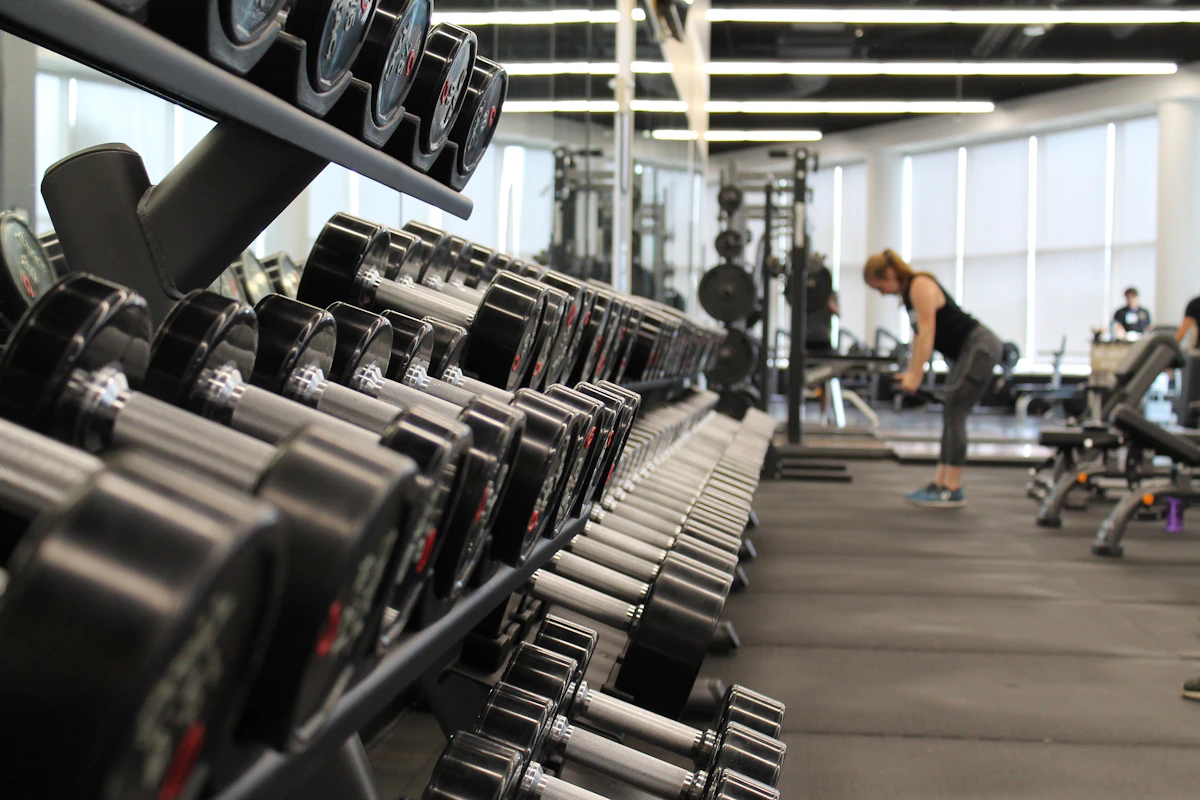
Specifically: compound lifts — squat, deadlift, overhead press, row, pull-up — through a moderate 6–12 rep range, three sessions per week. That’s the protocol the research keeps landing on, and it’s what we see working in the patients reporting the best outcomes.
What actually preserves muscle vs. what people think does
What works
- ▸3× weekly resistance training with compound lifts
- ▸Progressive overload (adding weight over time)
- ▸6–12 rep range at 70–85% 1RM
- ▸Eating protein BEFORE lifting or within an hour after
What doesn't
- ▸Daily walks (good for you, doesn't build muscle)
- ▸Low-weight high-rep 'toning' workouts
- ▸Cardio-only programs like running or cycling
- ▸Yoga and pilates alone (helpful, not sufficient)
You don’t need a fancy program. You need to do the hard movements, add weight over time, and show up three times a week even when your energy is low (and on a GLP-1, it will be low).
3. Supplement what your diet can’t cover
You can’t eat your way to optimal on a GLP-1. Your appetite won’t let you. This is where targeted supplementation goes from “optional” to “not optional if you care about the scale not lying to you.”
The evidence-backed stack for GLP-1 patients:
- Creatine monohydrate (5g/day) — the most-researched supplement for muscle preservation and strength. Cheap, safe, works.
- Whey or plant protein — the only realistic way to hit 1.2+ g/kg when you’re not hungry.
- Electrolytes — dehydration is common early on. Sodium, potassium, magnesium.
- A high-quality multivitamin — to cover micronutrient gaps when you’re eating less.
- Omega-3 (EPA/DHA) — inflammation, recovery, general metabolic health.
What the scale won’t tell you
Here’s what happens if you skip the protocol above: you lose 50 pounds, you look smaller, your clothes fit, and six months after you stop the GLP-1 you regain 35 pounds — half of which is fat, because you no longer have the muscle that was burning the calories.
~2/3
Of weight lost is regained within 1 year of stopping GLP-1 without muscle-preservation and lifestyle support
Source: STEP 4 & SURMOUNT-4 trials
This is the pattern we see over and over. Weight regain after discontinuation is predictable. The patients who regain the least are the ones who built lean mass during the weight-loss phase.
You’re not just trying to lose weight. You’re trying to rebuild a body that can maintain the loss.
The compressed version
If you read one thing, read this:
Do those three things and you will be in the minority of GLP-1 patients who finish treatment stronger than they started.
Skip any of them and the scale will look great, but the body composition scan won’t.
Finding a provider who actually supports this
Most GLP-1 telehealth providers hand you a prescription and a follow-up reminder. A growing subset now build muscle-preservation directly into their programs — dietitian support, resistance training coaching, quarterly body composition scans.
If you’re working with a provider who doesn’t offer any of the above, that’s fine — just build the protocol yourself. And if you want the supplement side handled by the same team that publishes this site, SeraVia Muscle+ is formulated exactly for this use case.
Tags
Ready to find your GLP-1 provider?
Compare pricing, medications, and clinical standards across 19,000+ verified clinics — independent, non-paid data.